

Senegal, Trackchasing Country #93.
Ever been to Lawrence, Kansas?
Let’s say, by way of example, that you wanted to travel to Lawrence, Kansas. You had never been to Lawrence, and you didn’t know anyone who lived there to ask for advice.
Yes, you could use several social media sources to get some more information about Lawrence, Kansas. I use social media to the nth degree as well.
However, when I am traveling to a faraway place, and to some people, Lawrence, Kansas, IS a distant place, I want to have somebody on the ground who can answer my questions about the trip. Believe it or not, sometimes I have hundreds of questions, as my trip to Angola proved that.
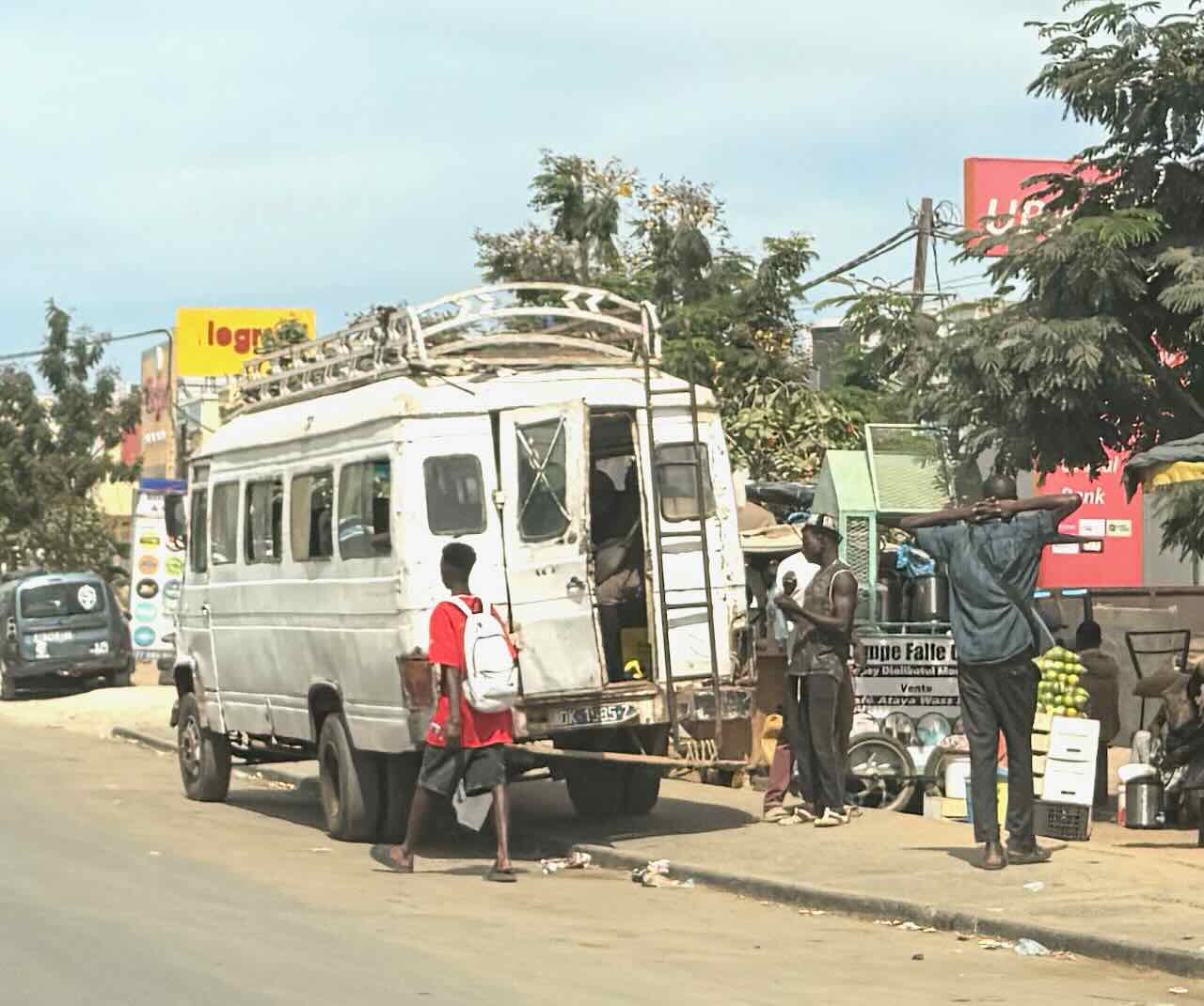
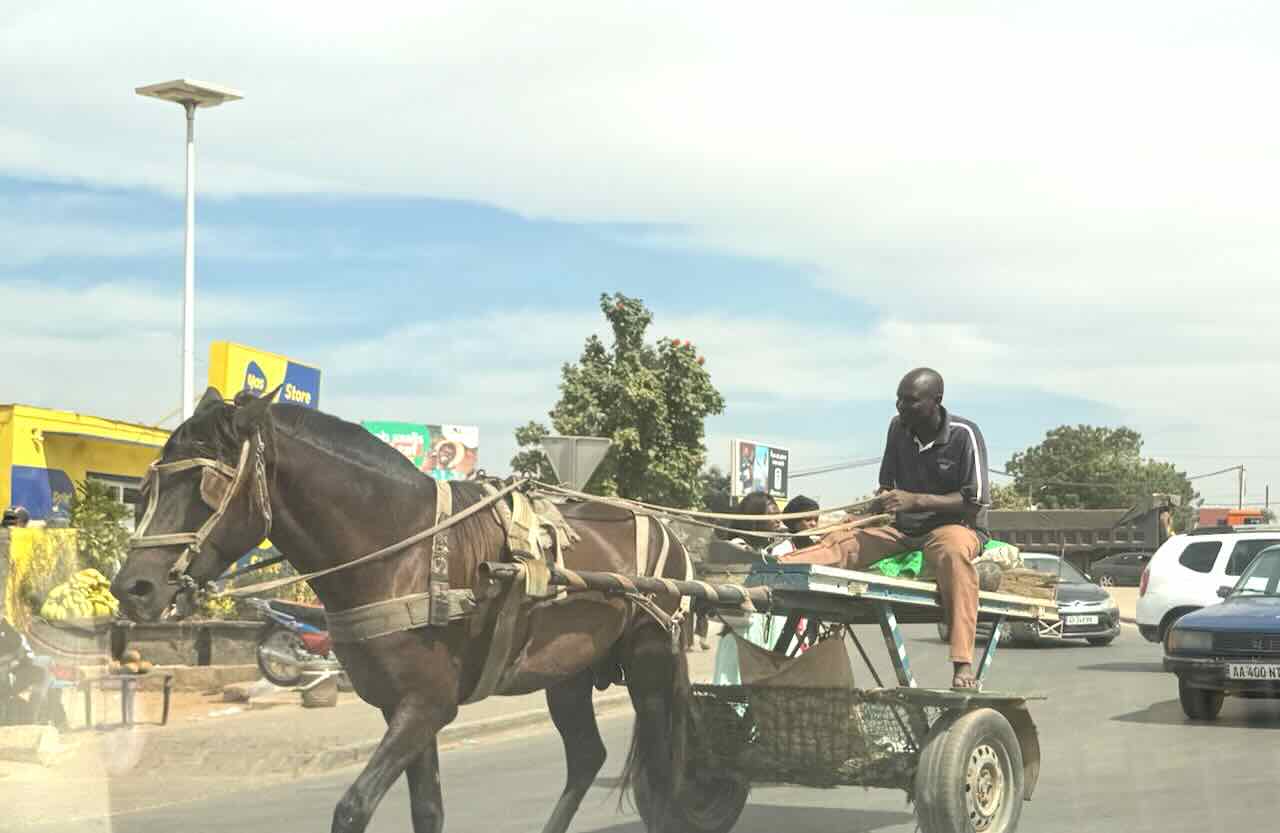
Not Lawrence, Kansas, but Sindia, Senegal!
For this trip, I was headed to Sindia, Senegal. Senegal is one of the lower-income African countries and, for the most part, would be considered third-world.
Not my first rodeo in Senegal.
I’ve been to Senegal once before, in 2008. I traveled with my son, J.J., and one of his flying buddies, Will Smith, on our way to South Africa to see a race. Reports on how to navigate to Dakar, Senegal’s largest city, warned travelers to be on their guard.
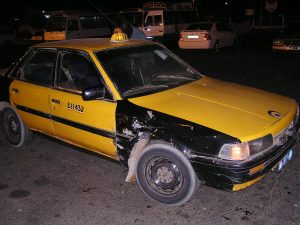
This memory will last a lifetime.
I remember landing on that trip at about 6 in the morning. It was still dark. We grabbed a taxi that looked like it had pulled directly from the junkyard, with the headliner drooping down. As we made our way to the hotel in the early dawn, we could see fires burning along the hillside, providing warmth to the residents of the ramshackle slum-like dwellings in Senegal.
When we arrived at our hotel, we found the night manager sleeping on a cot in the “lobby,” which must have been maybe eight feet square. He showed us to our rooms. We got a little bit of shut-eye. Then we were up and ready to take a long tour to the Island of Gorée. Gorée Island was the final point in Africa from which slaves were shipped off from Senegal across the Atlantic Ocean to wherever they would end up. It was a solemn sight.
This was all new news to me.
A year ago, I didn’t even know they had auto racing in Senegal. As a matter of fact, I have trackchased in Israel, Mozambique, and Angola this year. Twelve months ago, I didn’t know any of those countries had any auto racing either.
93, baby!
Senegal would be the 93rd country where I have trackchased. Right now, I don’t know of any other countries that have races I could attend. I’m not concerned. If the four countries I just mentioned popped up on my radar within the last year, I’m sure one or two more will come to the forefront to give me something to do in 2026.
Headed to Senegal? Not headed to Senegal!
About nine months ago, I was all set to go to Senegal to see a race. On short notice, they canceled the race weekend due to a lack of entries. I was disappointed, but not daunted.
Some people plan their vacations very far in advance. I don’t roll that way. If I get a call on Wednesday afternoon that there’s going to be a race in Senegal on Sunday, I’ll be there. It doesn’t matter if it’s Senegal or Saint Paul or St. Louis. I can be there literally on a moment’s notice.
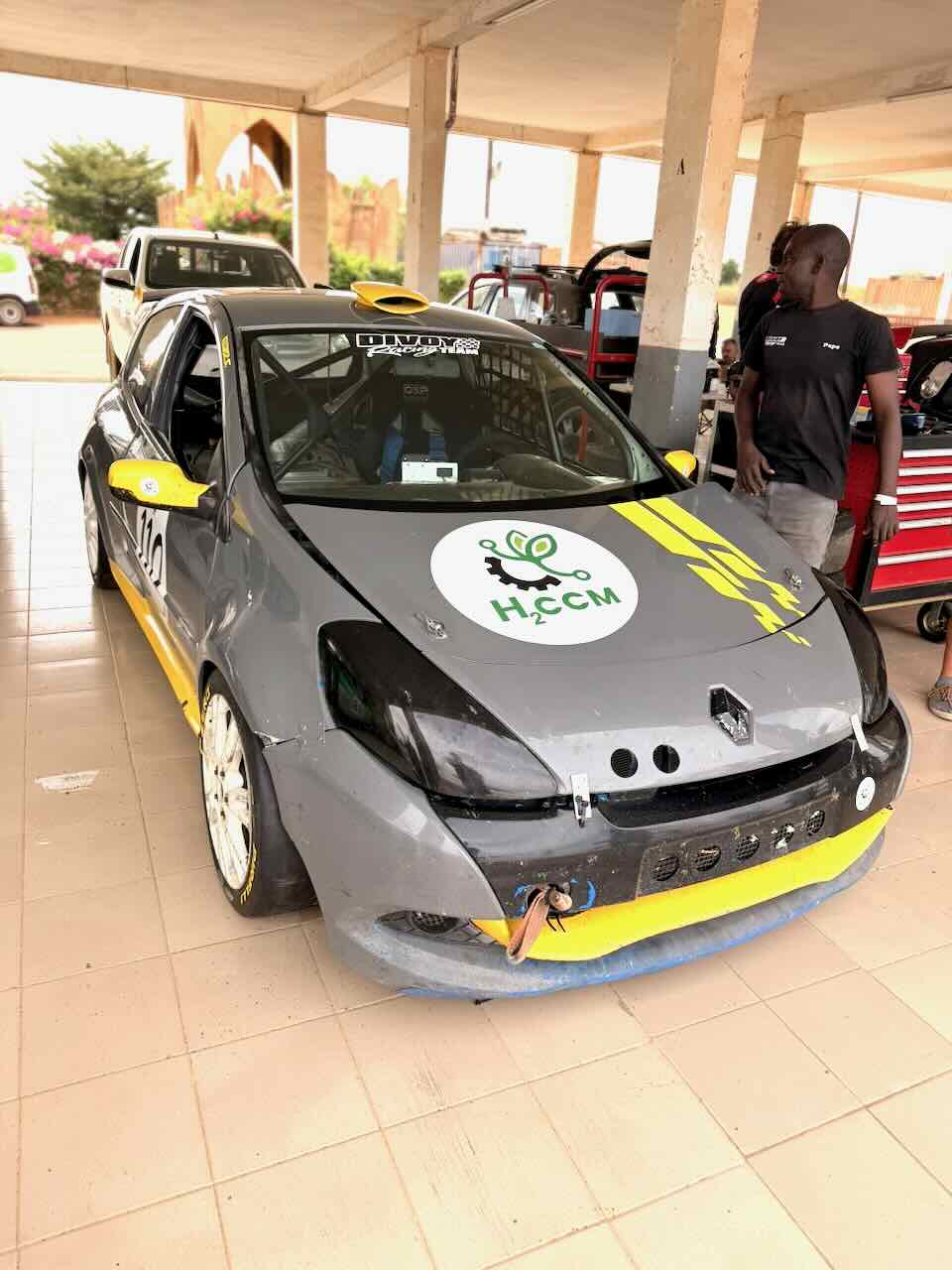
I had help getting to Senegal.
I had two people/groups helping me with when the next race in Senegal would be. Somebody from the Divoy Racing team answered my questions on Facebook Messenger about the race dates. I never got their name. Thanks to them for that.
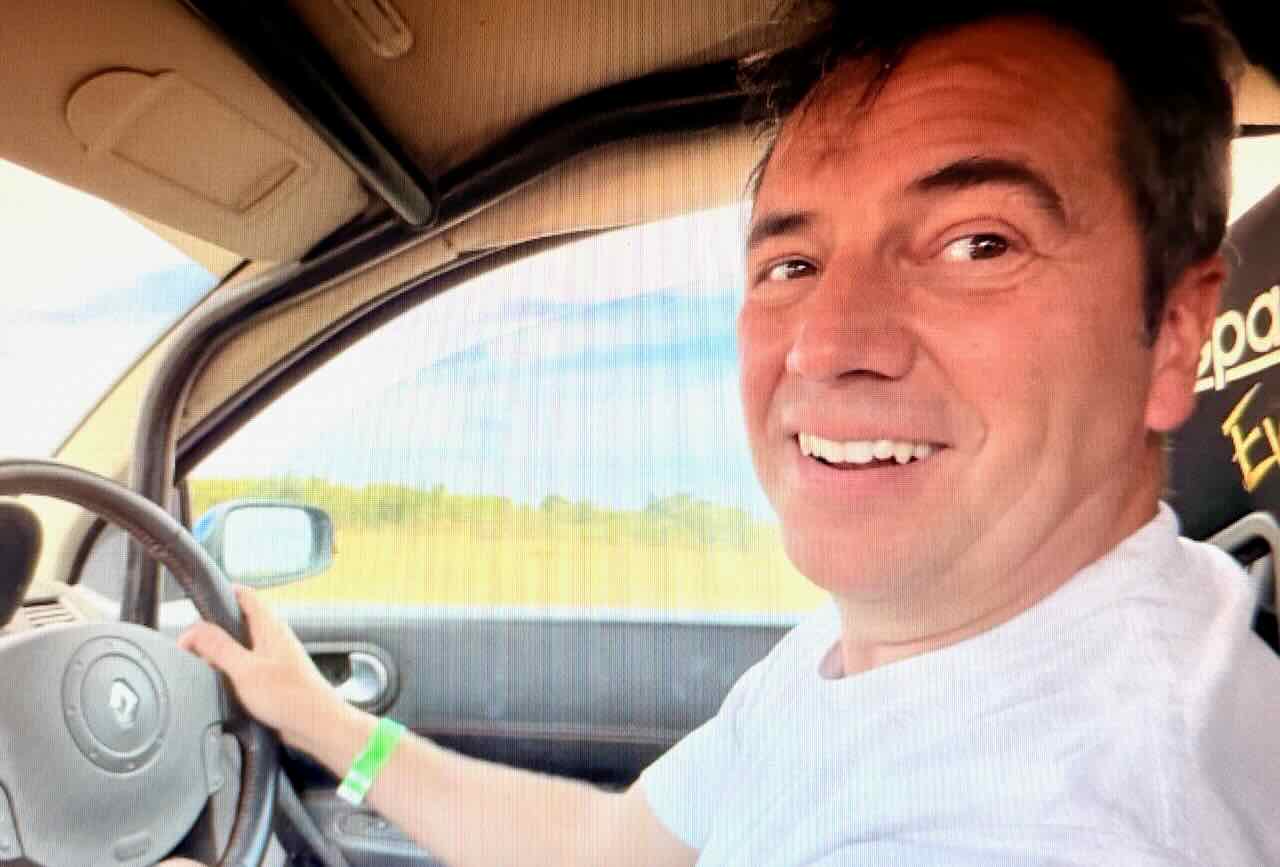
My primary contact was Jean Andre Collard. He lives in Belgium. Can you imagine relying on someone from Belgium for the race dates in Senegal? We talked “on the phone,” actually using WhatsApp. You know you can talk to people on the phone for free anywhere in the world with WhatsApp, right?
They started racing here in 2008.
It turned out that Jean Andre and his father-in-law actually designed and built the track in Senegal. They started racing at the Circuit de Dakar Baobabs road course in 2008. I’m a little disappointed in myself that they’ve been racing there for 17 years, and I didn’t know about it. How many other countries could have the same situation?
Sometimes bad news is actually good news.
It was good that the track in Senegal canceled that race nine months ago. Why would I say that? That cancellation meant I could see a race in Angola last weekend and another in Senegal this weekend! This one trip to Africa, which lasted two weeks, allowed me to knock off two countries in my search to see a race in as many different locations as I can.

So far, my trip has taken me from Los Angeles to Doha, Qatar, to Kinshasa, Republic of the Congo (airplane stop only), then to Luanda, Angola, to Addis Ababa, Ethiopia, to Bamako, Mali (airplane stop only), to Dakar, Senegal. Those flights covered 17,779 miles. By the way, in 2025, I will have flown 270,847 miles on all my trips.
On this day, I left Addis Ababa, Ethiopia, for Dakar (at least near Dakar), Senegal. Jean Andre gave me lots of good guidance on the best airport to use, how to hire a driver, and where to stay. If I had not followed his direction, my trip would have been much more inconvenient.
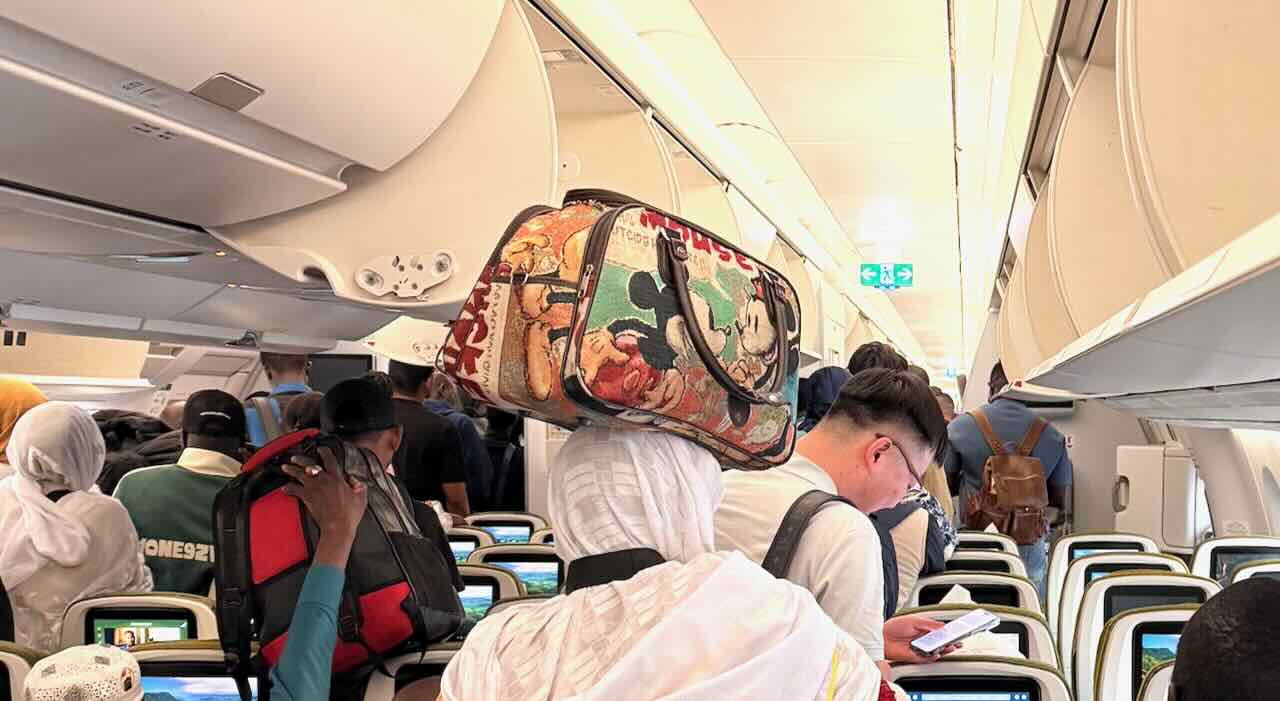
Never saw such a thing in Buffalo or Baltimore.
When I travel to different cultures, I’m going to see things that I find unusual. In Africa, lots of people carry things on their heads. I prefer to roll my bag, but they grew up in a different culture. It was unusual to see someone putting their carry-on bag on top of their head as they exited the airplane!
I am a patient traveler. I am laidback. I know there will be bumps and slowdowns on the road. I don’t have a single problem with that unless I have to be somewhere exactly on time. Most of the time on this trip, that was not the case.
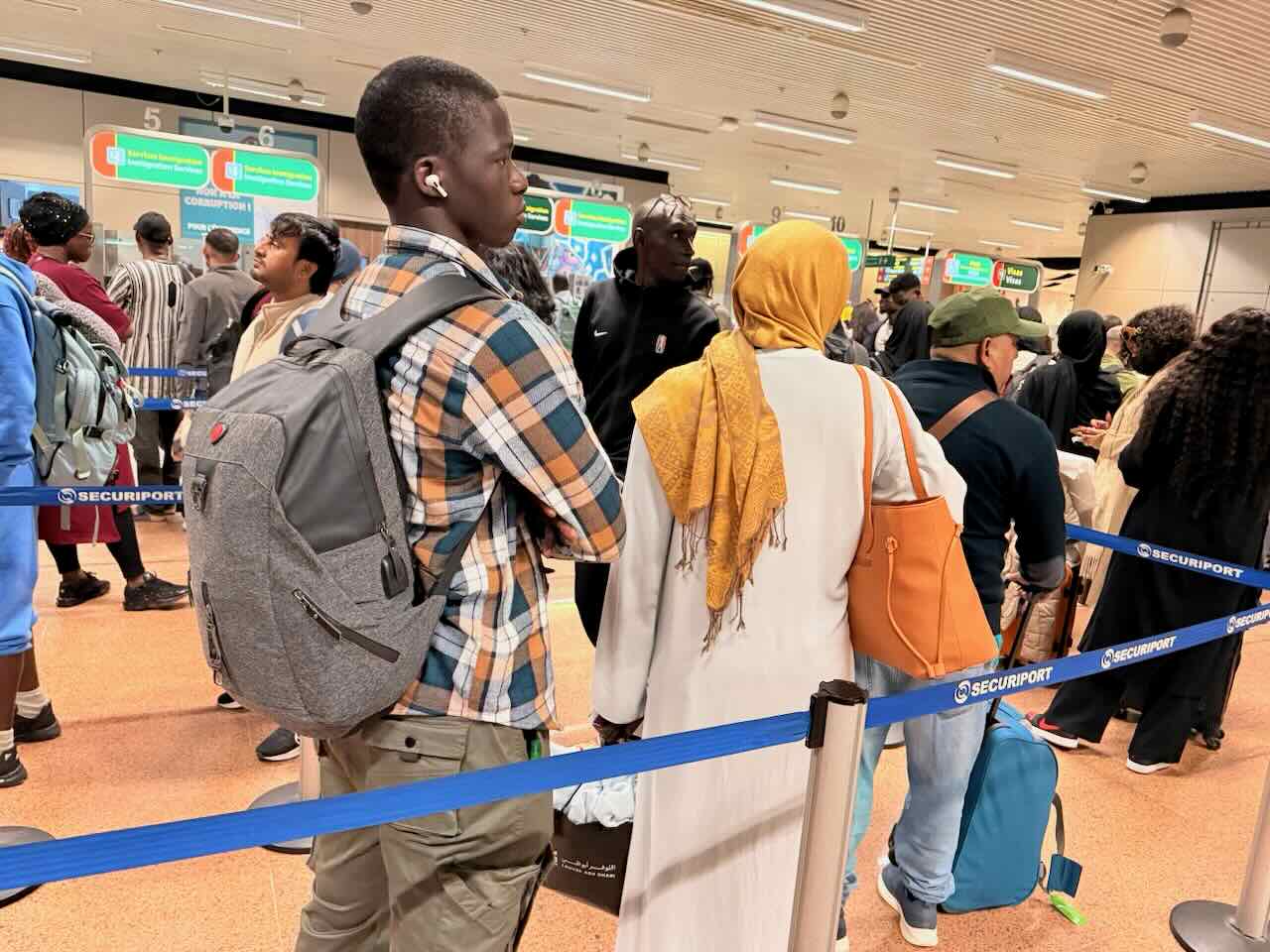
No visa needed for Senegal.
I didn’t need a visa to visit Senegal for up to 90 days. When I landed, I waited in line until it was my turn and got that important Senegal passport stamp. I love collecting passport stamps. A few years ago, I had to send my passport in two different times in one year to get 24 pages added each time.
I absolutely hate not having my passport with me. Why? As I mentioned, a trip can come up on almost no notice, and I will need that passport.
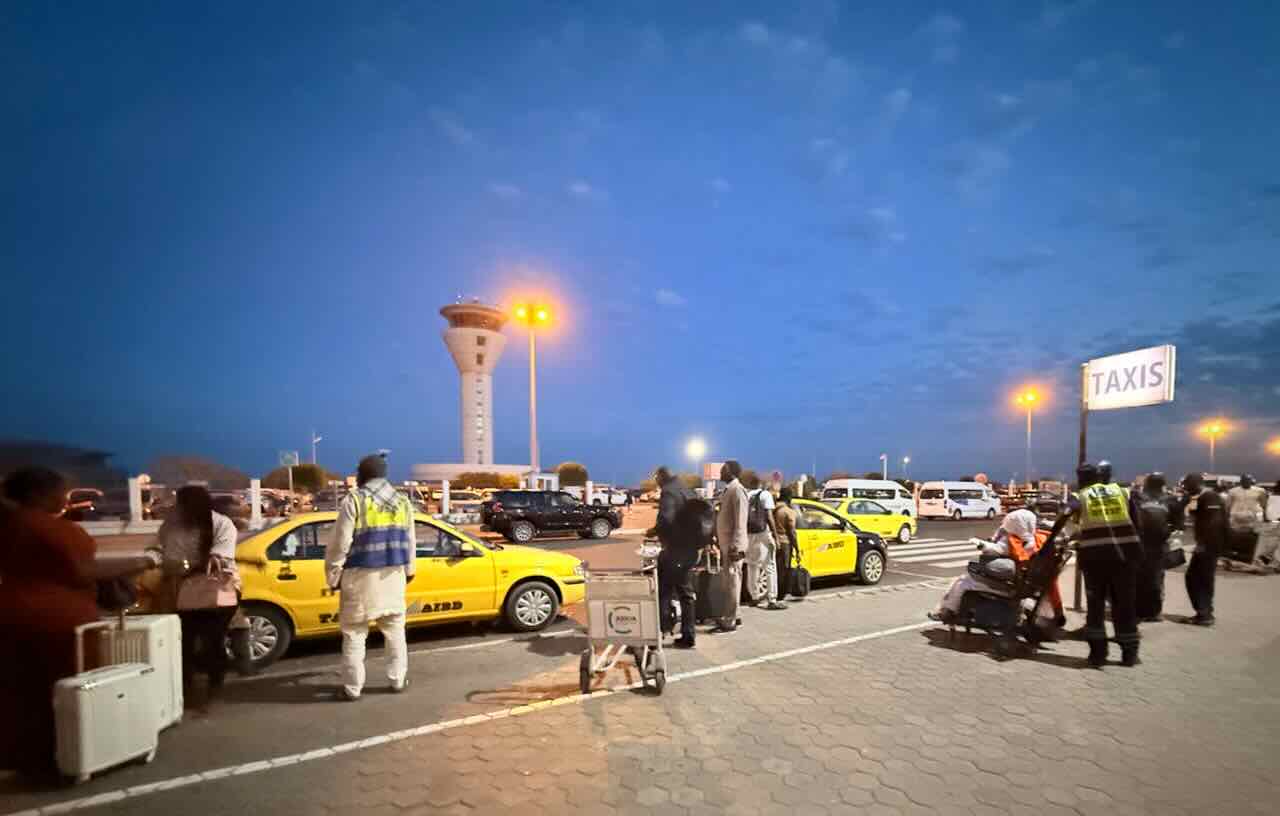
Did I need a taxi?
On this night, I stepped out of the airport at about 7 p.m. A large number of taxi drivers immediately besieged me. I didn’t need a taxi driver. I had hired my own driver for the next three days at €250. I thought that was a little high, but I didn’t really have a choice. Jean Andre had given me a heads-up on arranging my driver.
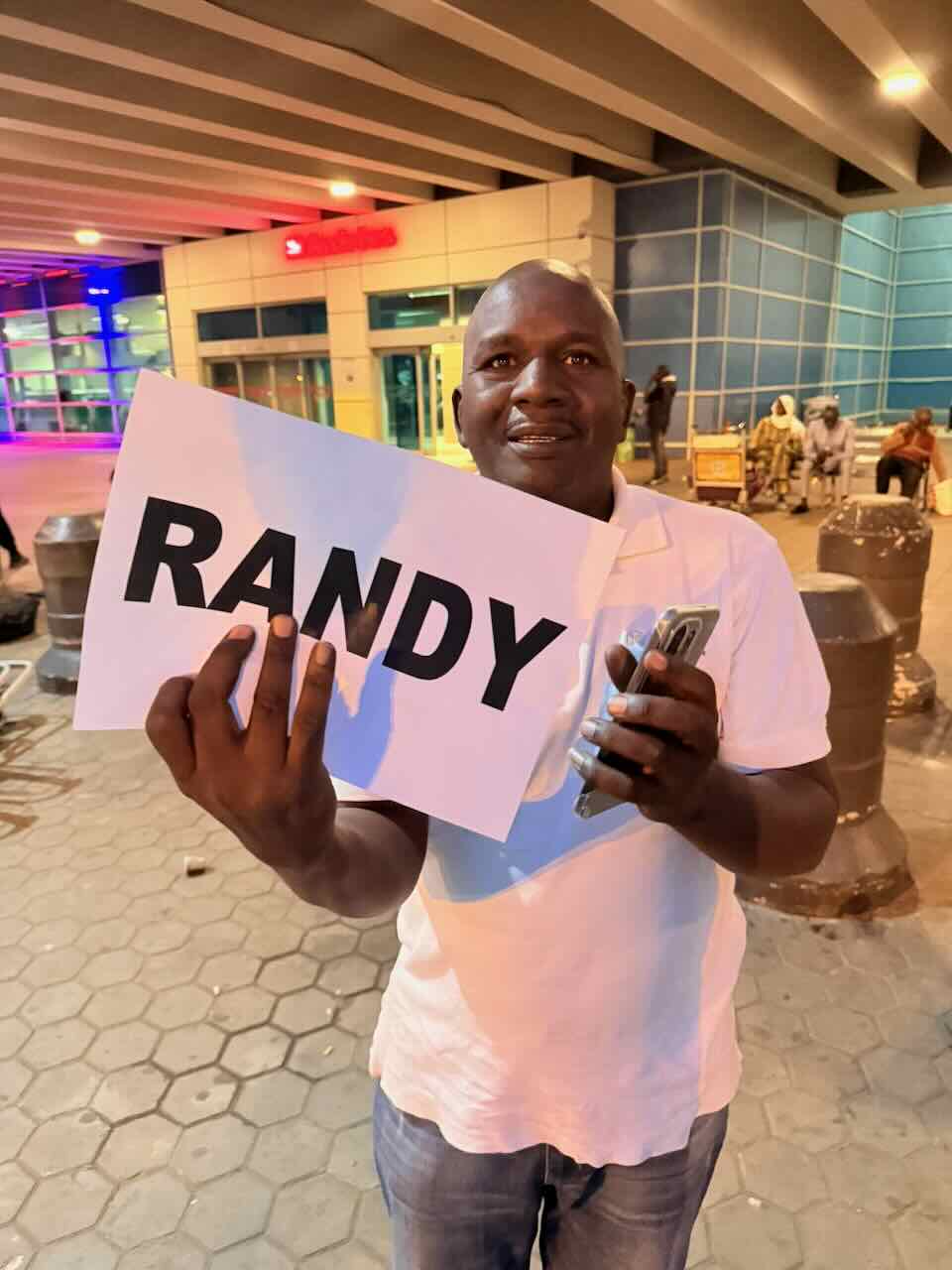
Francis…with his “Randy” sign.
Soon, my driver, Francis, showed up with a huge sign reading “Randy.” He saved me from the other taxi drivers.
Francis would take me to my hotel, which Jean Andre had again recommended. Just a reminder. It’s so important to have contact with a local who has experience to help guide me.
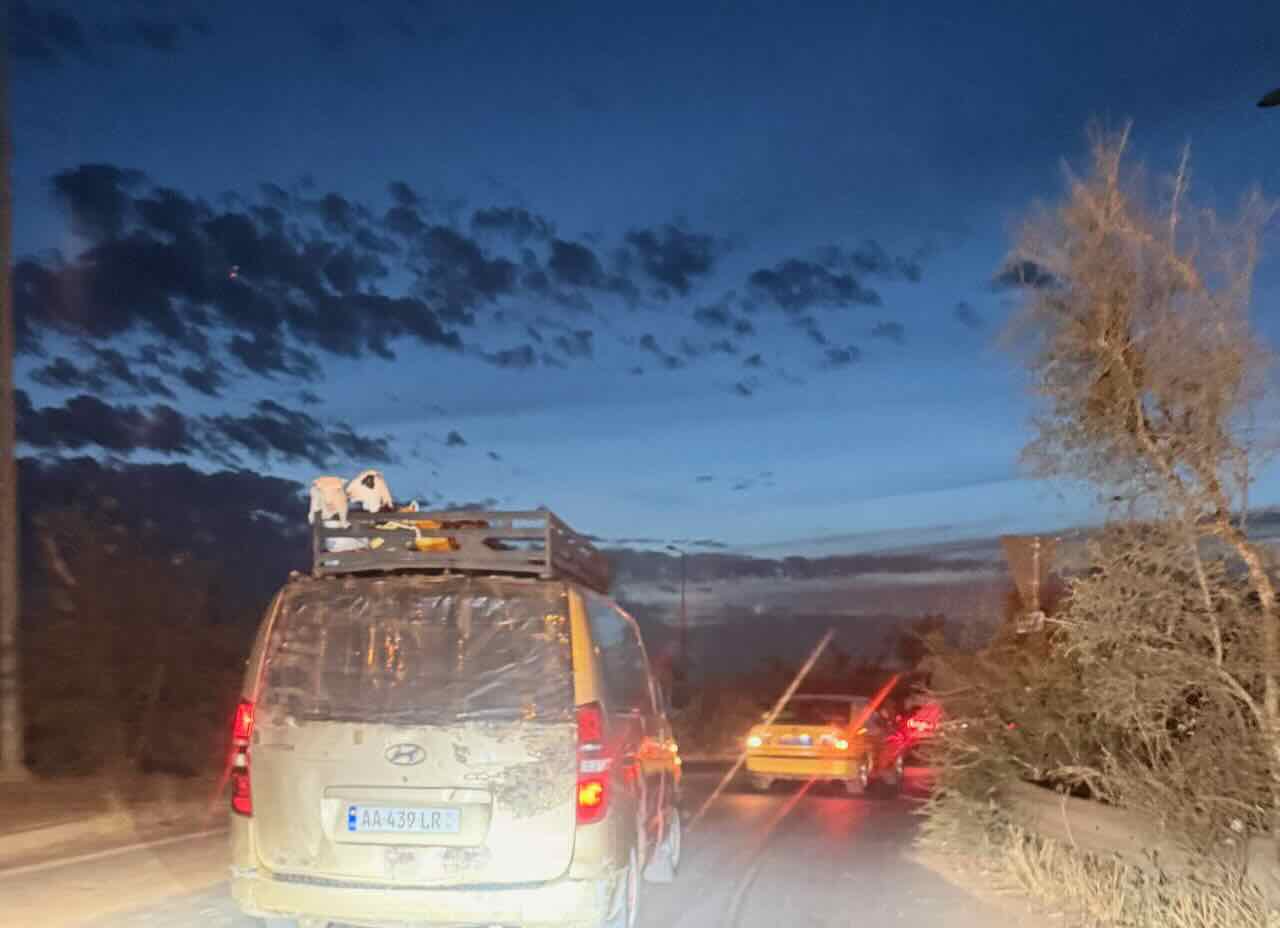
Welcome to Senegal…and the goats.
The road from the airport to the hotel was winding, well-worn, and two-lane. We followed a minivan that was much more worn out than the roads. The minivan had a roof rack loaded with luggage and two live goats. Remember, I’m visiting another culture!
The time zone in Senegal was eight hours ahead of Los Angeles. No problem. By now, I was very used to African time zones after spending time in Angola and Ethiopia.
How was I going to get home?
Yes, I am always thinking ahead. How would I get home? I would be non-revving home. That means I would be flying on my flight benefits to get back to Los Angeles.
Those credit cards (26 of them) were paying off now!
All of the flights up to now had been paid for with airline miles and cash. I paid around $500 round-trip for flights and used 130,000 frequent flyer miles. The entire trip covered almost 30,000 flying miles. That was a pretty good deal.
The Hotel Royam.
My hotel, the Hotel Royam, was located right on the Atlantic Ocean. It was dark when I arrived. I couldn’t see much of the grounds.
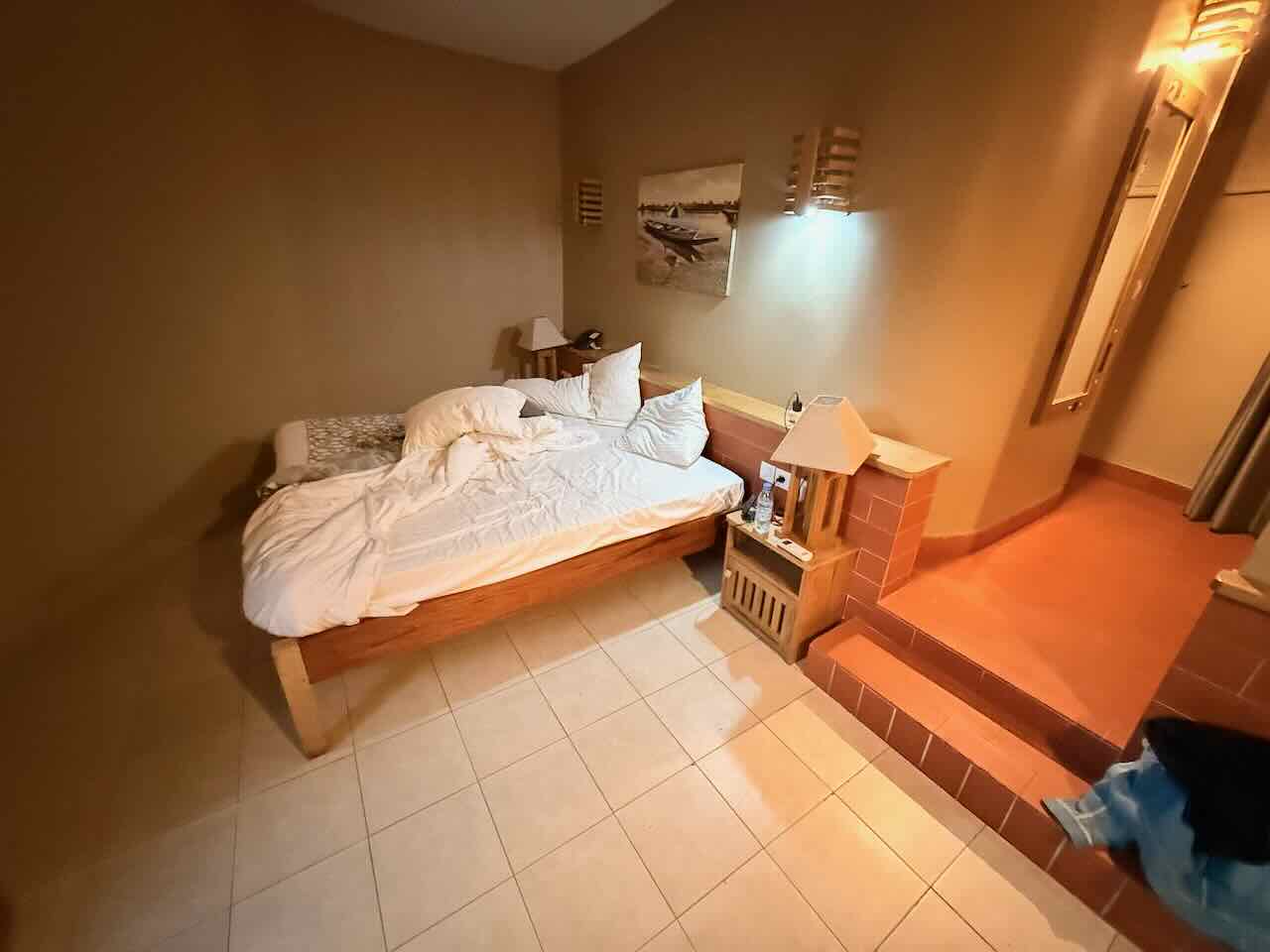
The hotel was unique. The rooms were in a series of chalet-like buildings with fairly basic interiors. I just had to make sure with all of the steps inside my room itself that I didn’t break a leg.
Wow!
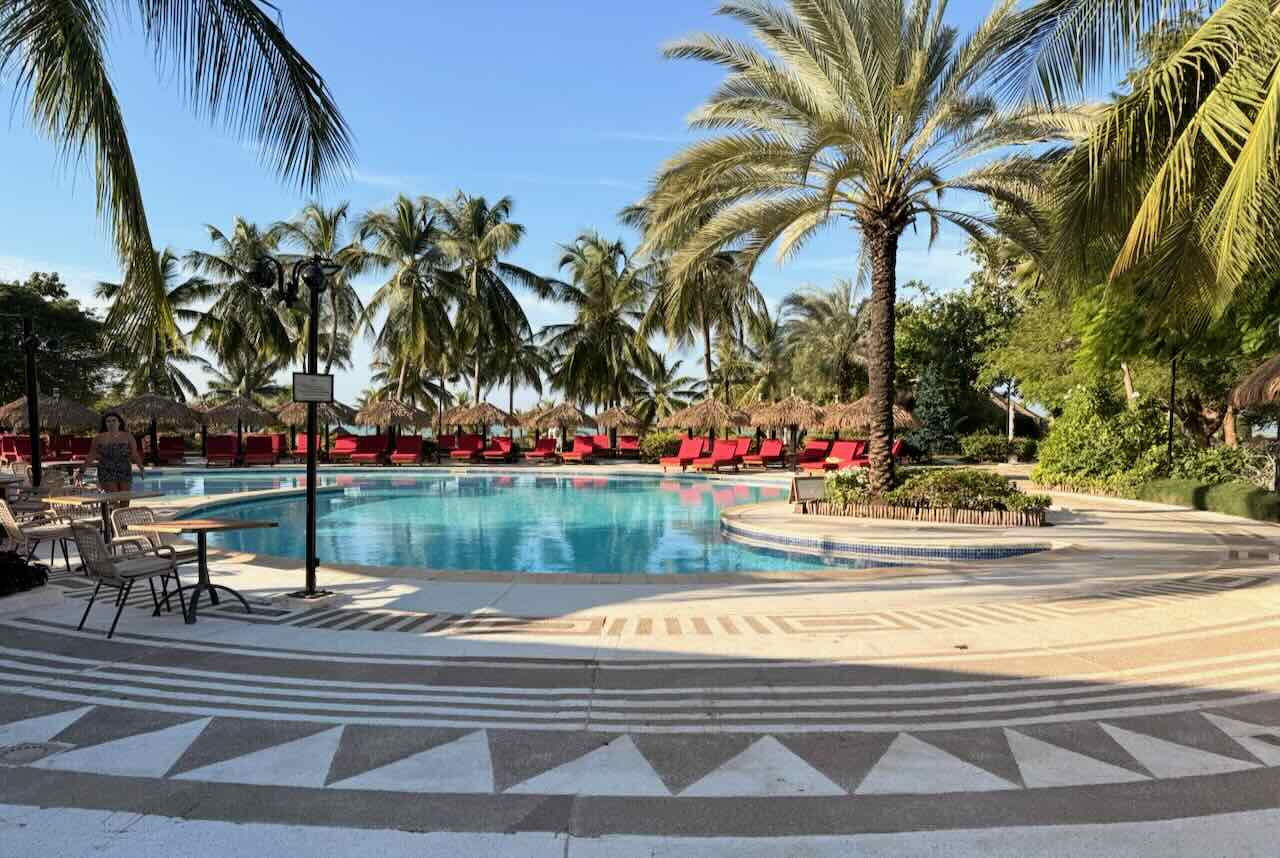
When I woke up the next morning, I discovered a beautiful hotel property, by both Senegal’s and just about anybody’s standards. The pool looked tranquil, surrounded by palm trees.
The hotel breakfast, included in the rate, along with dinner, offered a wide choice of dishes. I kept it simple. Ham and egg omelet, bread roll, and lots of Nutella chocolate and jam.
Let’s meet Mamadou.
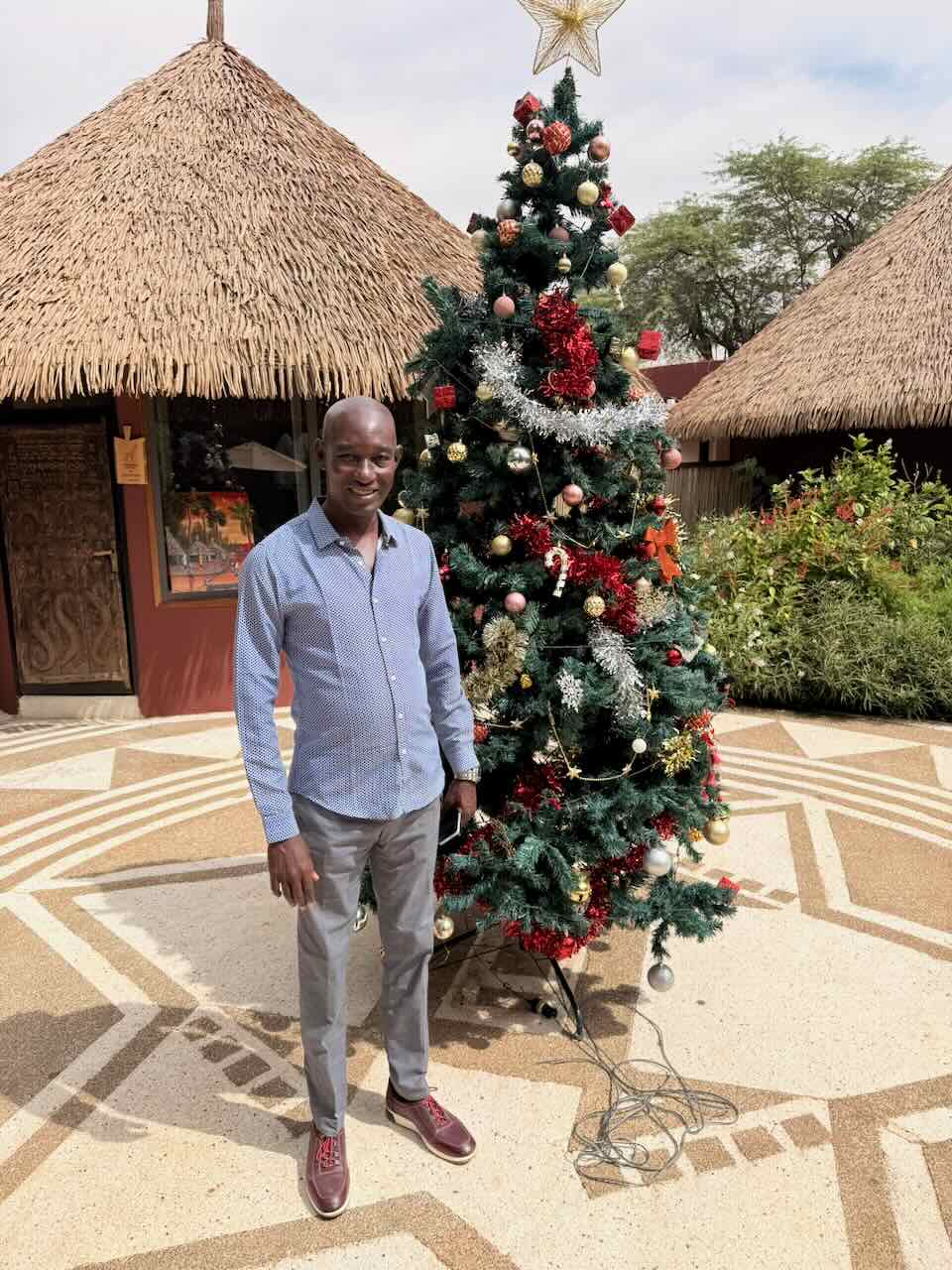
I met the big boss, Mamadou, who ran the chauffeur service. He came out to meet me and, more importantly, to collect payment.
And now we meet Francis.
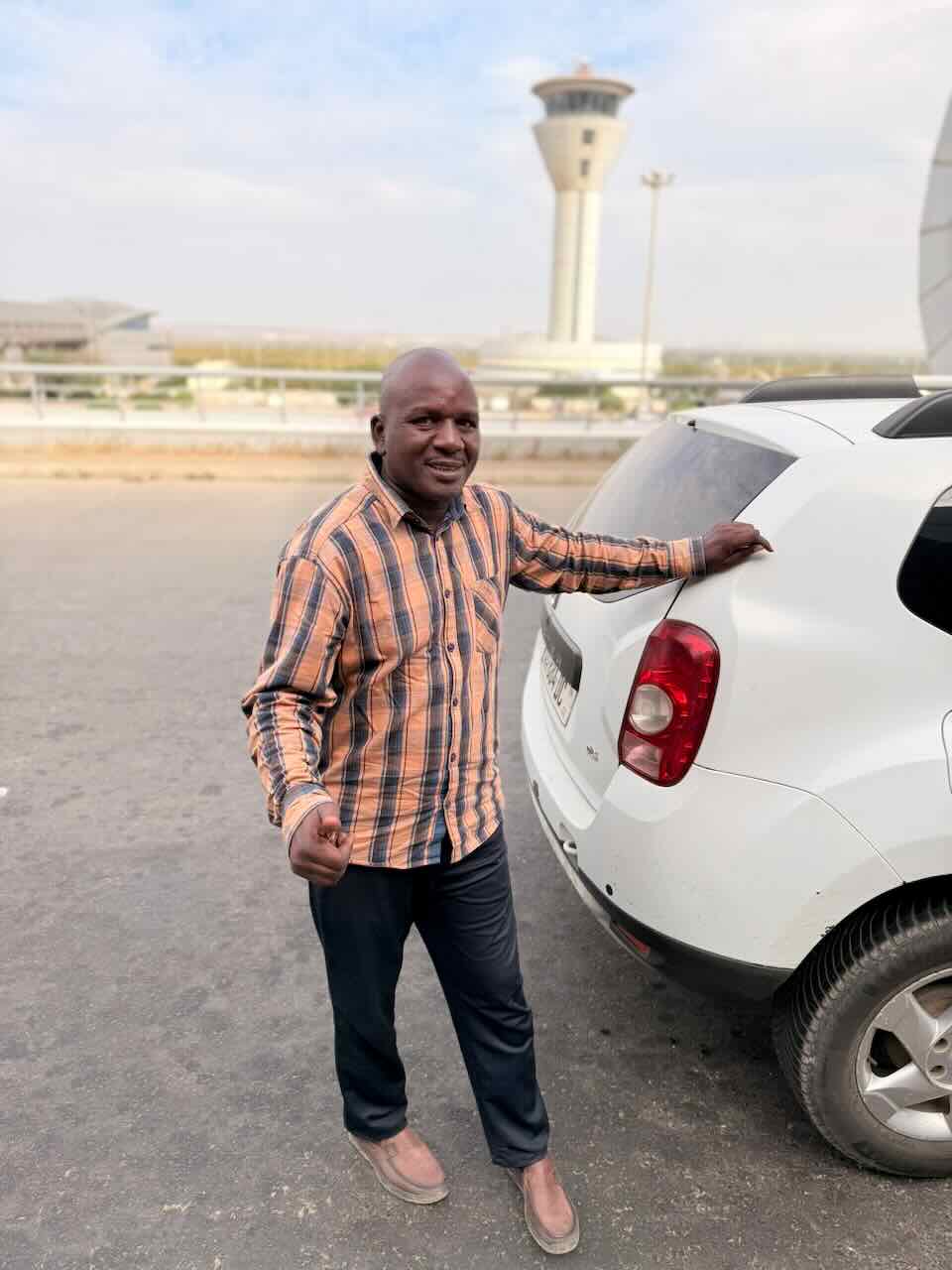
From there, I hopped in the car with my driver, Francis, and we drove out to the circuit, officially named the Circuit de Dakar Baobabs. The drive was the better part of an hour.
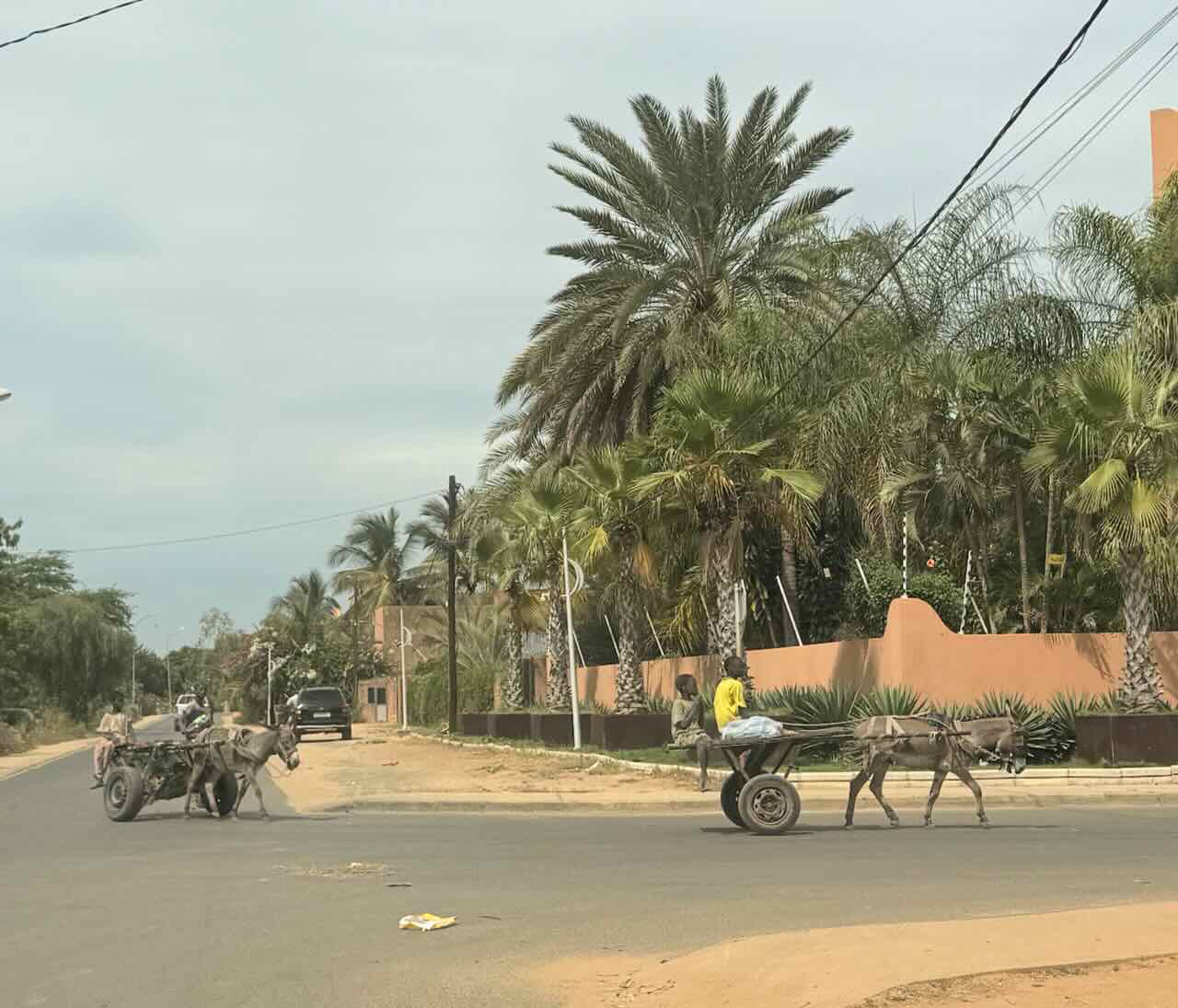
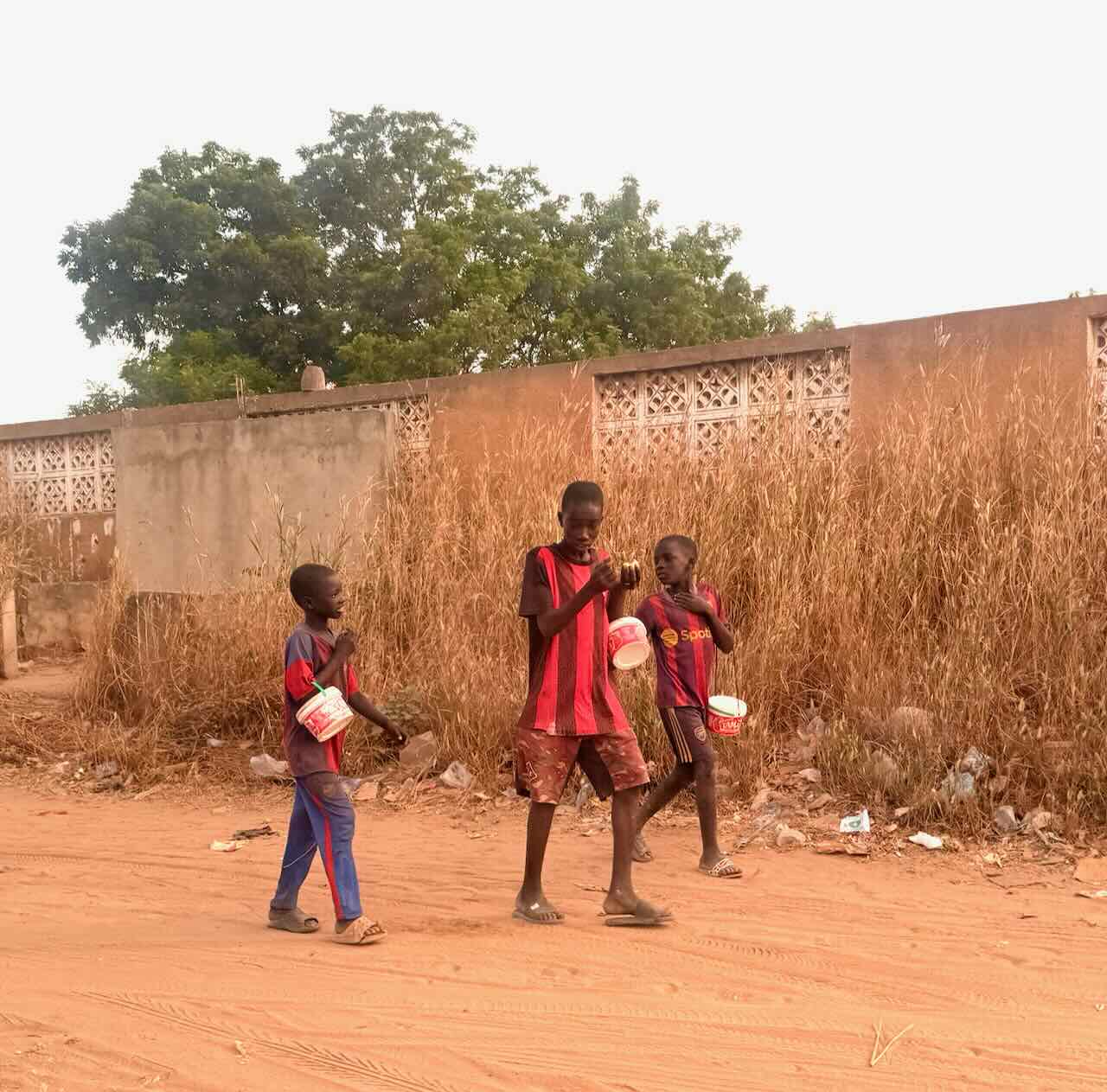
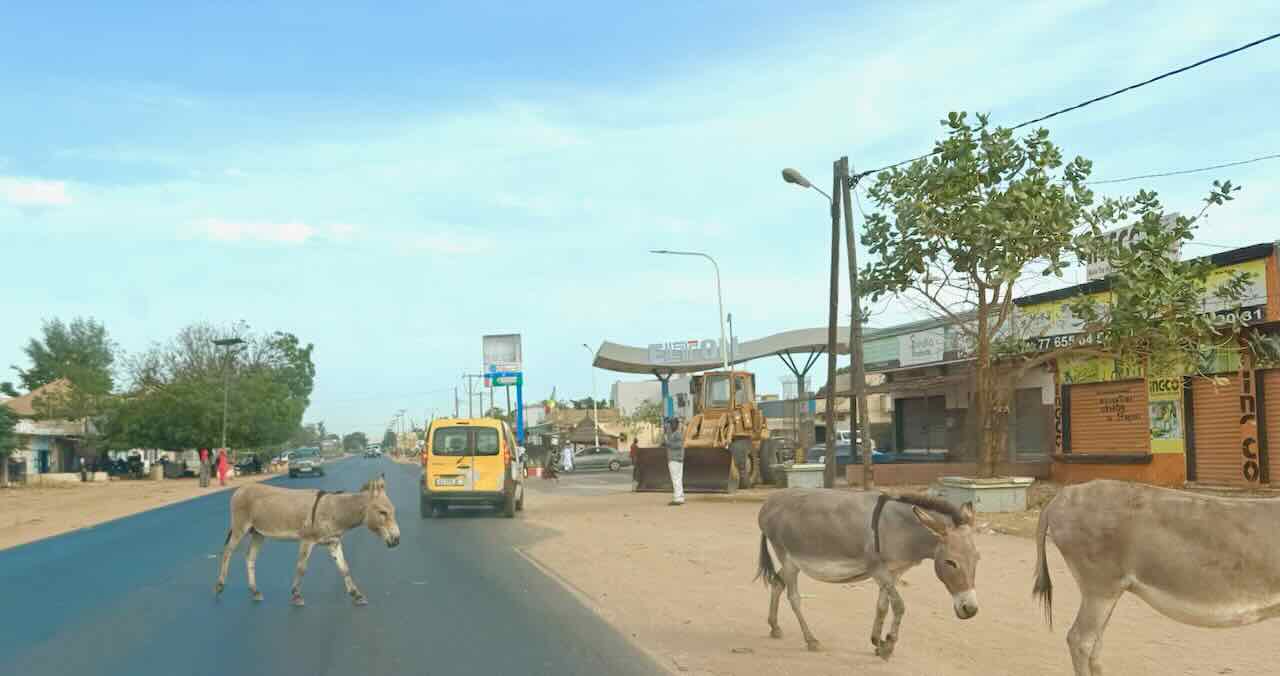
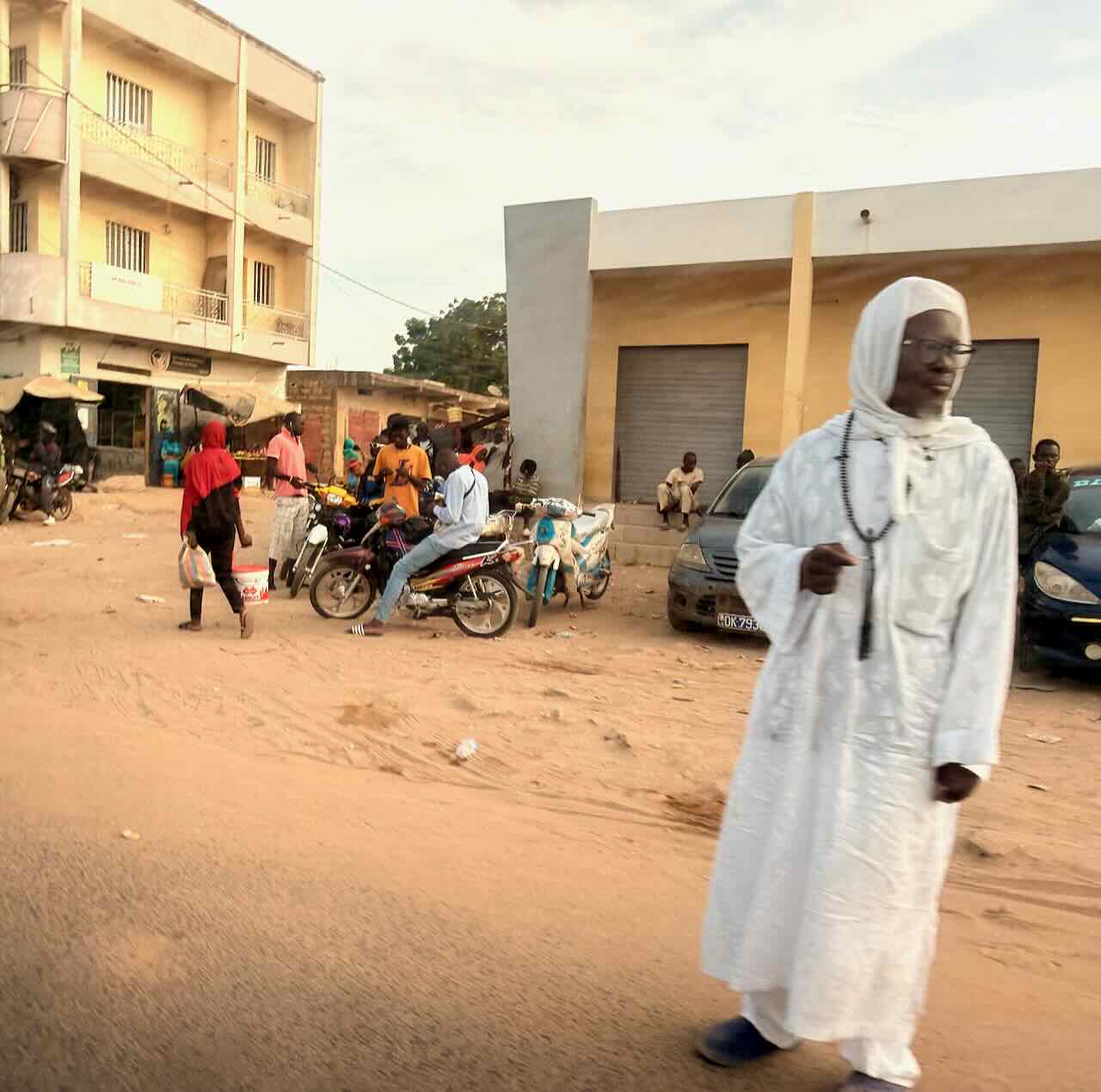
When I hire drivers, I always sit in the front seat. It’s better for picture taking. One of the true highlights of my trip to Senegal was seeing how people live their daily lives. They live their lives pretty much a few feet off the highway.
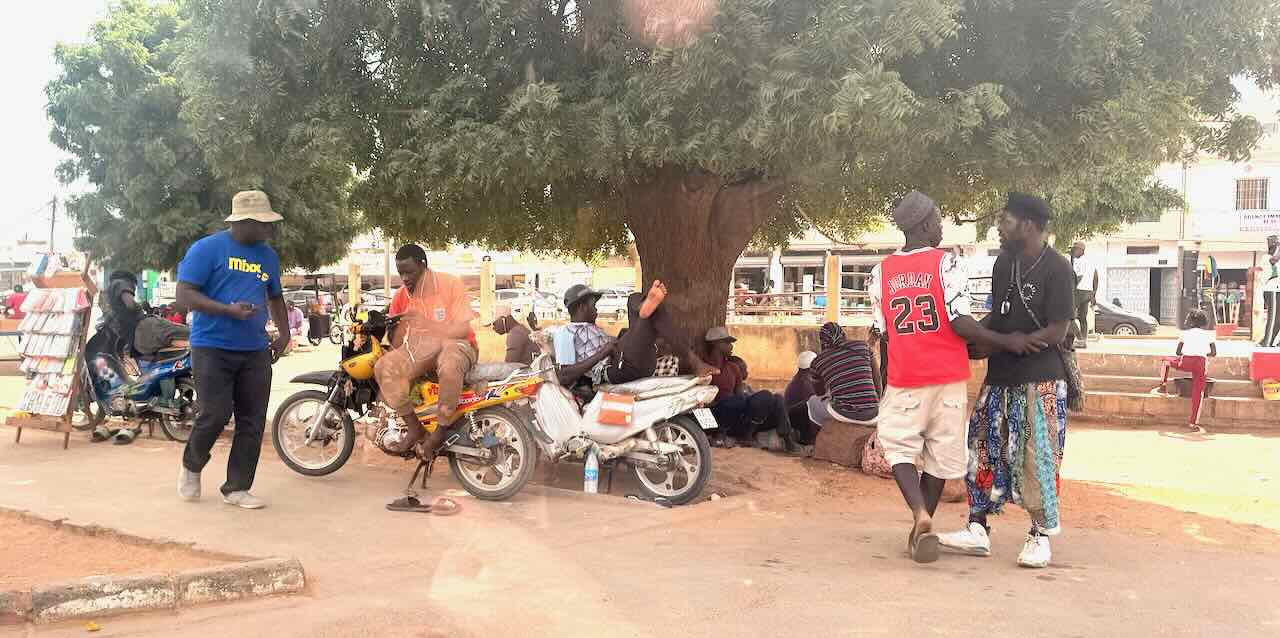
Not Mexico, but this place had similarities to Mexico.
I always think of these less-developed countries as being similar to Mexico in appearance since I’ve been to Mexico so much. It’s just that the people living their lives in Africa are black, and the people living their lives in Mexico are brown.
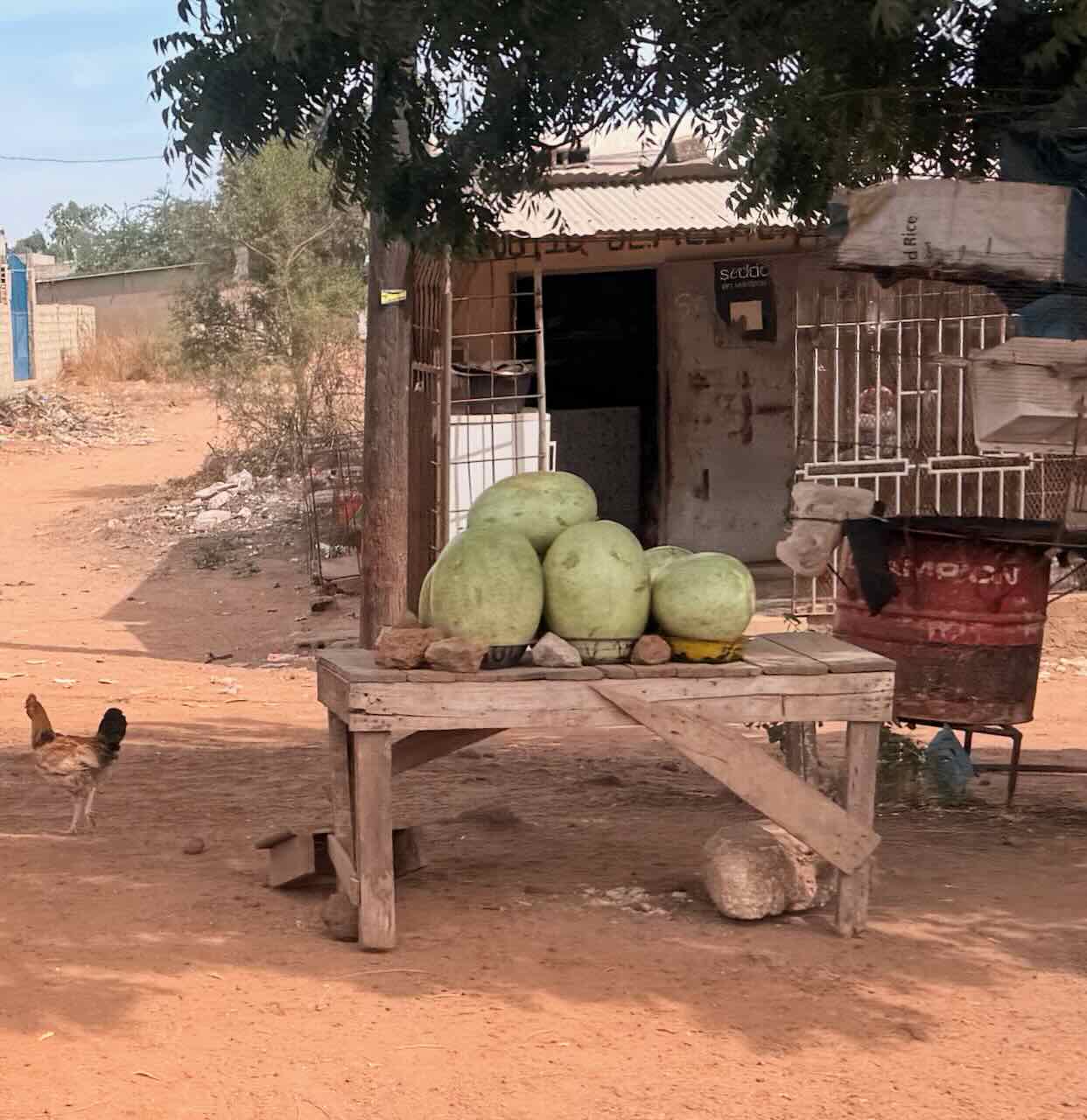
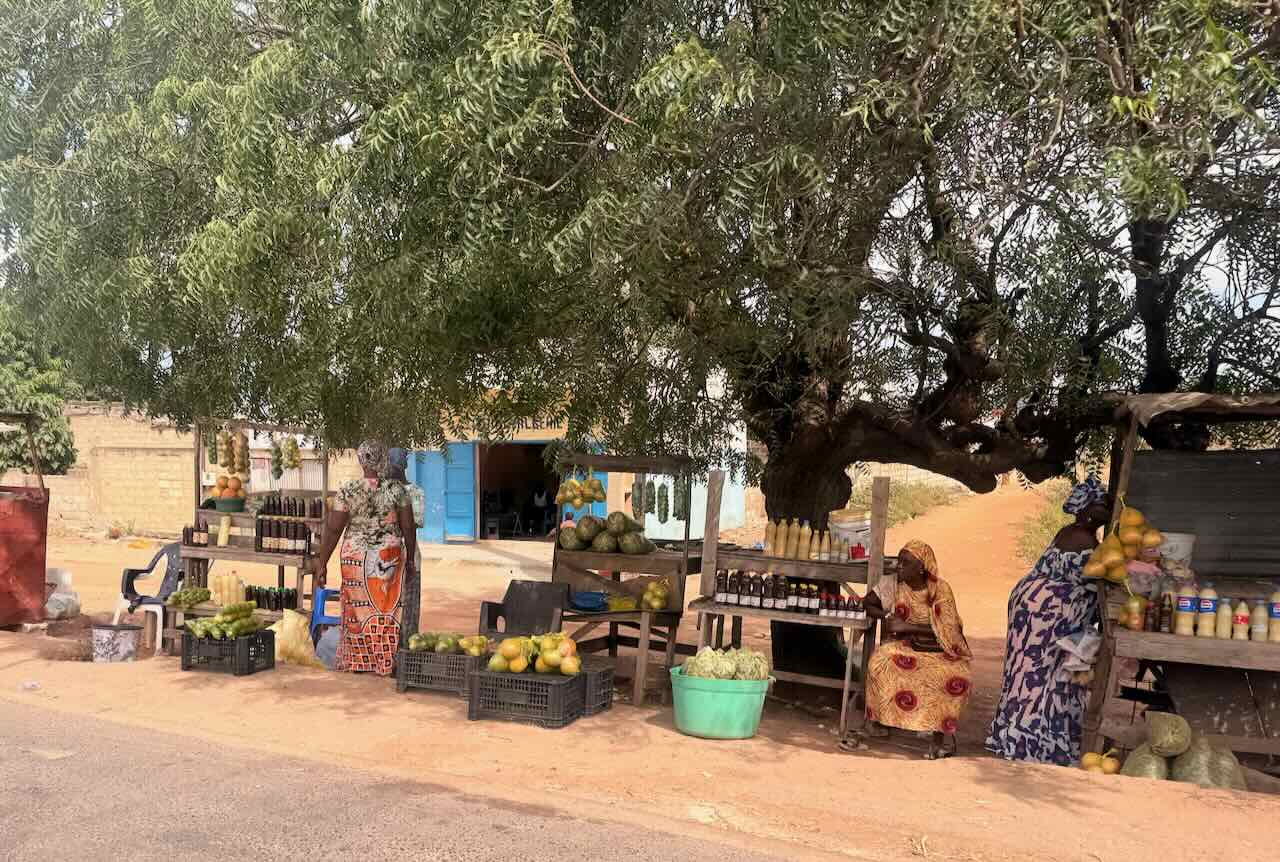
The best part of the visit?
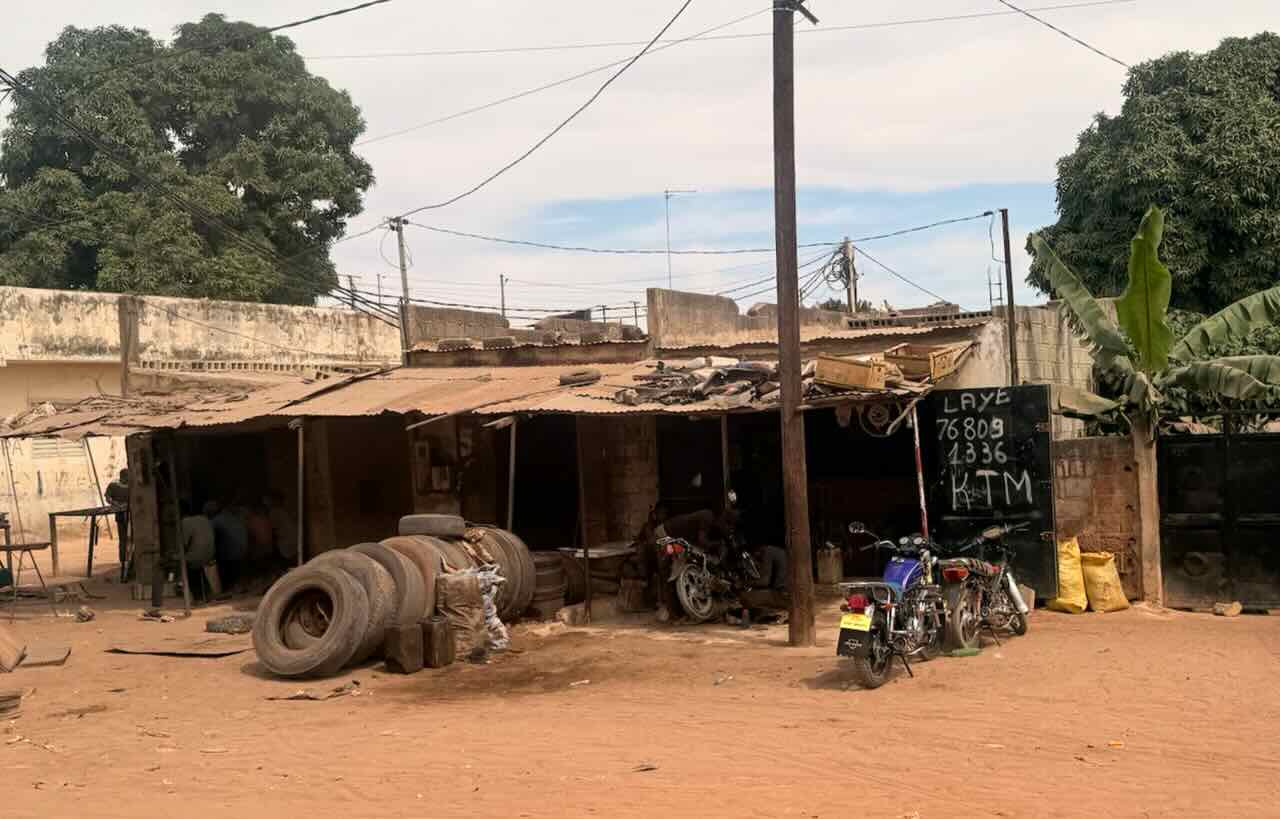
There were all kinds of roadside displays of people selling their goods and services. Light-green watermelons were a popular item. There were also many used tire stores. With the poor condition of the roads and the large number of cars and trucks, most of which were well past their use-by date, tires and wheels would be a popular item.
This was what I came to Senegal to see!
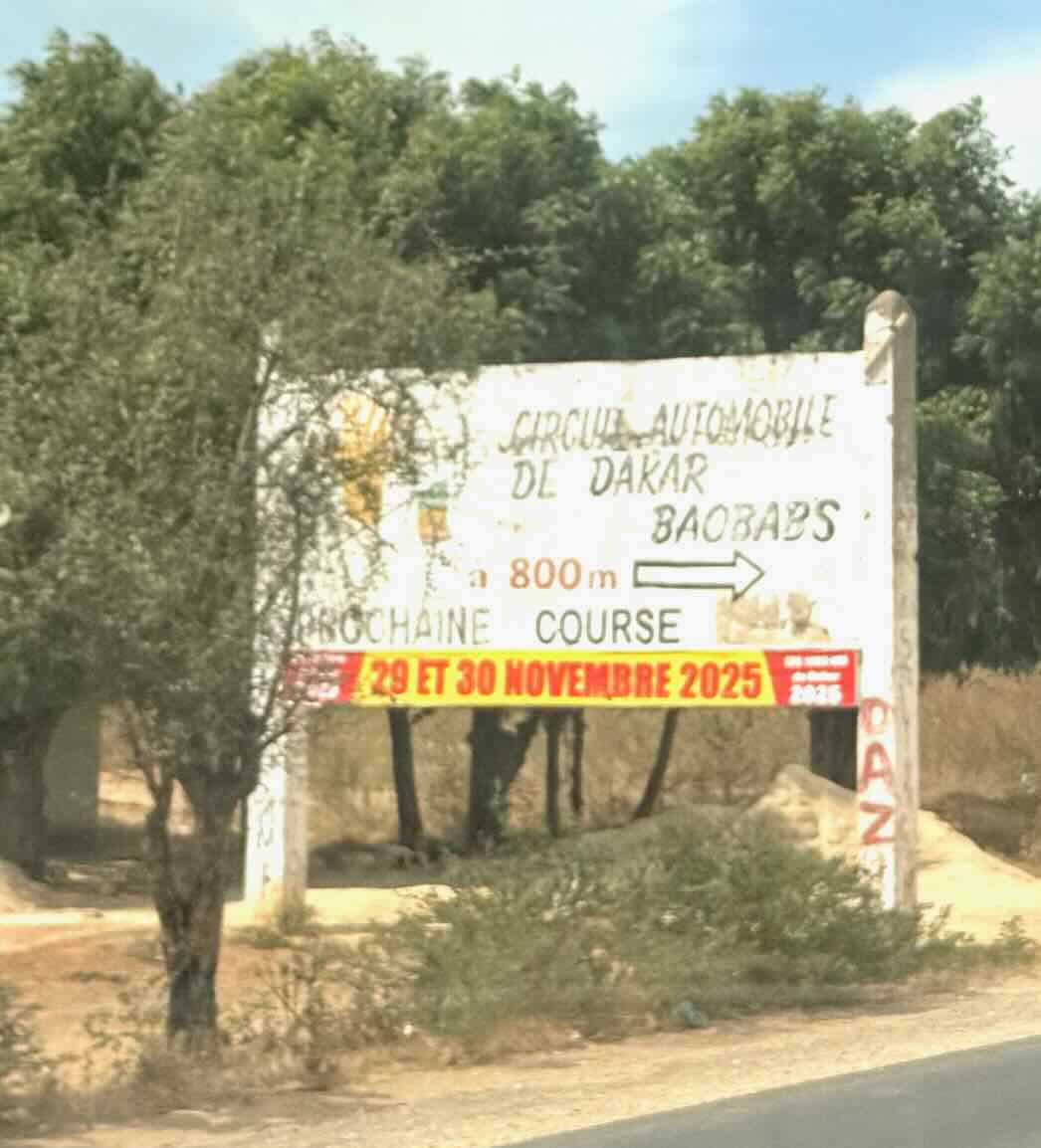
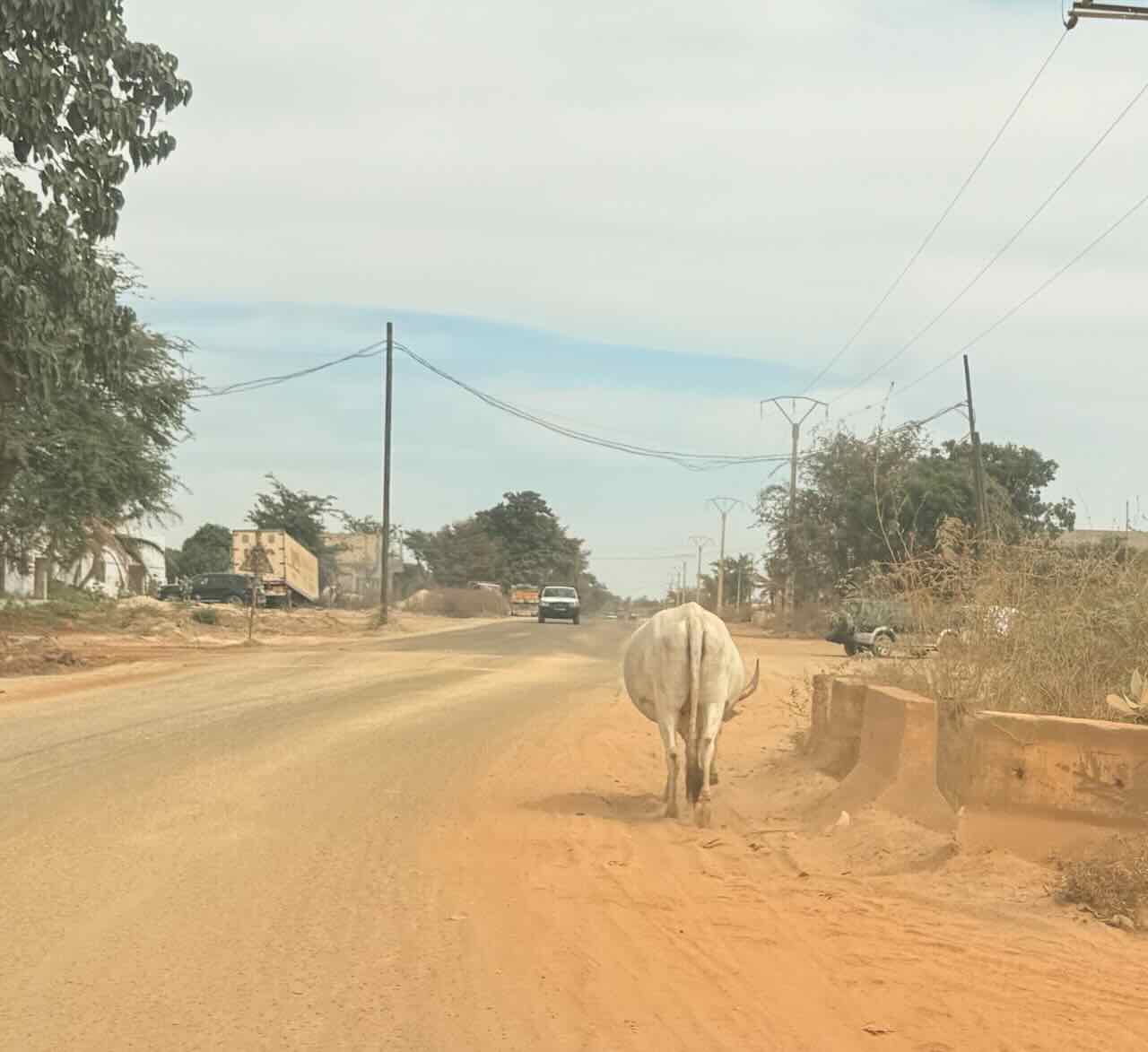
Soon, I saw the sign for the Circuit de Dakar Baobabs. This road took us onto an even rougher, dirt-and-dusty pathway with cows walking along on their own, at their leisure, on the side of the road.
I was about to enter the racetrack. This was one of the more unusual architectural designs of any racetrack I’ve ever visited.
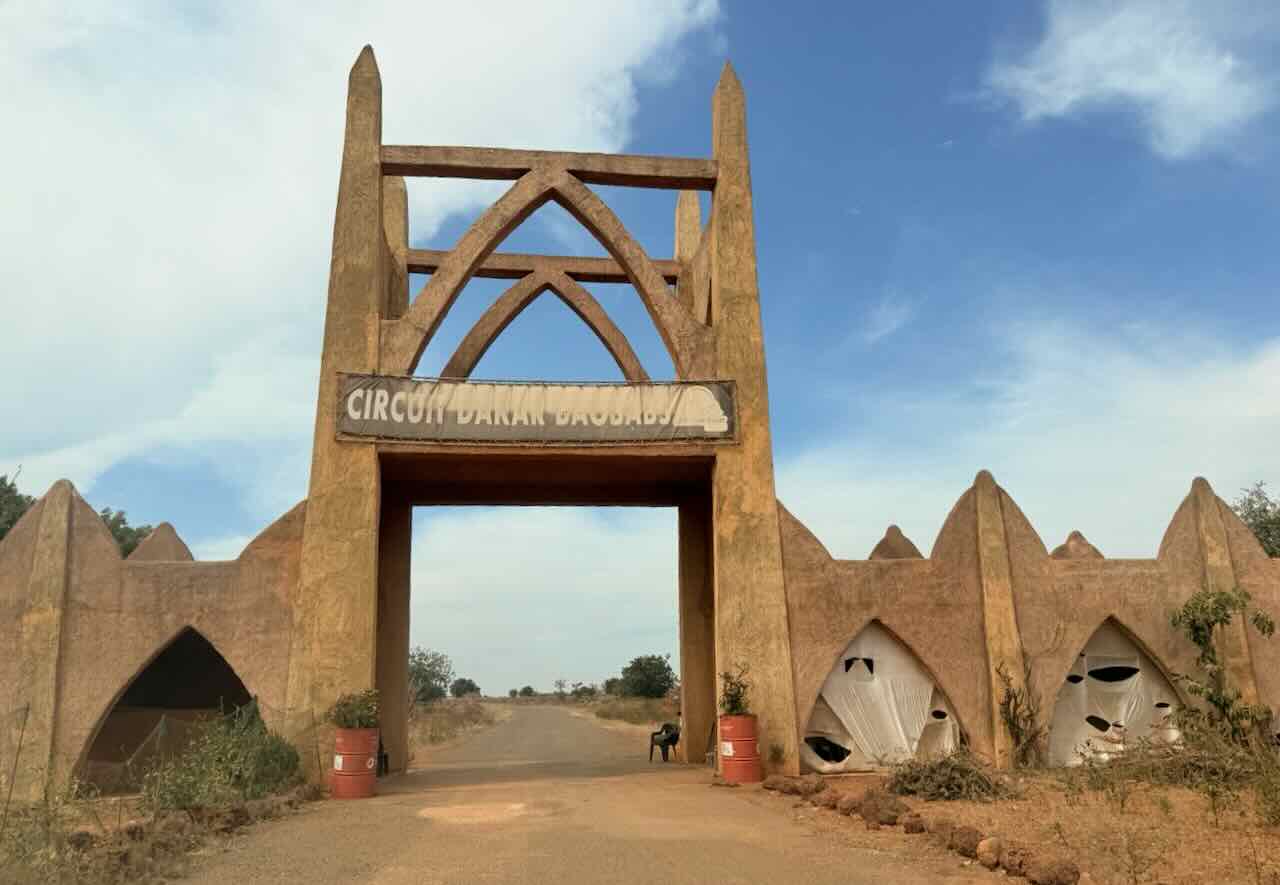
Everything seemed to be built on a castle theme.
The race I would be seeing would be a six-hour endurance contest. Three hours of the race would be completed on Saturday, and the remaining three hours on Sunday. I would attend both days.
My driver dropped me off at the racing paddock and then parked his car under a shade tree. He would sit in the car until I told him that I was ready to leave the track and head back to the hotel.
There was no admission charge. I did get a wristband, and then I had all day to see what I could see, and that’s the way I like it.

Never heard of such a thing.
There is one very unusual aspect of the racing situation at the Circuit de Dakar Baobabs. Virtually none of the cars were from Senegal. All the vehicles were transported from Belgium! Puerto Rico is closer to Belgium than Senegal is!! For my race fans reading this, where have you ever heard of that? It costs about €2000 per truck, one-way, from Belgium or Luxembourg to Senegal.
Why do they do that?
In November, it’s cold in Belgium, which is not well-suited for auto racing. In Senegal during the winter, it’s warm, about 80°F. For the most part, it only rains in Senegal during July and August.
You’ve got to really want to race to pay to have your car shipped to a warm-weather climate so you can pursue your hobby. That tells me we have some very passionate racers from Belgium and other nearby European countries.
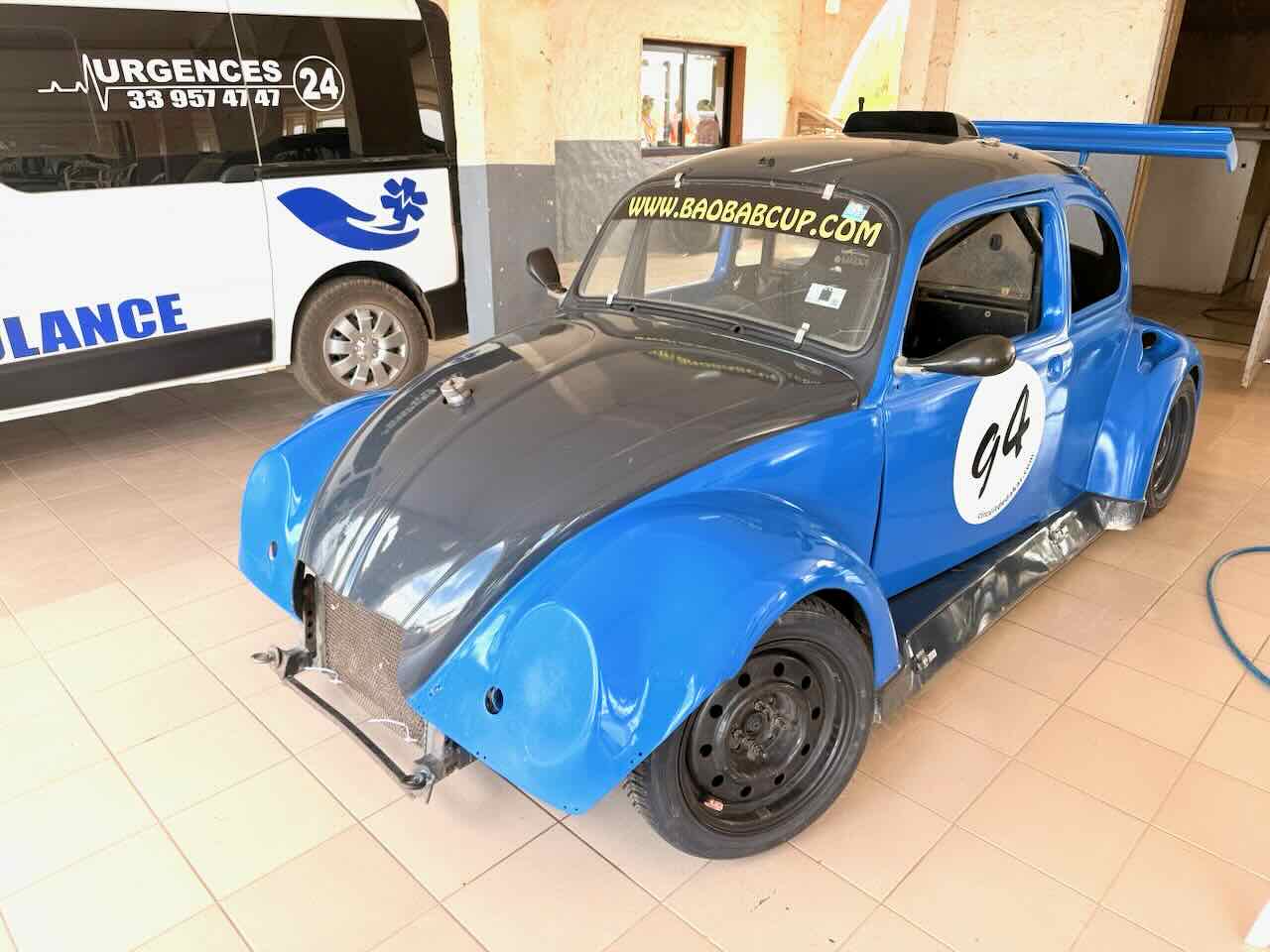
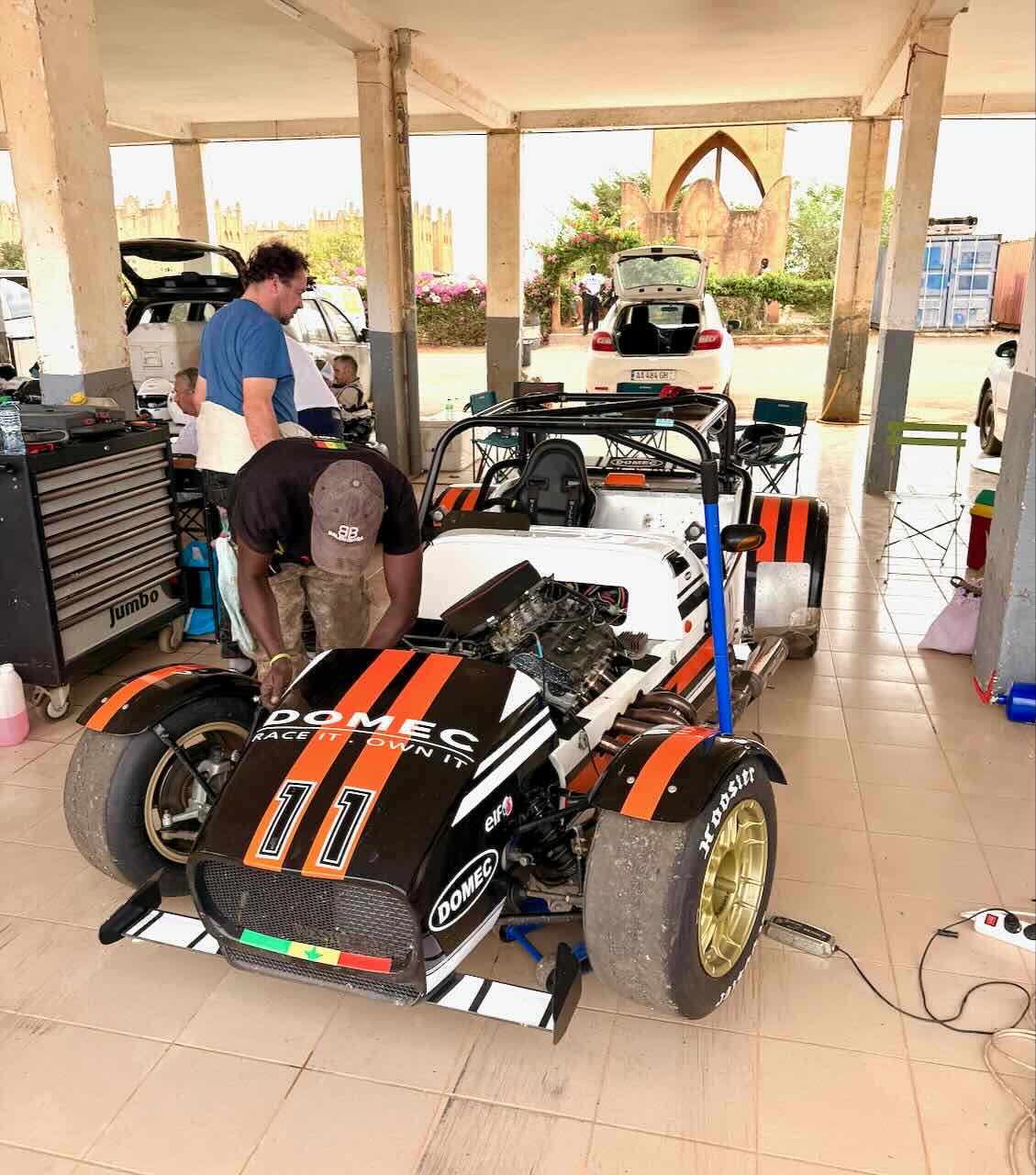
Friends getting together to race.
The paddock was filled with a dozen cars, all colorfully painted, most just a little bit different from the next. These guys have been racing together for years.
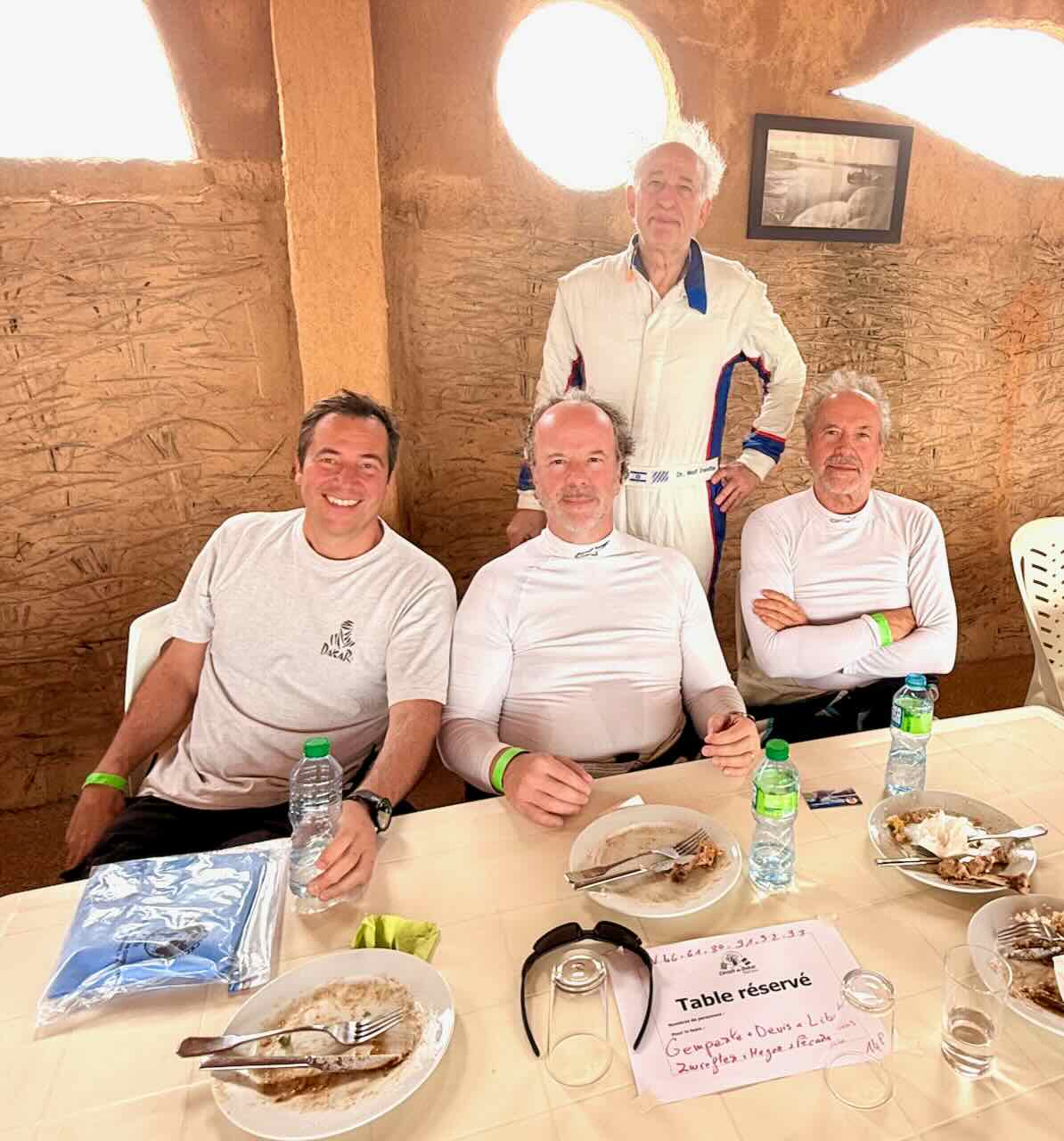
I wanted to find Jean Andre and soon did. He was having lunch with his friends, who all raced. They invited me to join them. There were a dozen cars, but each car had two or three drivers to complete the entire endurance race.
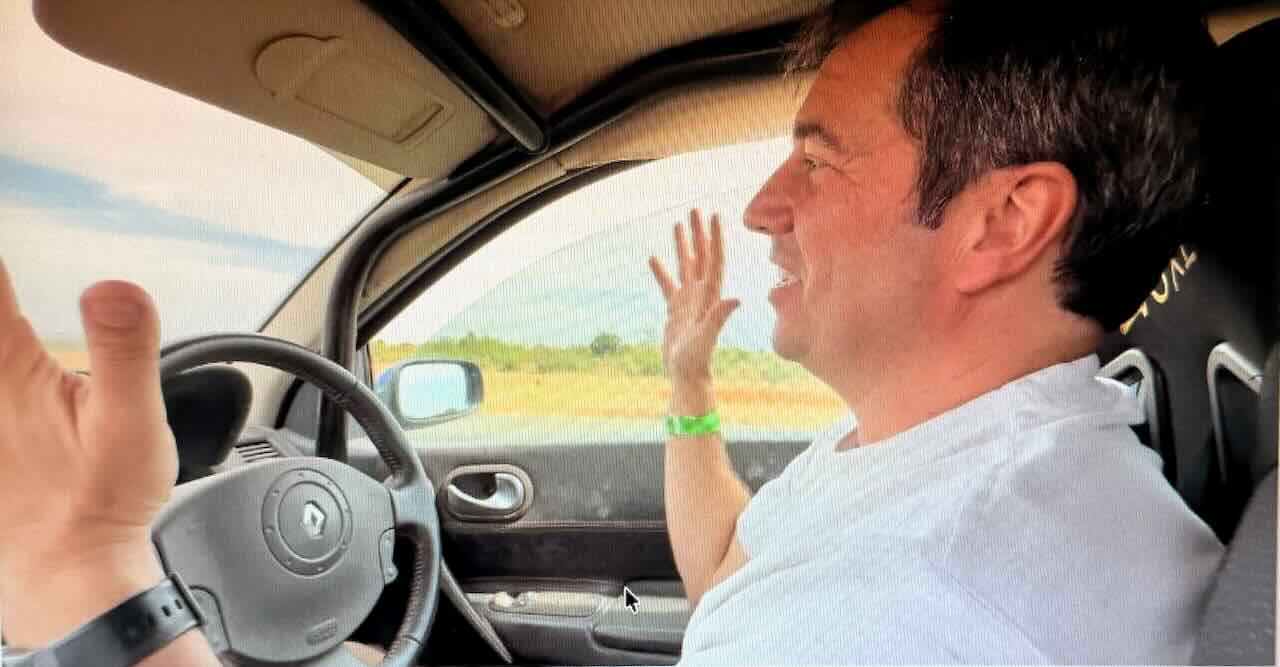
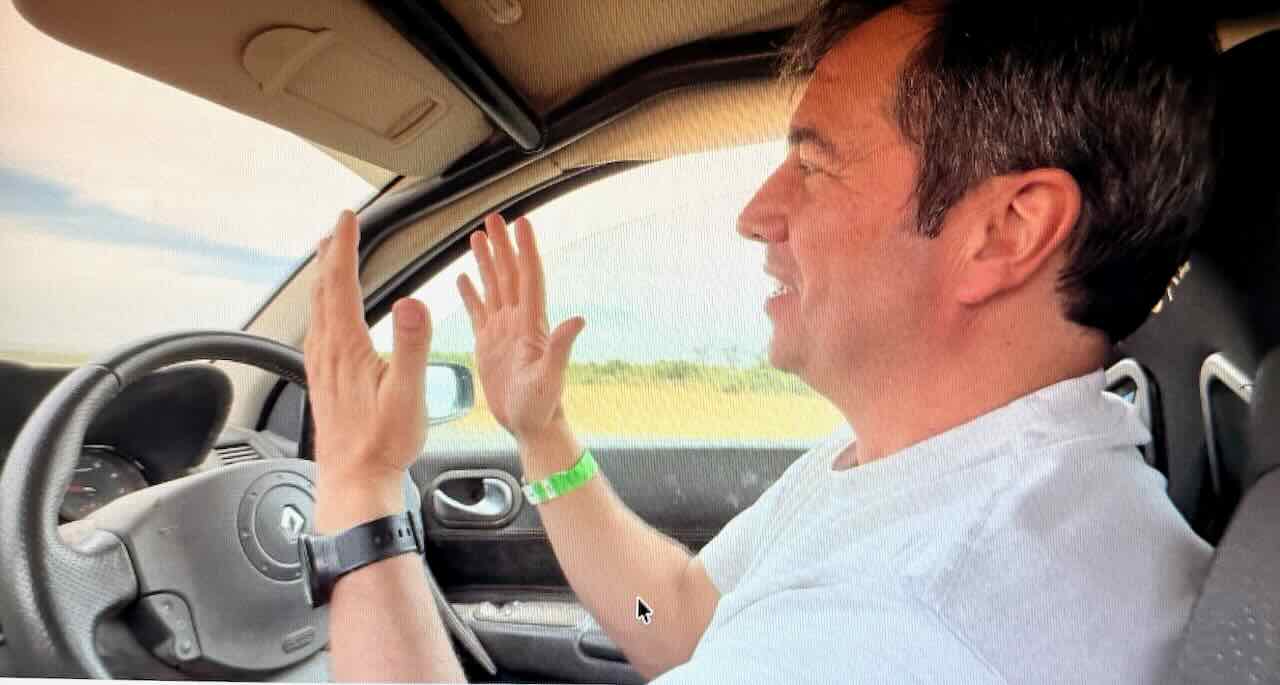
It was fun talking to these guys. They were both surprised and amazed at my hobby. I explained to them that the racing part of my trips takes up a small portion of the adventure and placed my hands about 12 inches apart. Then I told them that the journey itself takes much more of my time, holding my arms and hands as far apart as I could. I think they understood that analogy and thought to themselves, “Gee, this guy looks a little funny and acts a little funny, but his hobby seems like a lot of fun.” From the photos, I knew that Jean Andre understood what my hobby was all about.
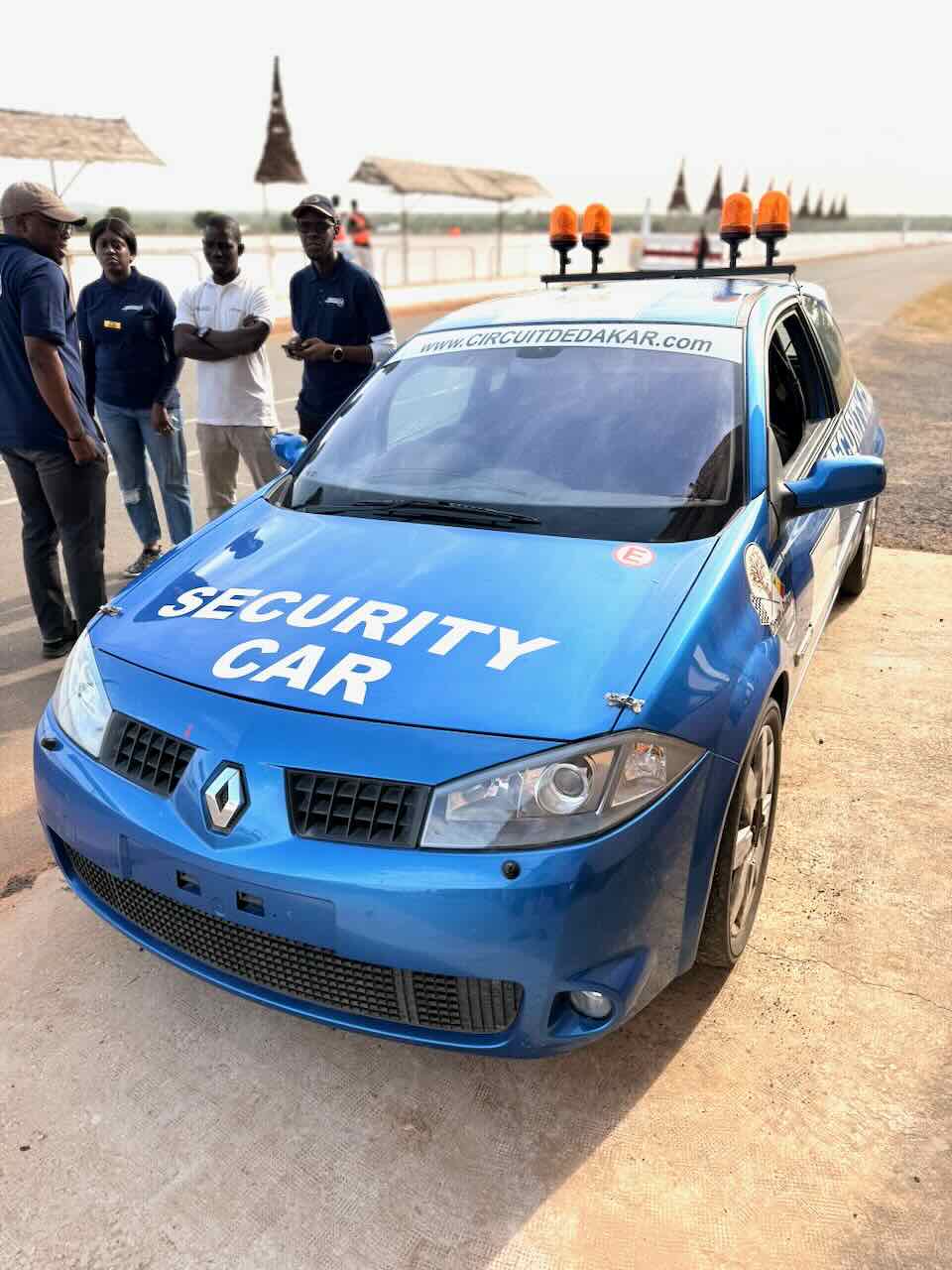
I took a lap around the track.
After lunch, Jean Andre took me for a lap around the track in the right side steer security car. Jean Andre was a man probably in his 40s with a huge smile and an engaging personality.
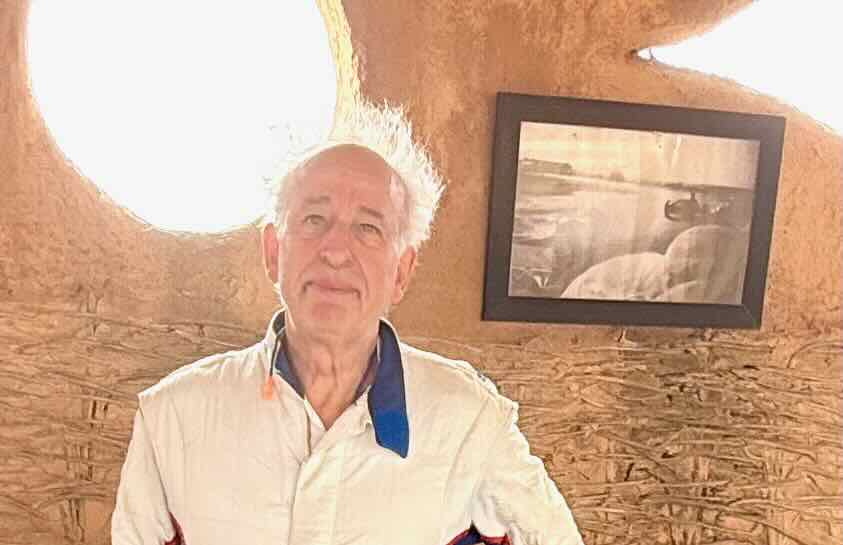
Remember, Jean Andre and his father-in-law, Paul Libens (above), designed and built this track themselves. With their own money! I had plenty of time to speak with Paul. He told me he has been a builder, mainly of residential houses, in Senegal for decades.
How the track was built.
As we drove along, Jean Andre explained how the 4.7 km, 23-turn track was designed. Several of the turns were based on famous corners of other Formula One tracks around the world. He answered all my questions with a smile and a ton of enthusiasm. Nice guy.
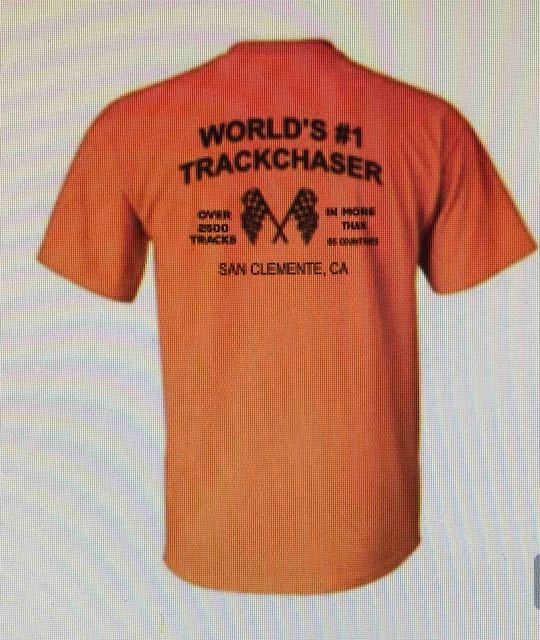
I brought one of my souvenir trackchasing shirts for Jean Andre. He reciprocated by giving me a Circuit de Dakar Baobabs track shirt. I’ll treasure that shirt, and each time I see it, it will remind me of Jean Andre and my trackchasing trip to Senegal.
Buy a house and keep your car at the track.
There were so many unique aspects of today’s racing visit to Senegal. I mentioned that the drivers transported their cars from Belgium to Senegal. That’s a more than 5,000 km one-way trek. That’s unique!
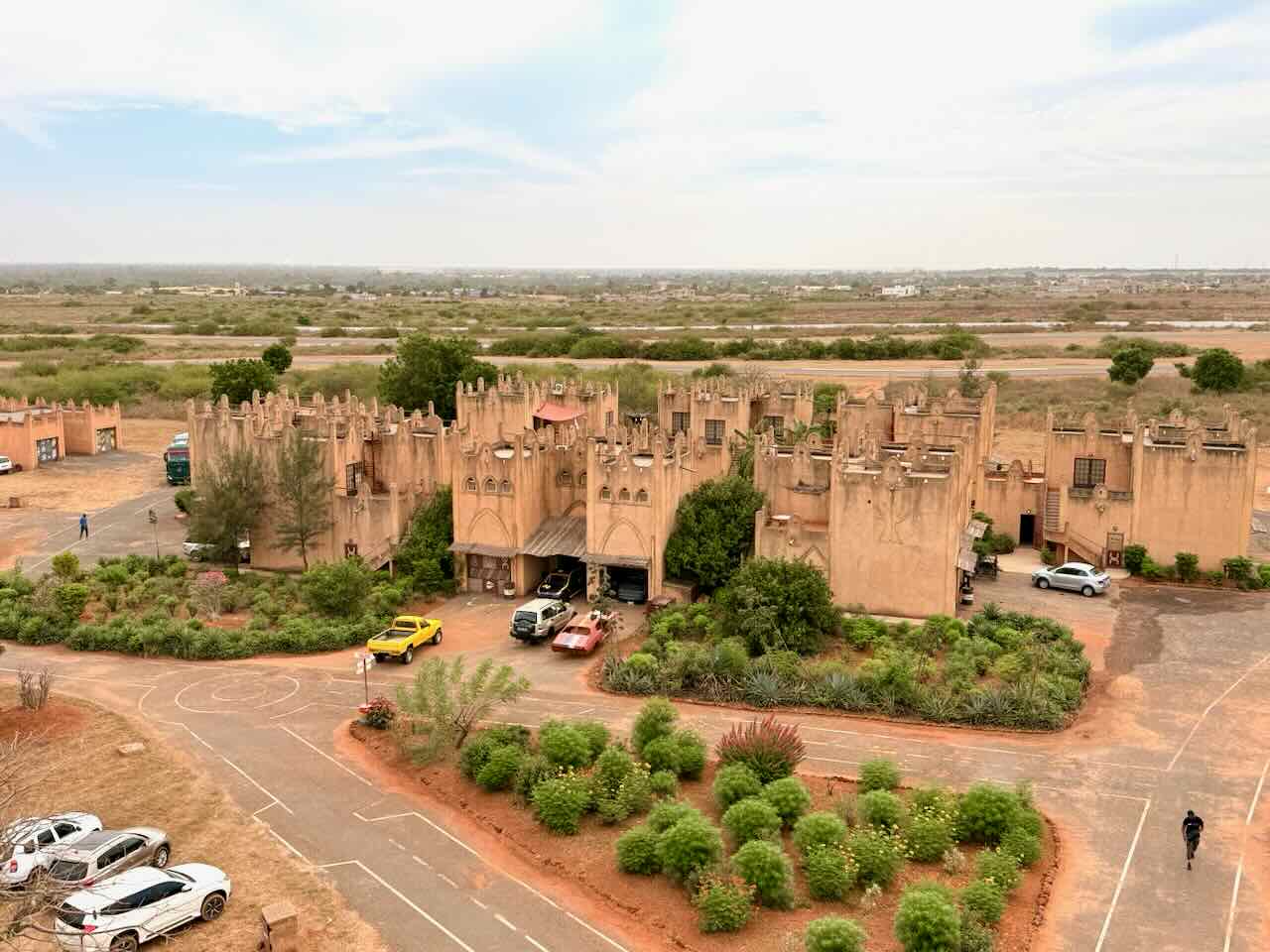
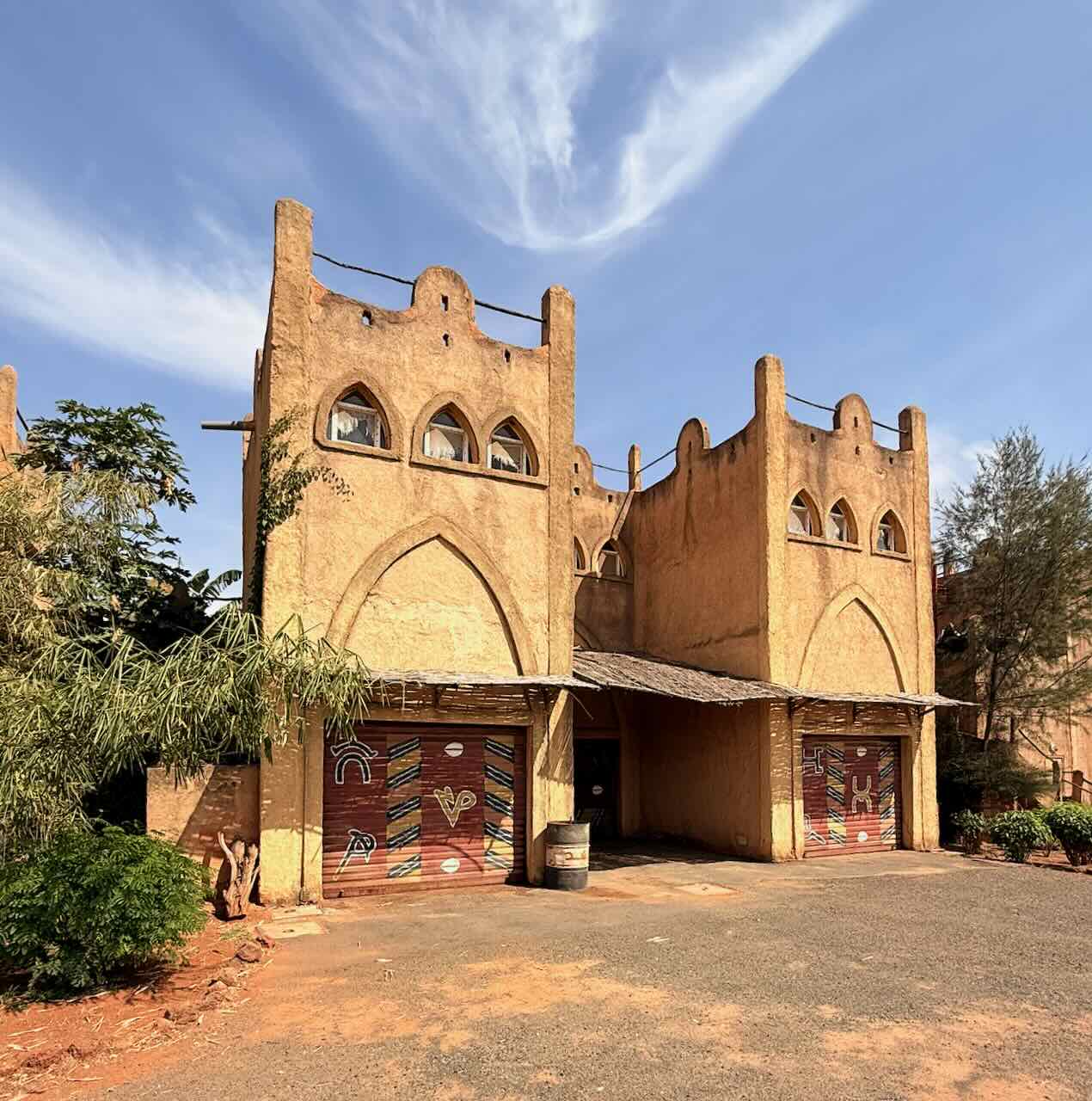
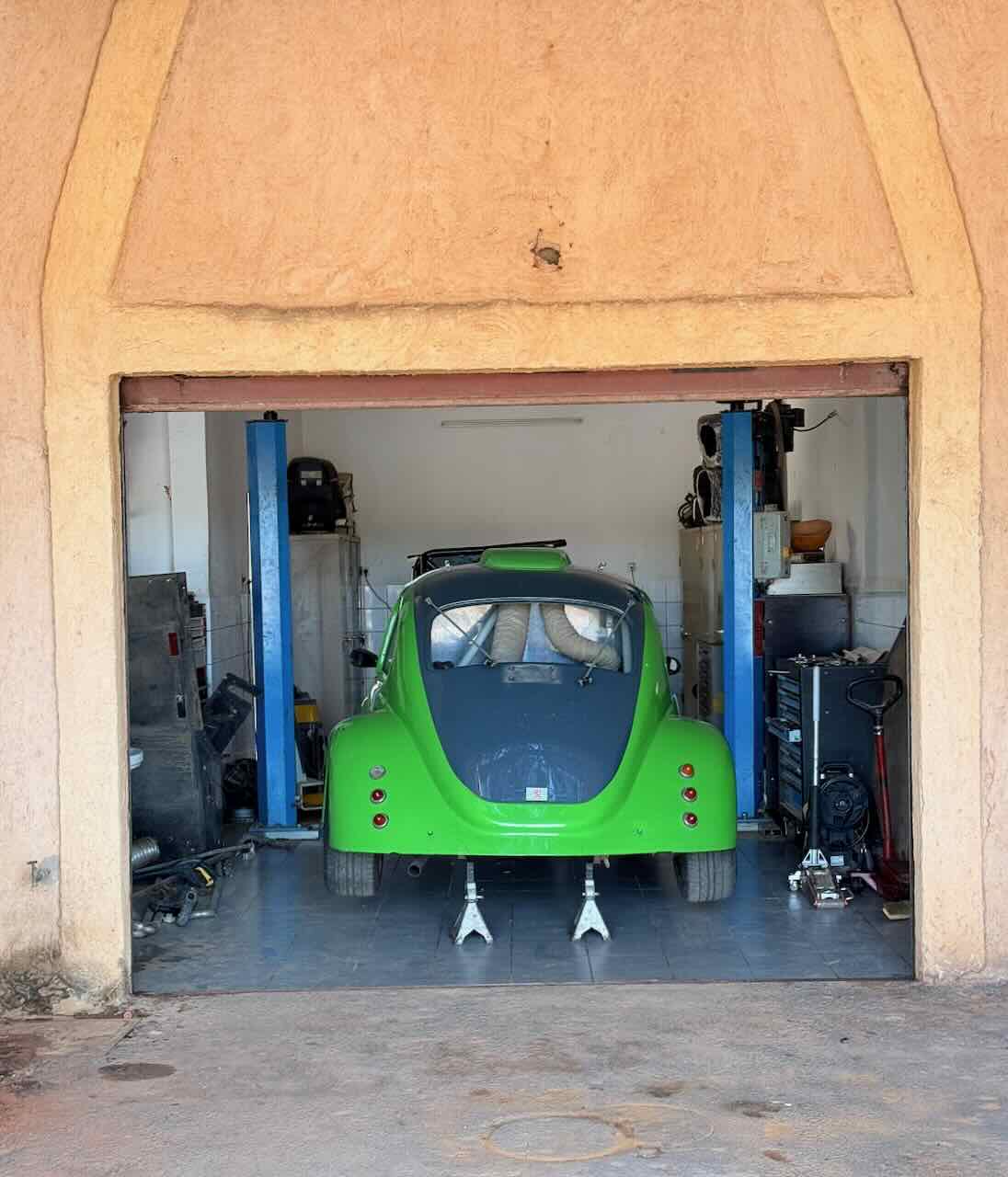
Jean Andre and his father-in-law came up with the idea to build personal residences next to the paddock area. Drivers could own a place to live and have a garage to store their race car, within a few meters of the track itself. I’ve seen some of the “country club” race tracks in America operating with a similar strategy. Maybe those folks got their ideas from Senegal!
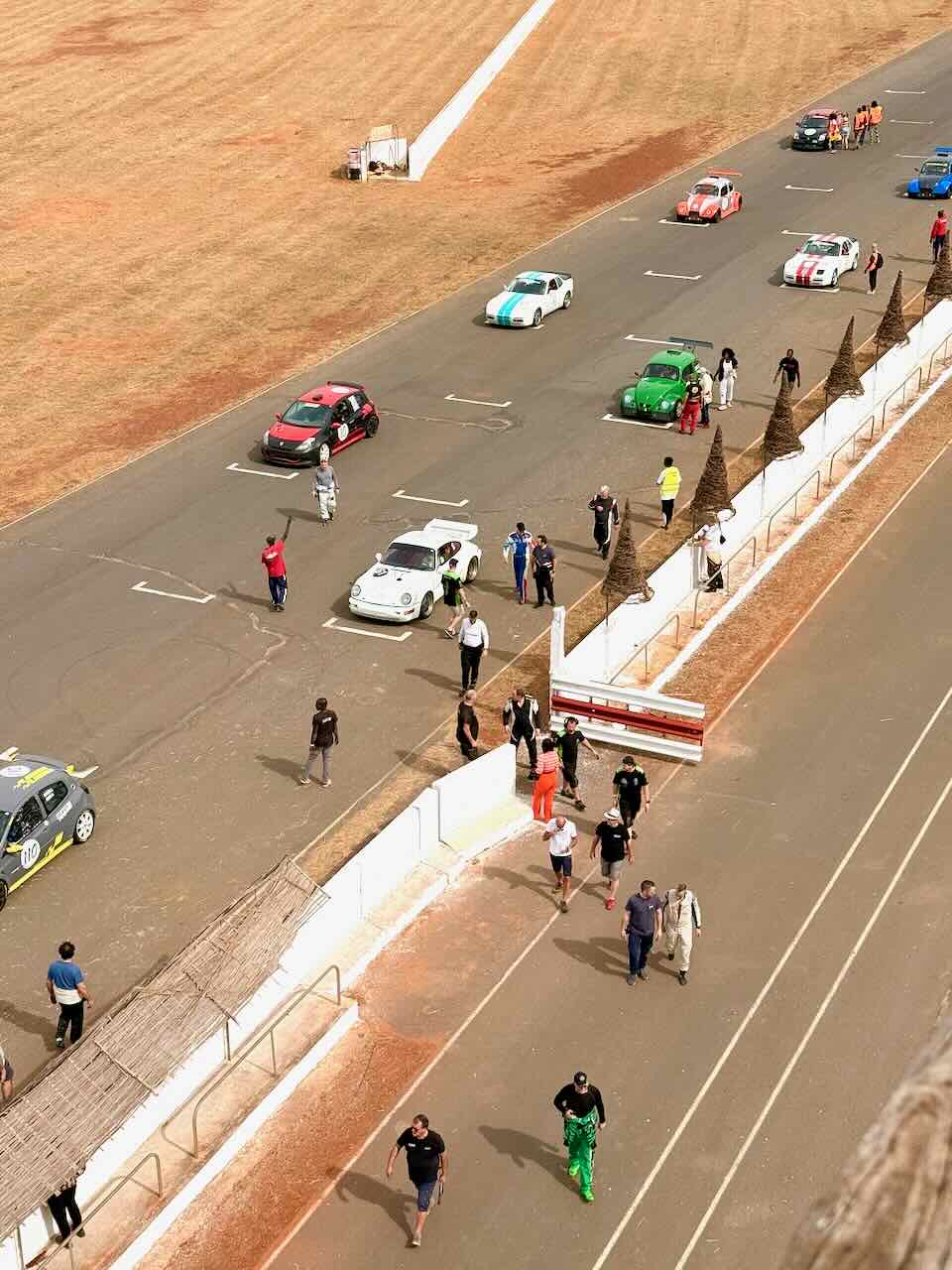
It’s race time!
I had a great viewing position about four stories high for the start of the race. The track was so large that I really couldn’t see the racing all that close for much of the time, but from my elevation, I could see a long way beyond the track.
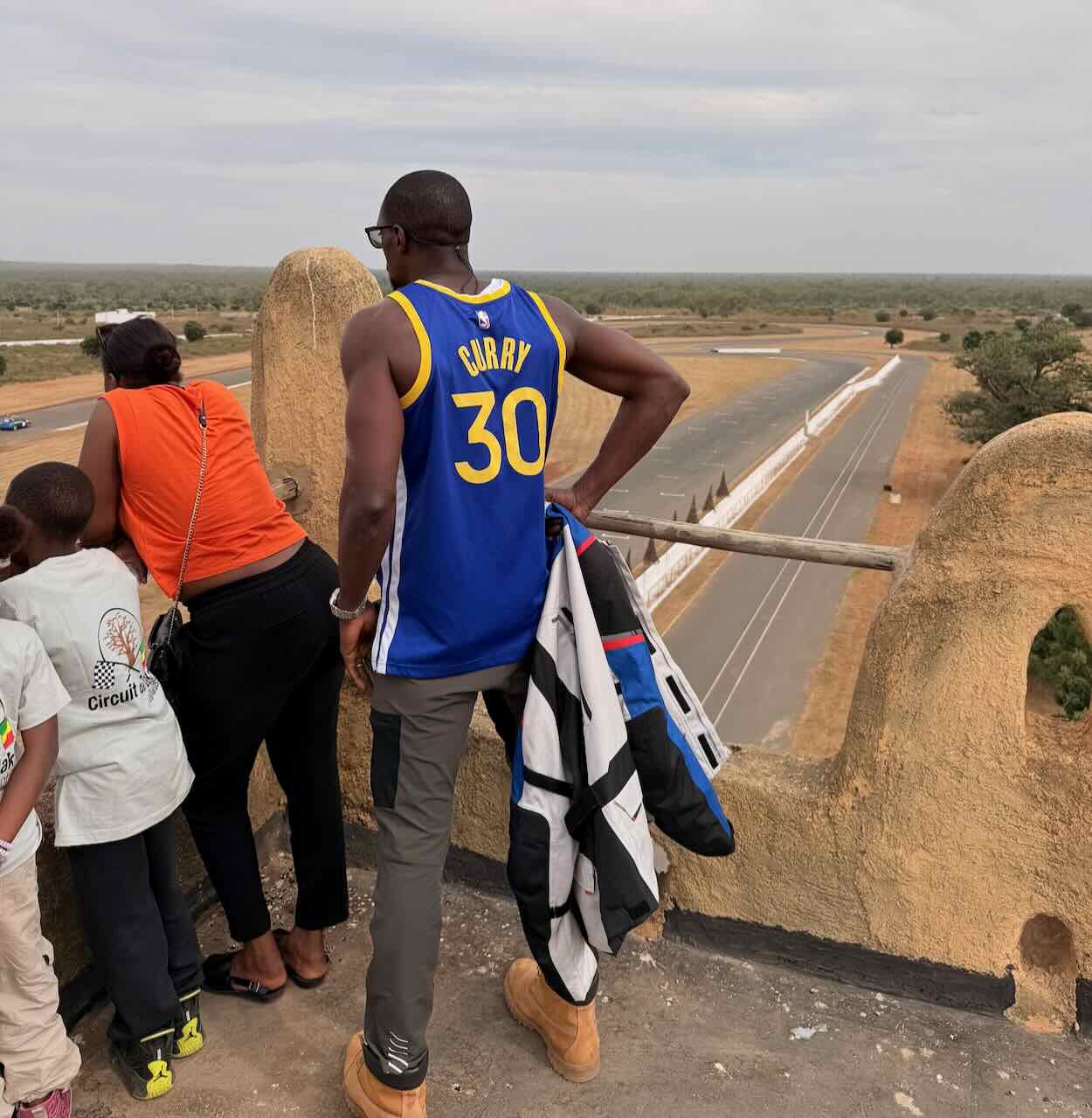
While I was in Senegal, I saw several NBA basketball jerseys worn by locals. The most popular? LeBron James is currently with the Lakers.
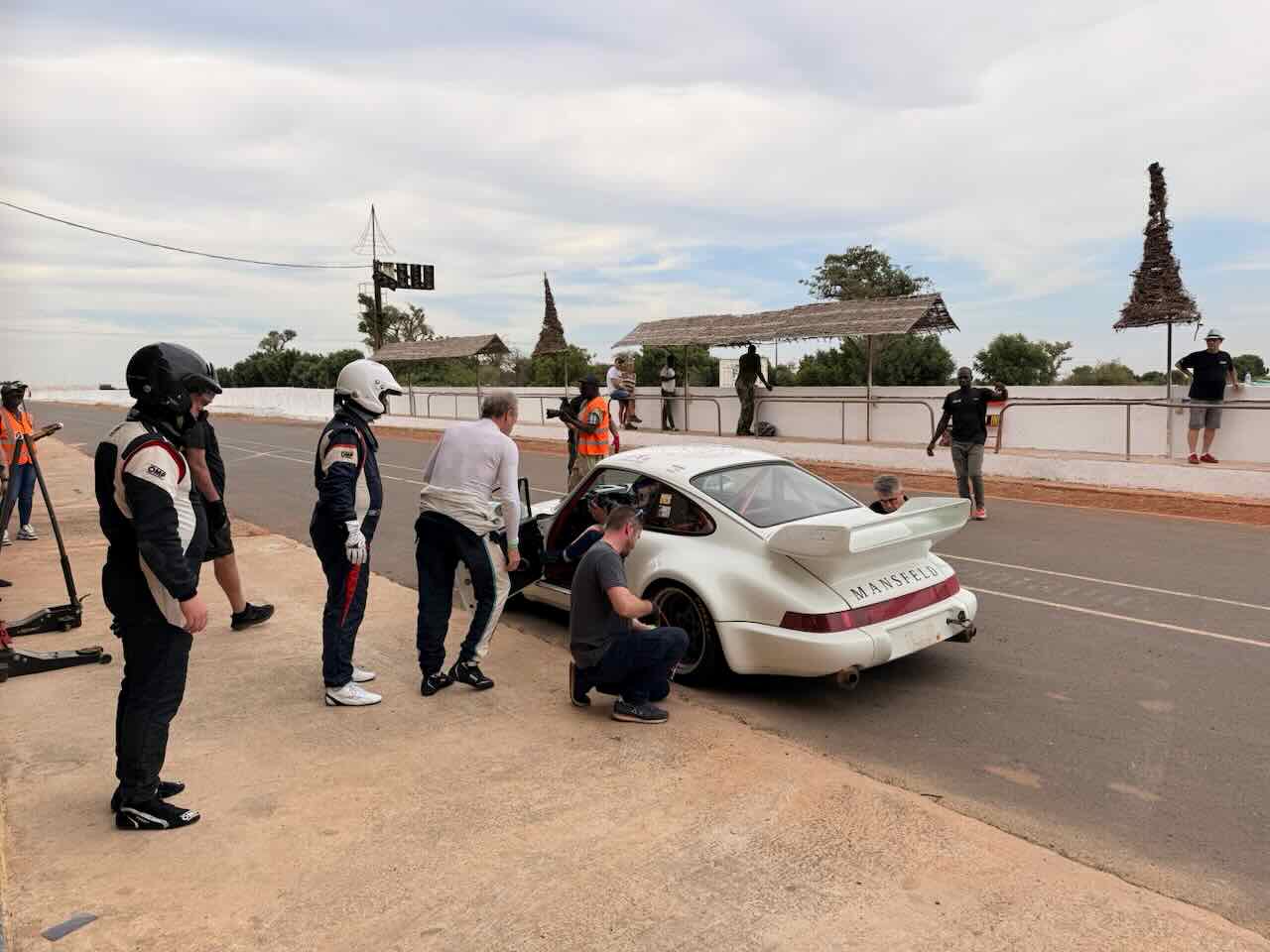
It was fun to watch the drivers after 45 minutes of racing, or so, have the driver exchange. While the crewman checked tire pressure and other things, one driver hustled out of the car, then the next driver hopped in and sped away.
I was somewhat surprised they were racing on Hoosier brand race tires. Hoosier is headquartered in Indiana, as the name suggests. I also saw some tires with the “Zero” brand name. I had never heard of them.
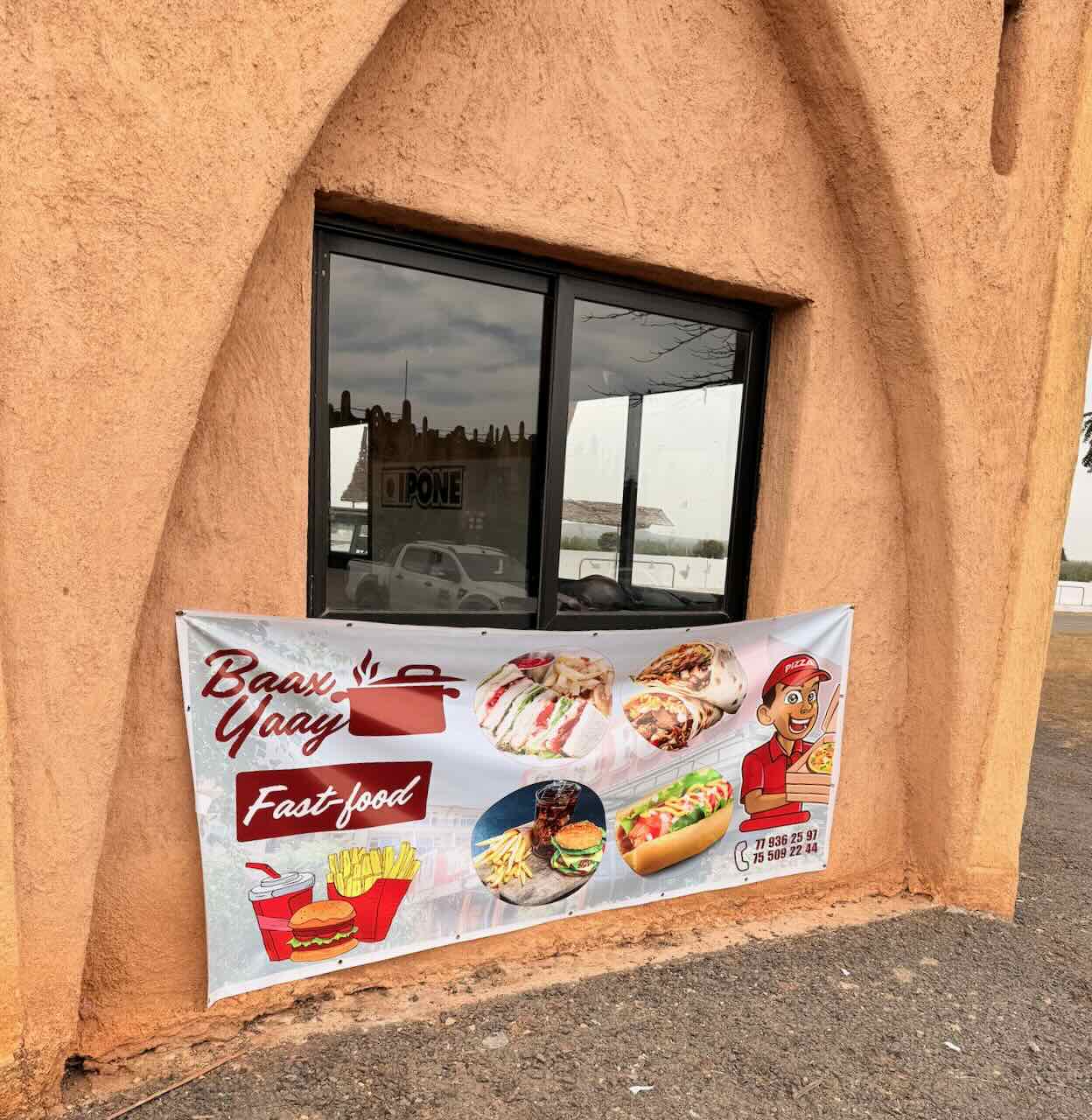
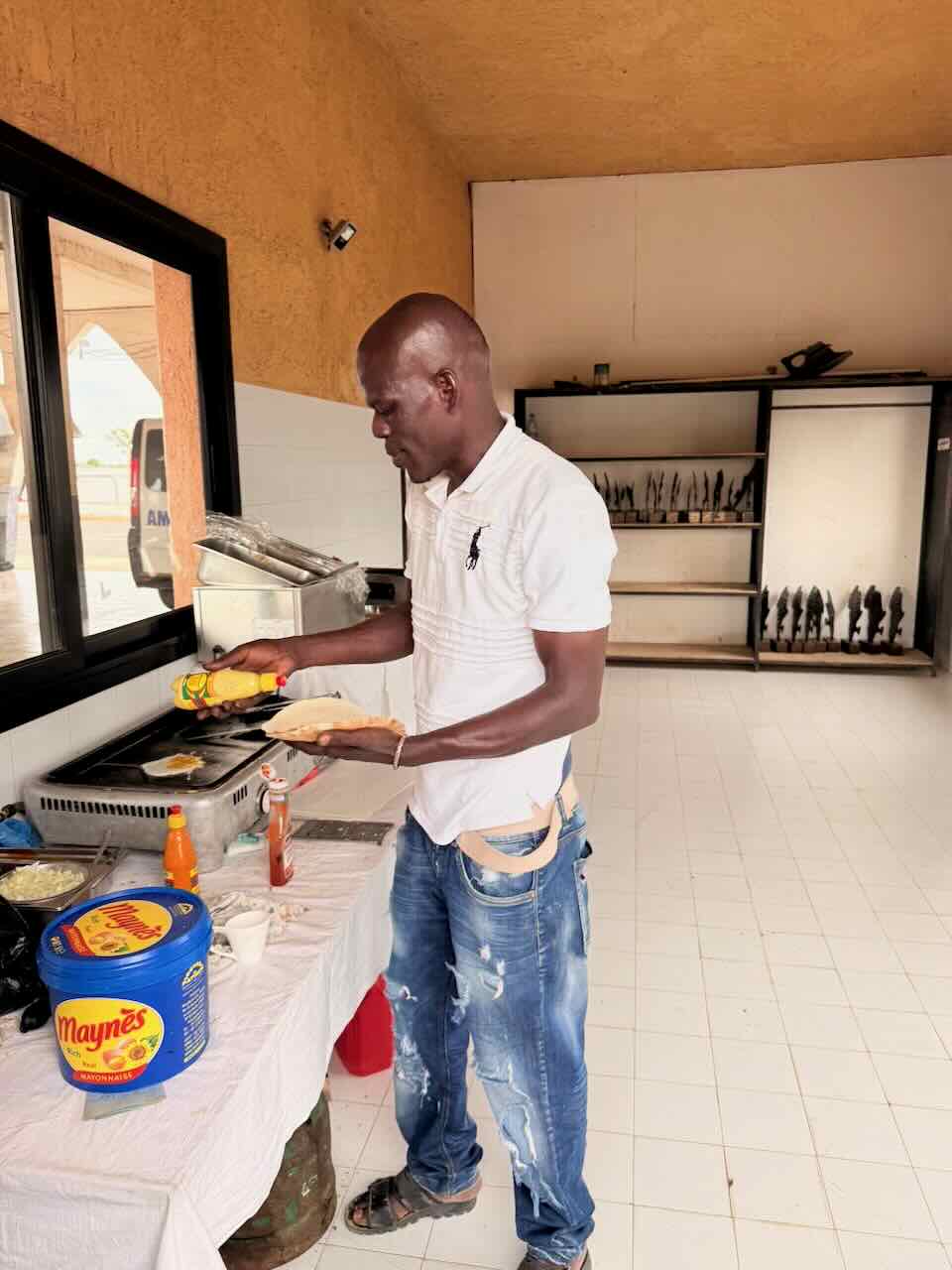
A most unique lunch.
I had my lunch at the track. I connected with a large Senegal man who wanted to know what my order would be. We didn’t speak each other’s language. All I could do was nod and point at the large food menu. I had a hot dog that included a fried egg and a couple of different hot sauces. This was a great cultural experience as well.
I had no money!
I didn’t have ANY local currency. I gave him 5 euros for a bill I thought might be 2 euros. Then we made a non-verbal agreement that I could get another hot dog the next day at no charge. At least that’s what I thought our non-verbal exchange was meant to say!
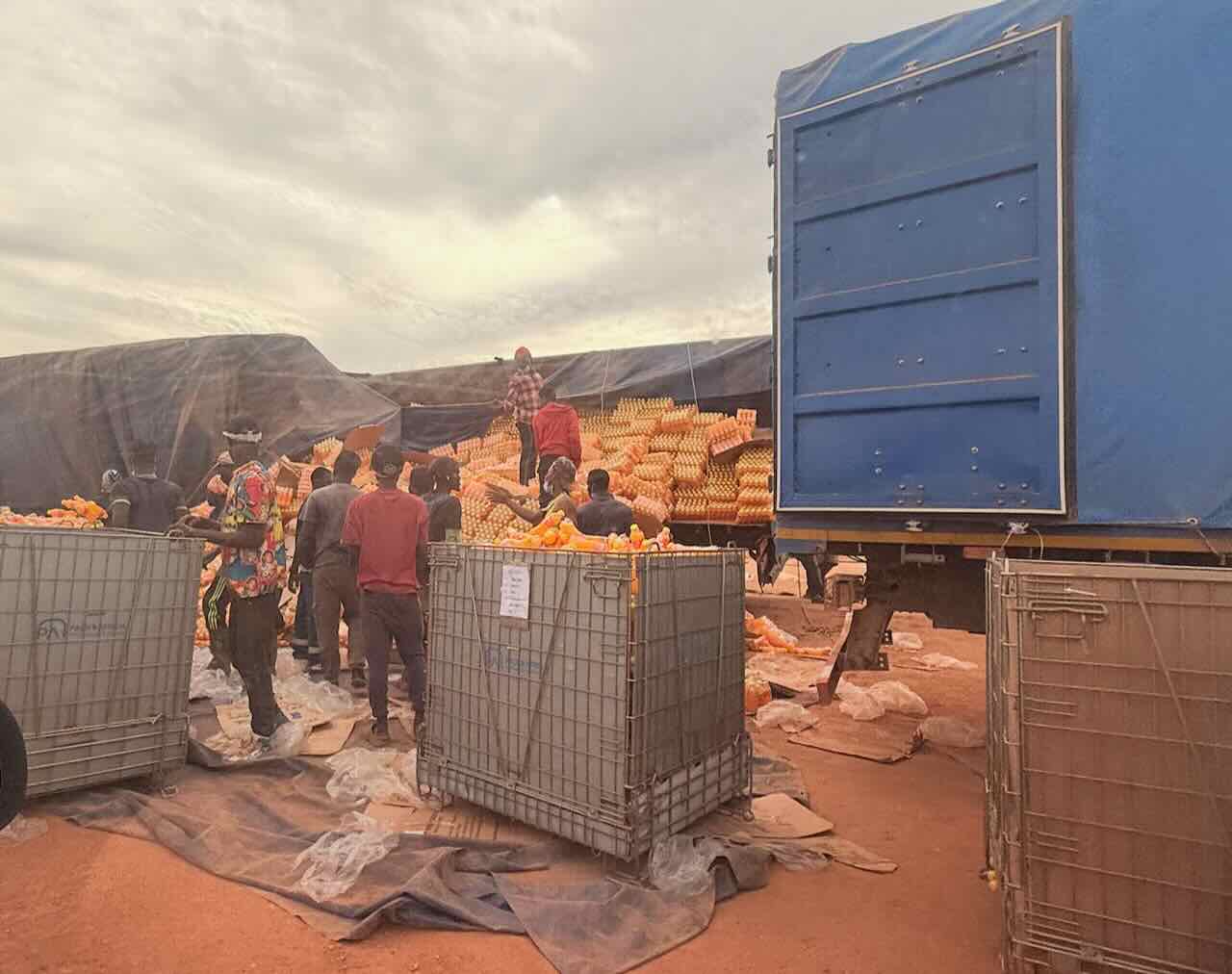
Orange juice accident.
When it was time to leave, just outside the track, there was a lot of commotion. With the rough roads, a full 53-foot container had spilled. The locals were helping retrieve about one million bottles of orange juice onto another trailer!
Everybody eats.
It was always fun to make that ride from the hotel to the track. I did it four times. Jean Andre told me that “everybody eats” in Senegal. What he meant was that everyone worked hard to support their family so that everyone had enough to eat at home. He told me that based on that work ethic, Senegal was a very safe place. Jean Andre said he thought Senegal was safer for his teenage daughter than Brussels, Belgium.
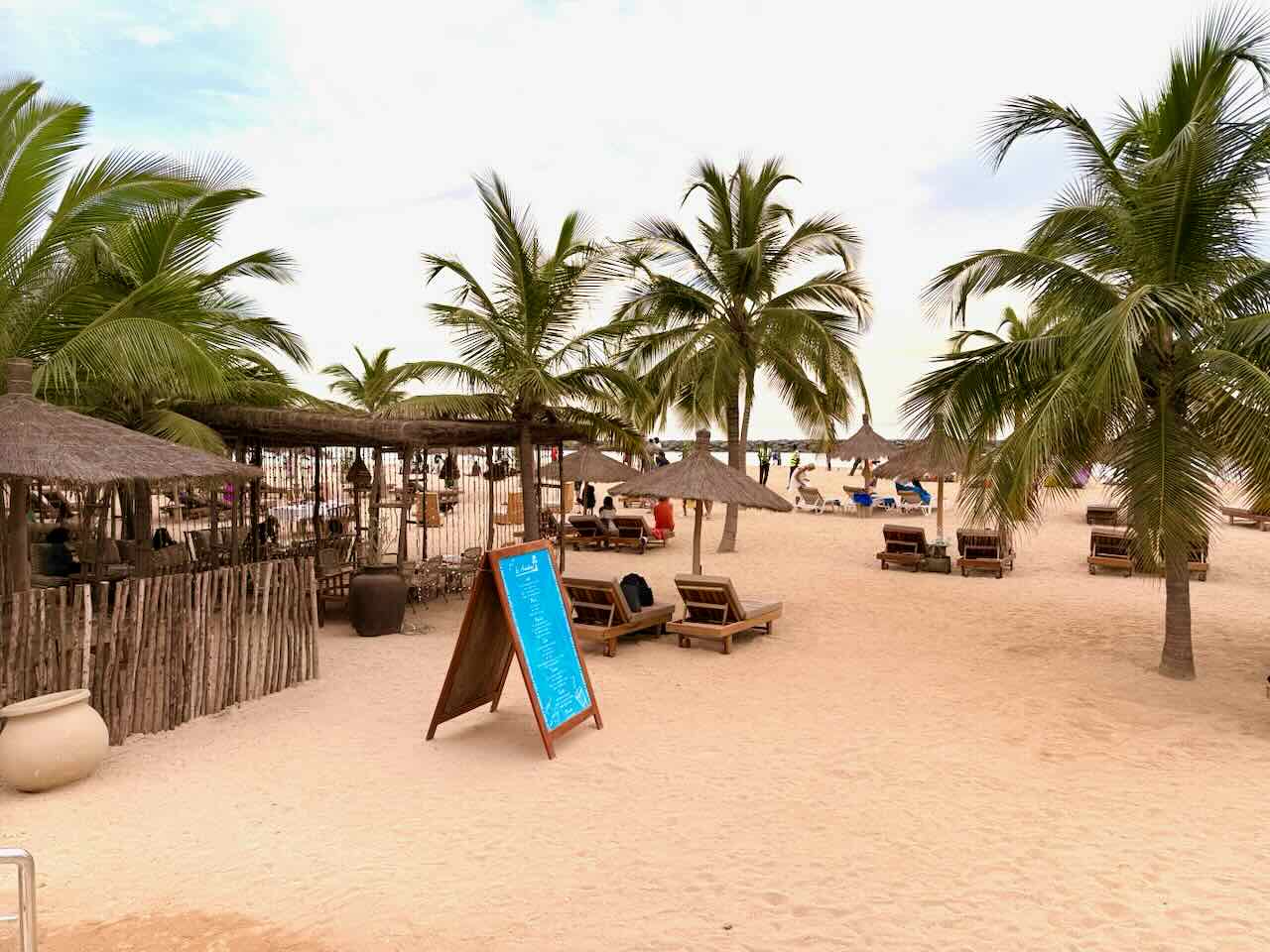
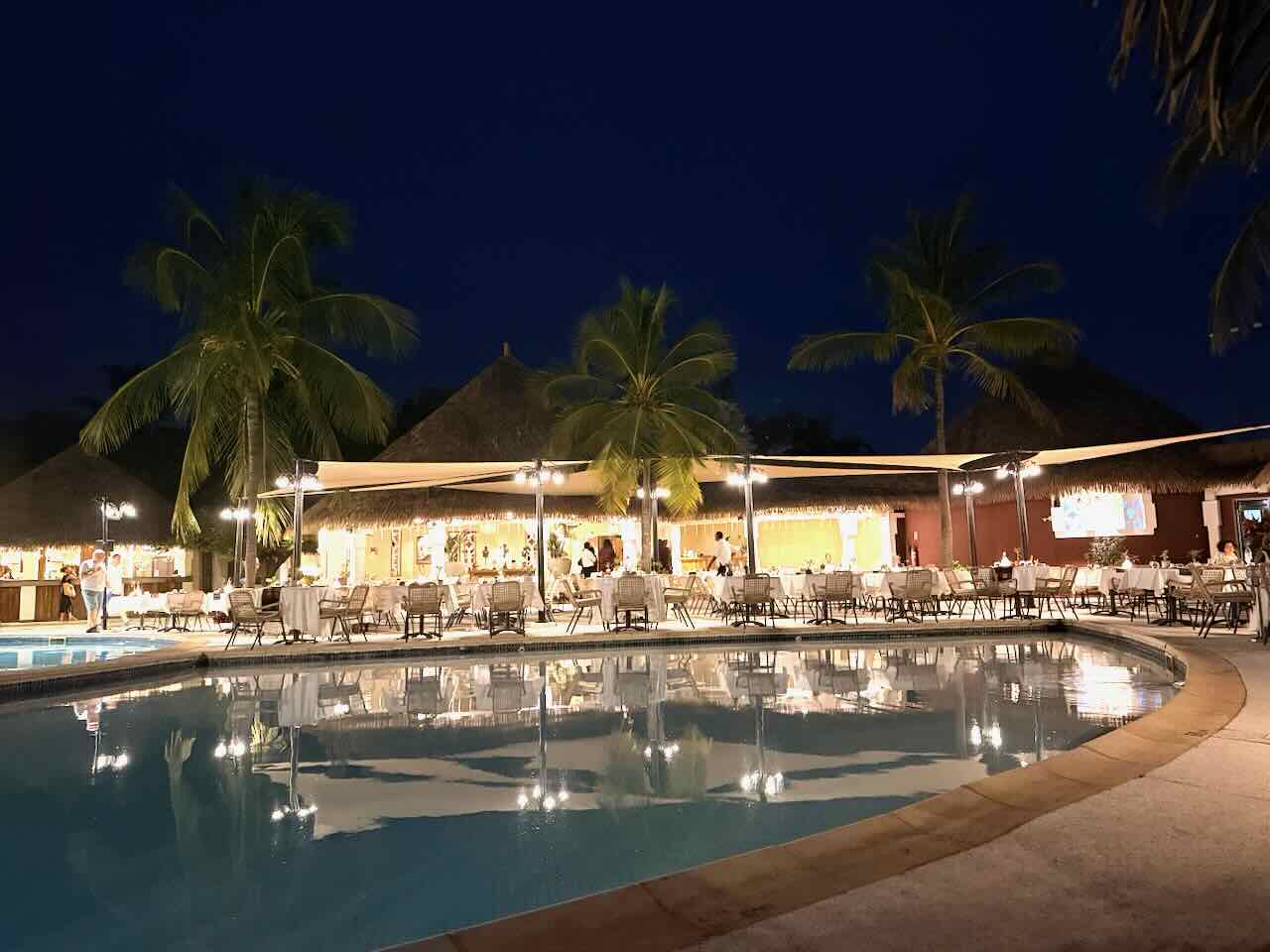
This is the life, right?
Back at the hotel, I took a walk along the beach at the ocean, then just hung out around the pool having a couple of drinks before dinner. The hotel had live entertainment, featuring many English songs, which was excellent.
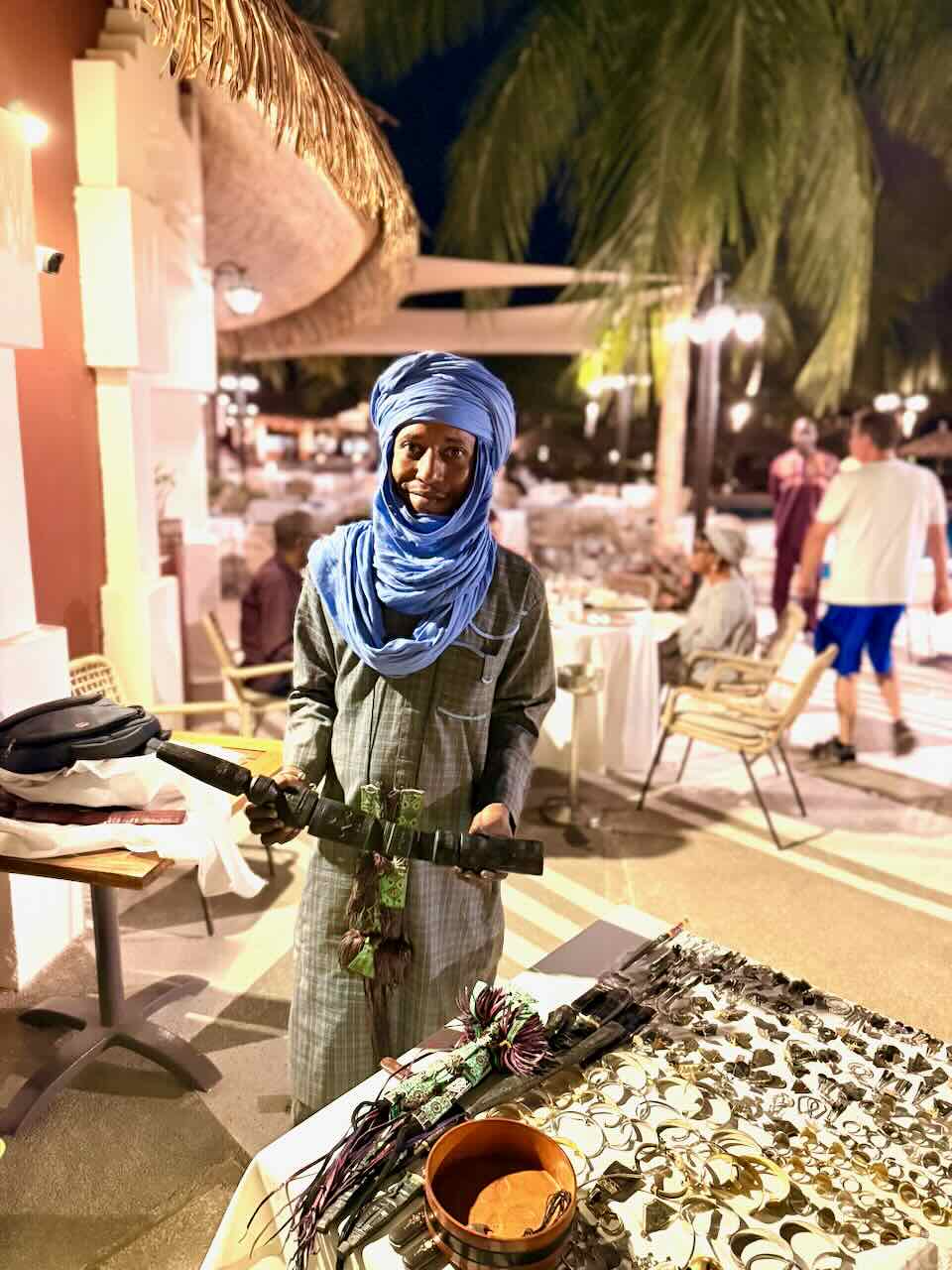
I enjoy meeting new people.
I met a Muslim man who had driven down from the African country of Mali to sell his souvenirs and knives. Really nice guy. He took the time to show me a video on his phone of how the knives were handmade and shaped over an open fire.
‘
My last day in Senegal.
On Sunday morning, it was time to check out of the Hotel Royam. Then it was another cultural experience during the drive from the hotel to the Circuit de Dakar Baobabs.
I had already met the trackchasing requirements for “counting the track” in Senegal by watching yesterday’s three-hour race. However, I wanted to come back today and see the final three hours of a six-hour endurance race.
All of the cars that had fallen out of yesterday’s race were now repaired. They started a dozen vehicles today. I had already explored just about every aspect of the overall facility.
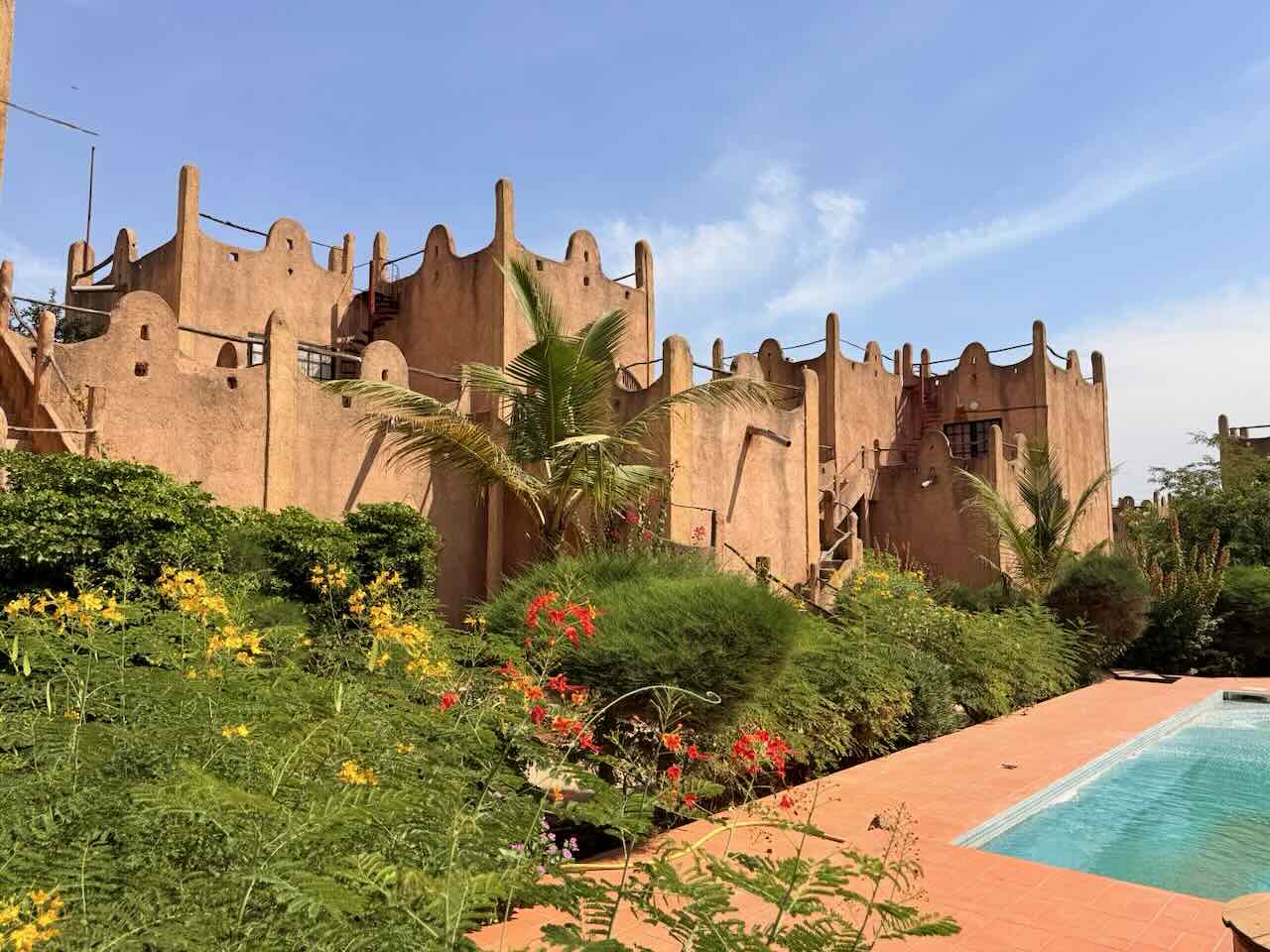
Checking out the residential compound.
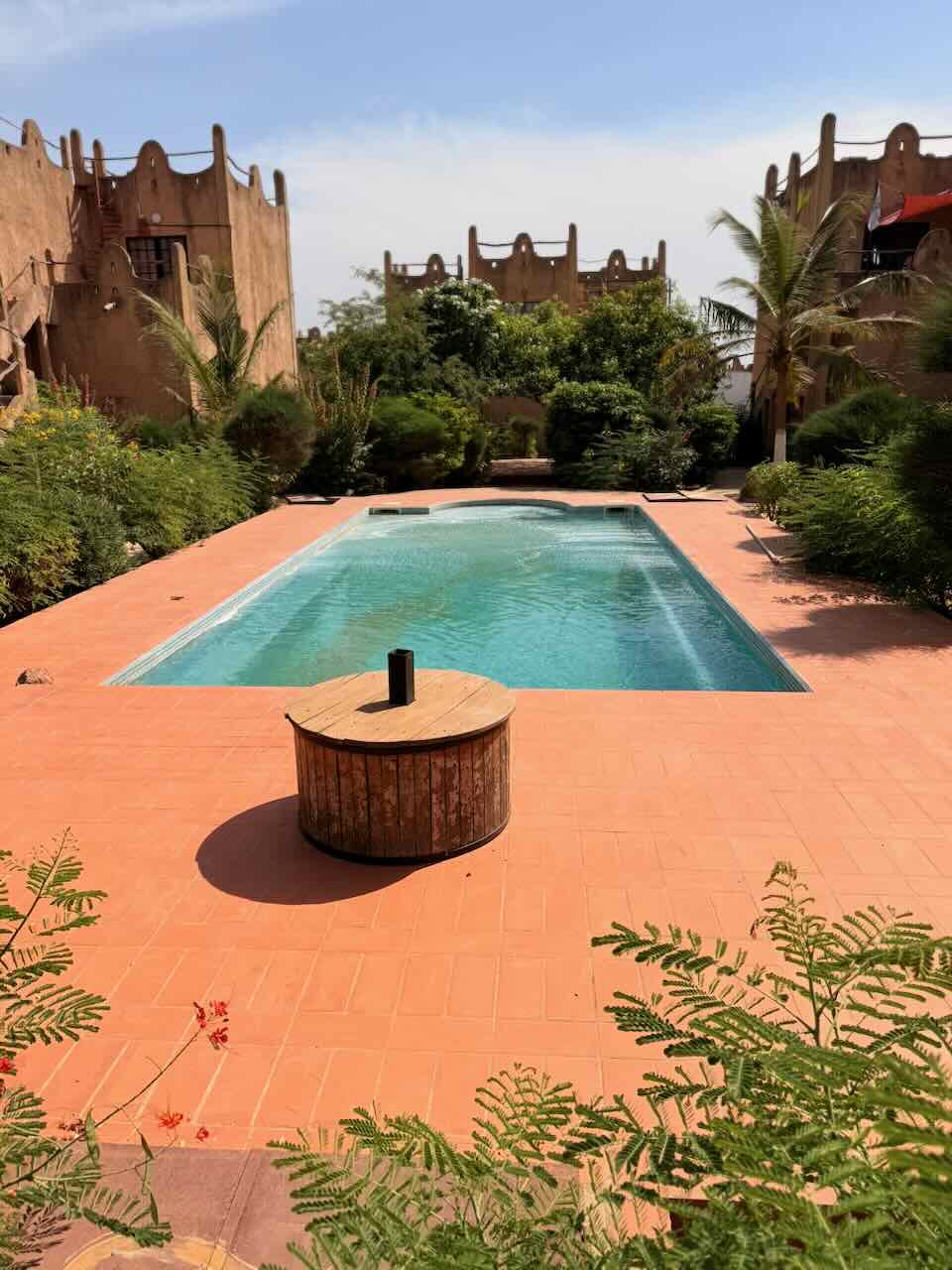
I went back to take more close-up photos of the residential compound built for drivers who wanted a home at the track in Senegal and a place to store their race cars. It appeared to be a very nice living facility. They even had a beautiful swimming pool in the center of the complex.
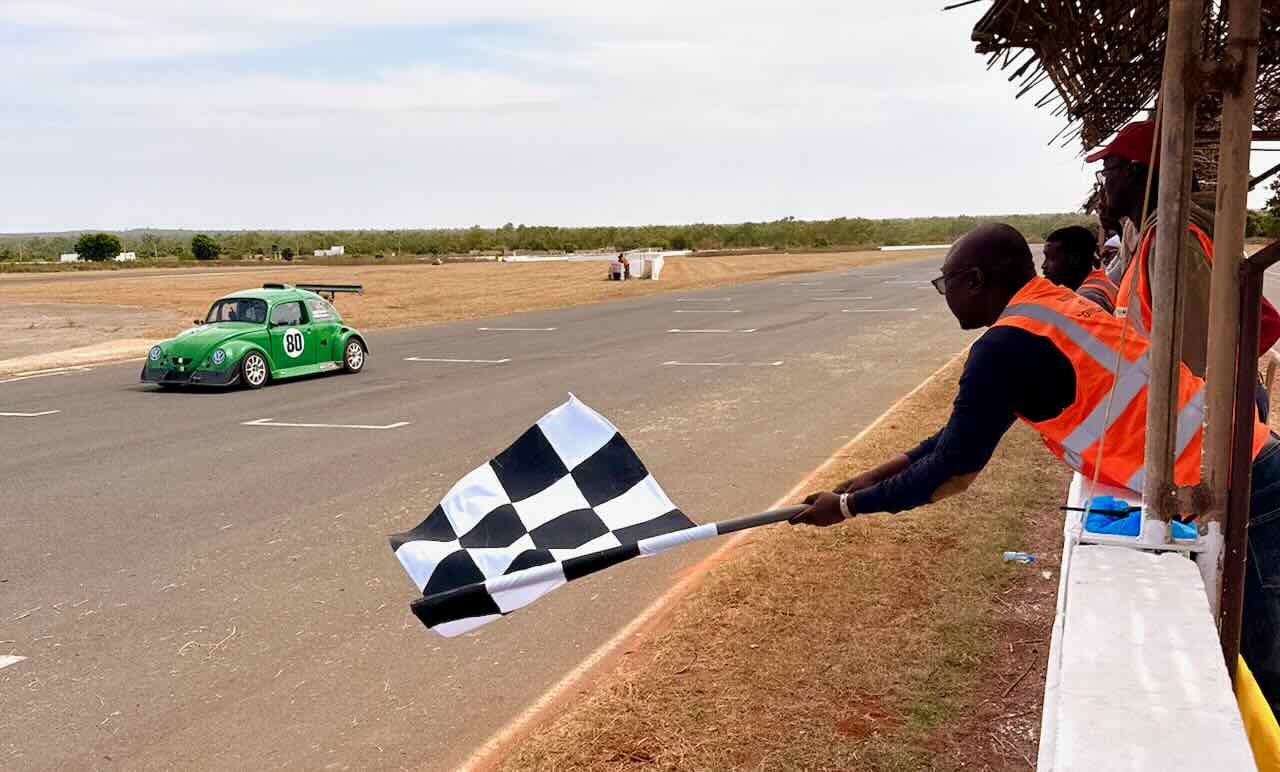
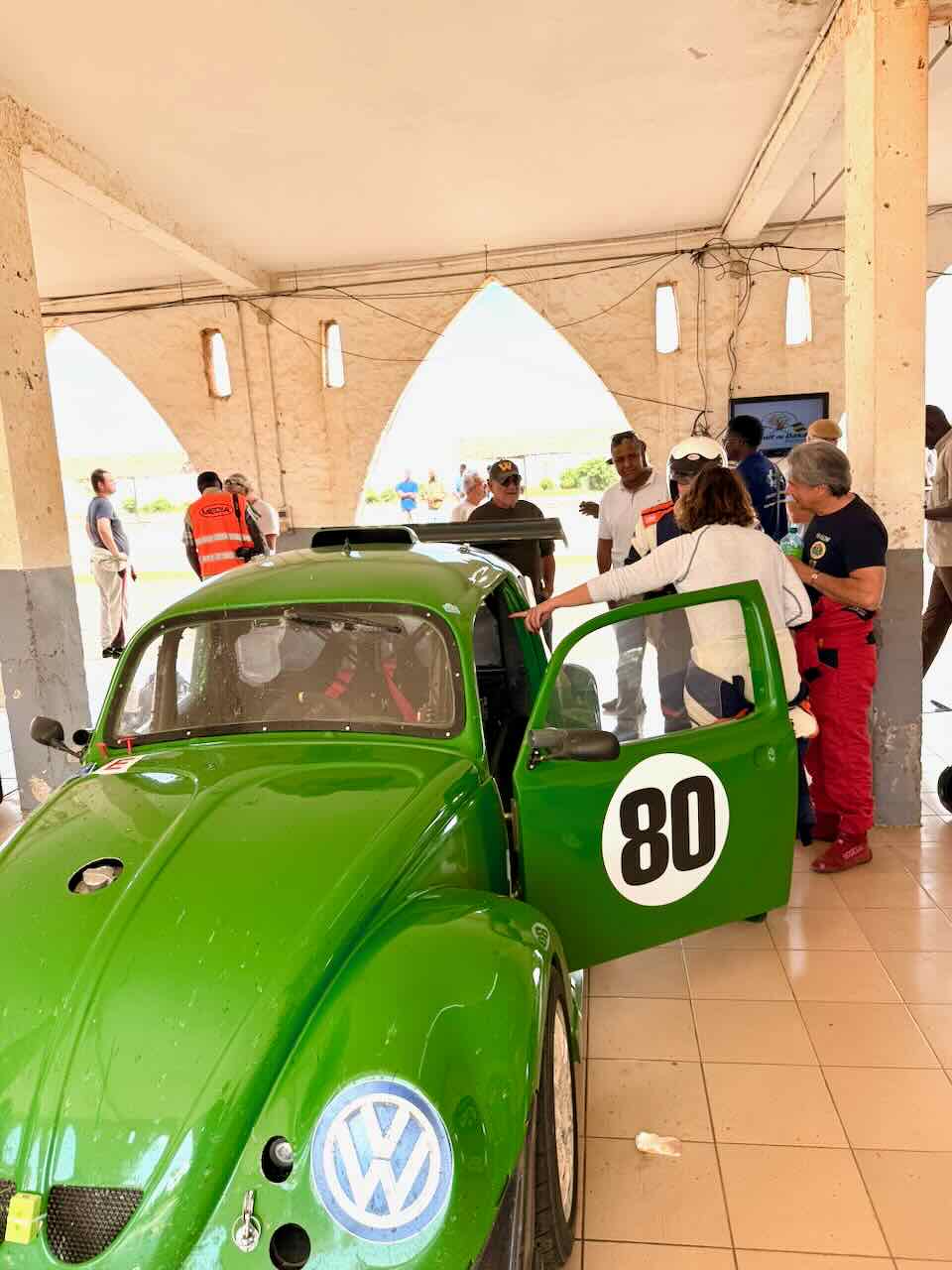
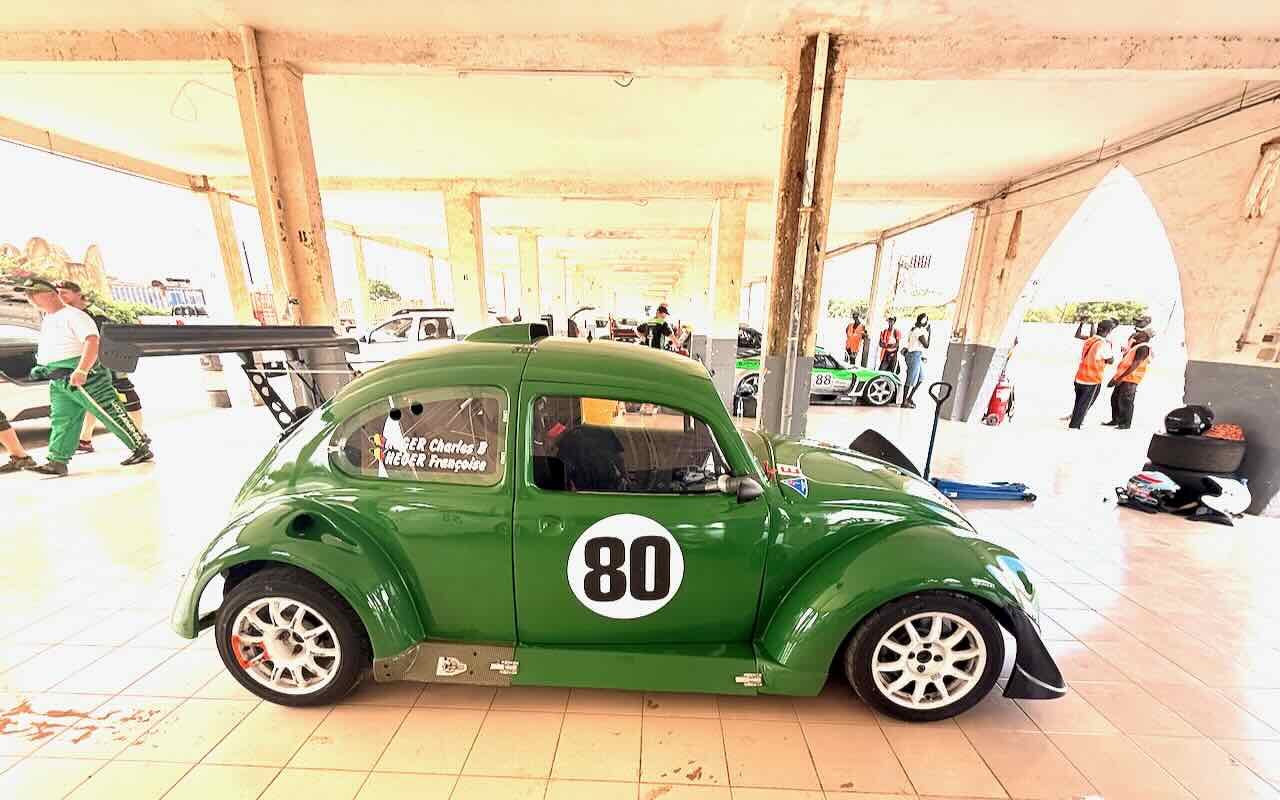
Winner!
Today, the fastest car didn’t win the race. Remember, this is an ENDURANCE race. A guy driving a beautiful green Volkswagen Beetle was the winner. What a paint job! This team was solid over the entire six hours and deserved the victory.
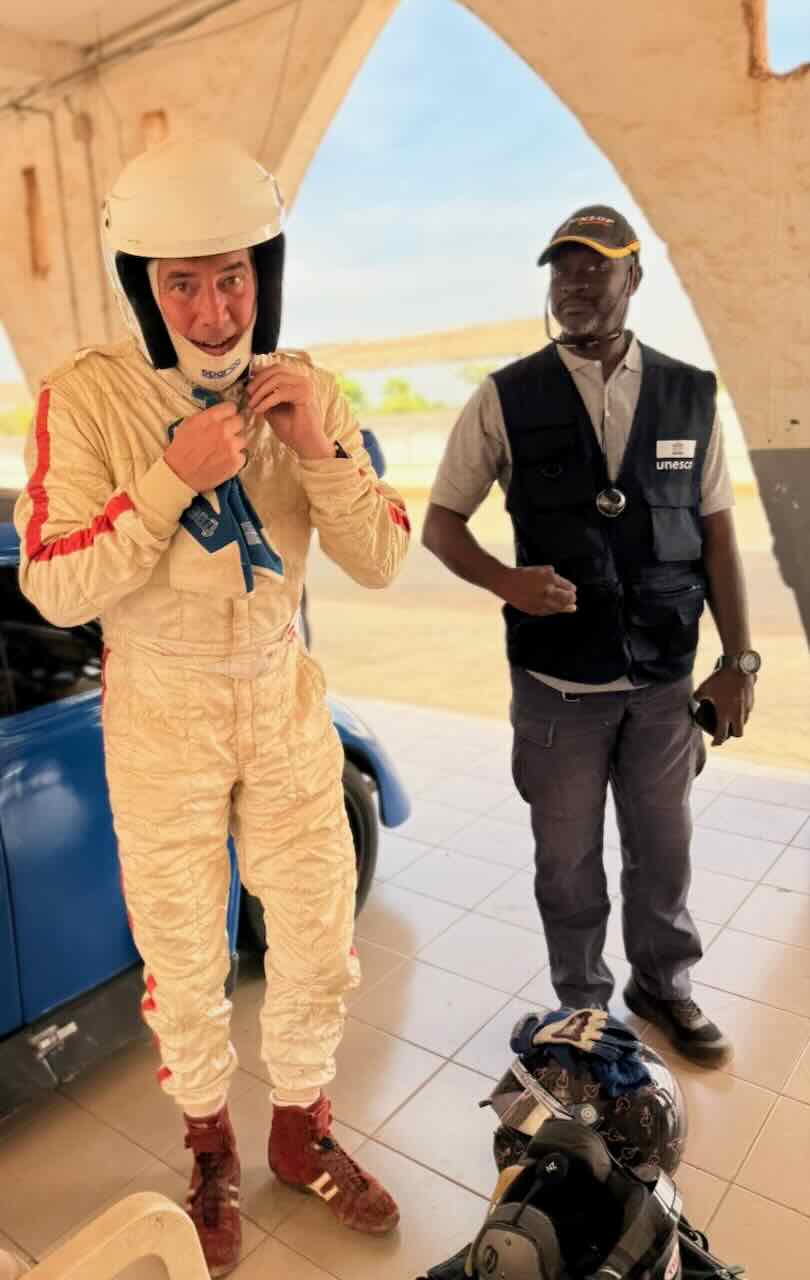
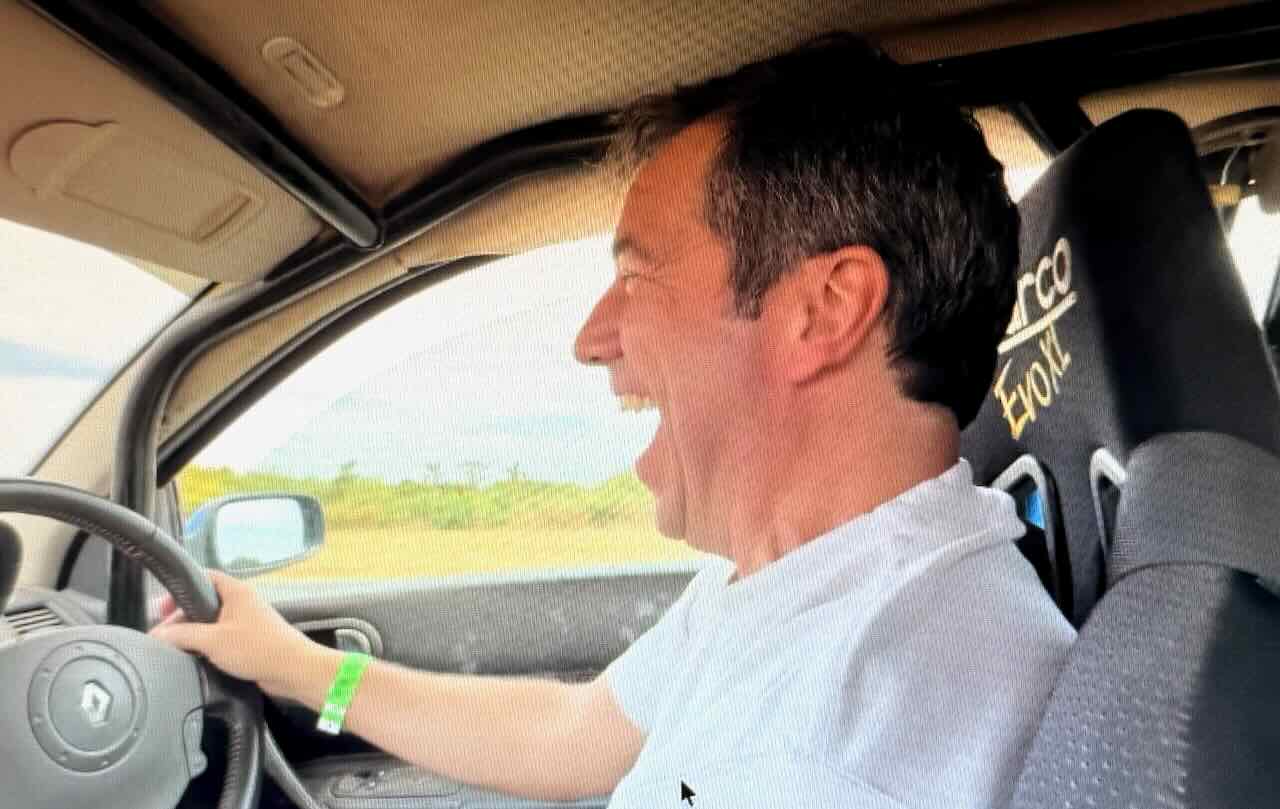
When Jean Andre got out of his Volkswagen Beetle at the end of the race, I had just enough time to thank him and congratulate him on everything he and his family have done for racing in Senegal. They built a first-class race facility with so many extras, all on their own money. It was my good fortune to meet up with Jean Andre in advance of my trip to Senegal.
One last African tour.
From there, I met up with my driver, Francis, who had been patiently waiting for me. We headed off to the capital city of Senegal, Dakar. We were going to take a driving tour with some walking to see the sights of Dakar.
I mentioned I had stopped briefly in Dakar about 15 years ago with J.J. Back then, we didn’t have much time because we were headed to South Africa. We did have enough time to visit the Island of Gorée, the number one spot for visitors to Senegal.
Impressive and unexpected.
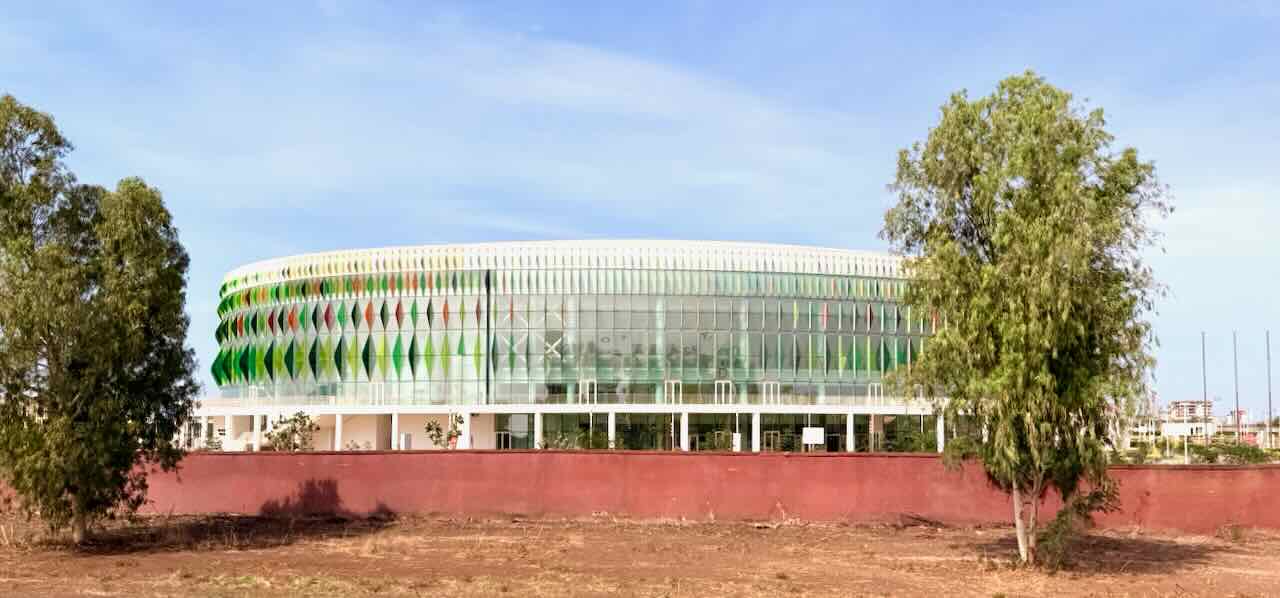
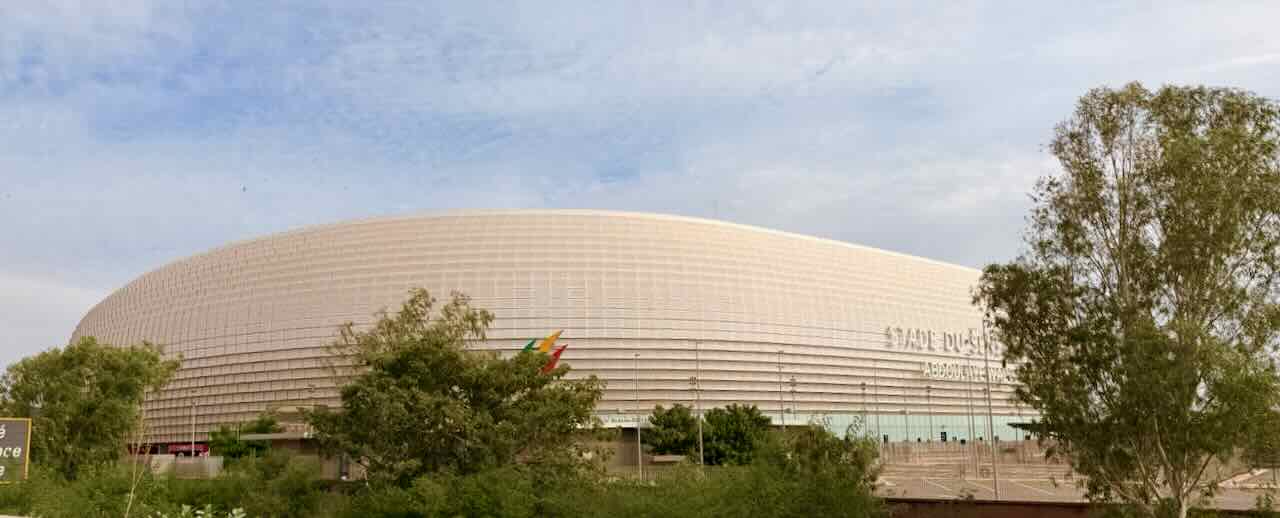
It was nearly a one-hour drive from the race track to Dakar. On the outskirts of the city, we passed by two sports arenas, one for football, which is really soccer, and the other for basketball.
I have been to my share of sporting arenas, probably a couple of hundred or more. From the outside, I have never seen facilities as impressive as those in Dakar. That did surprise me.
Dakar, the city.
We continued into the city, passing by the Presidential Palace and several other impressive buildings. In this part of town, Dakar reminded me of an American midsize city. The population of Dakar is 1.4 million, so it’s not really that small.
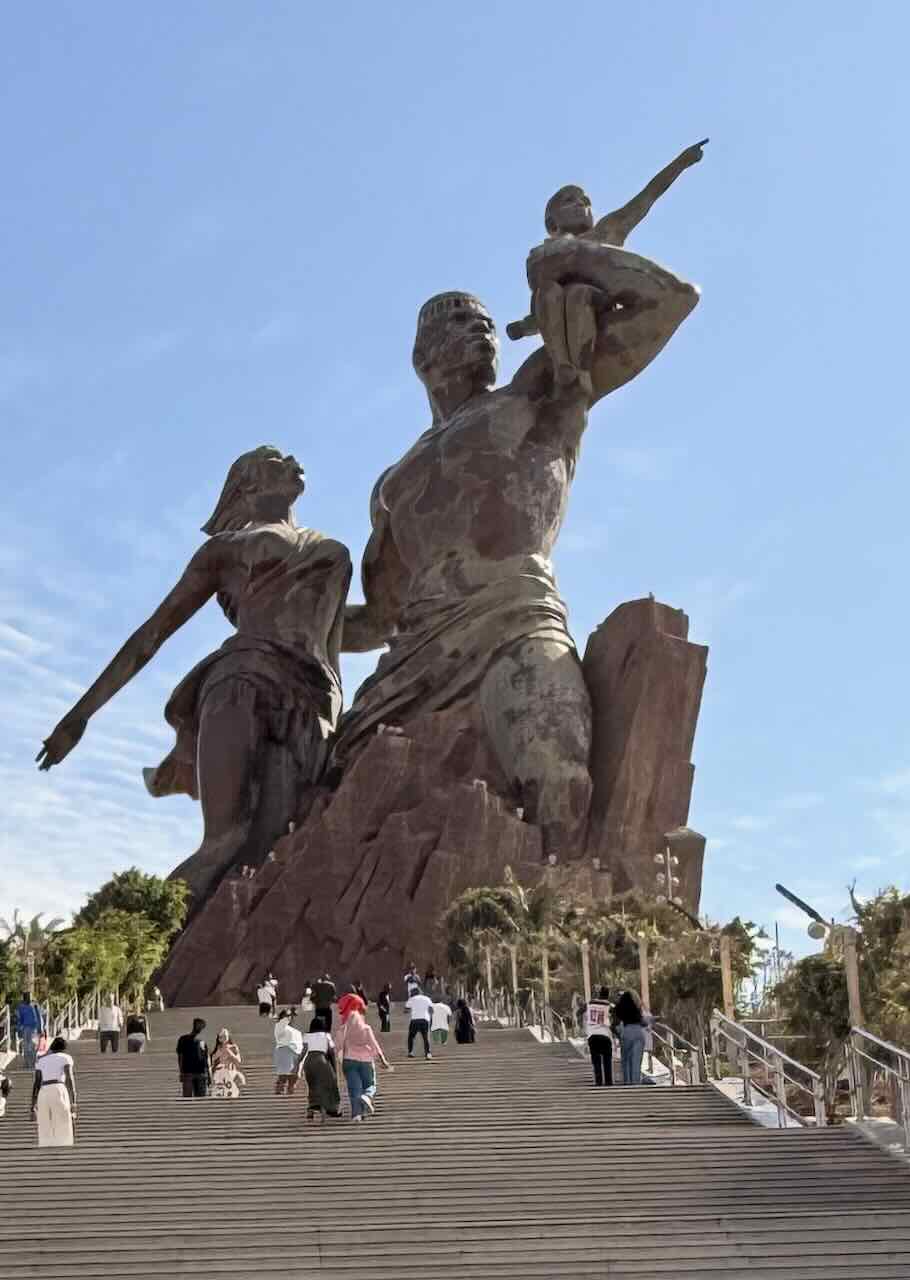
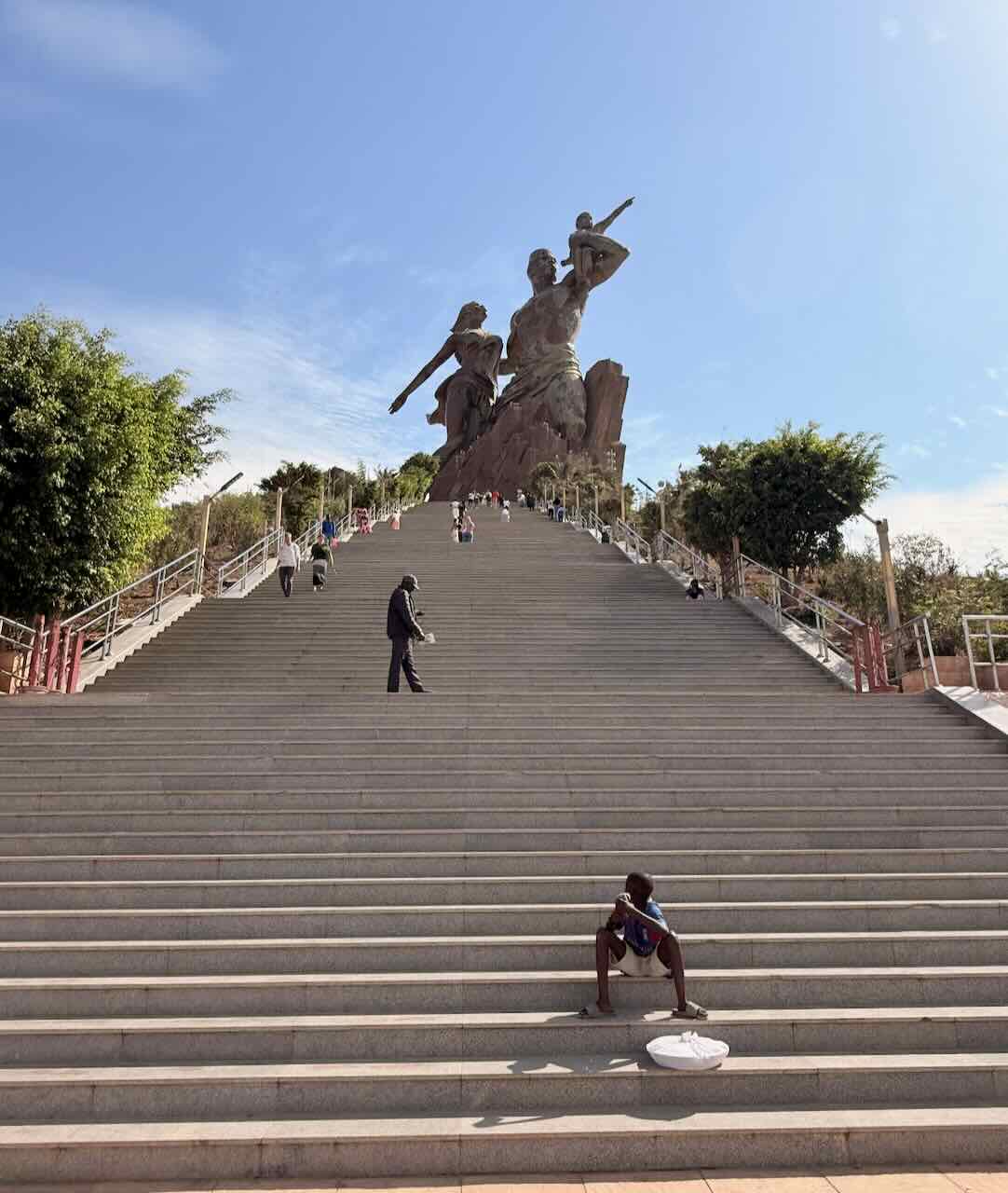
African Renaissance Monument.
We had a chance to see a massive monument, the African Renaissance Monument. This monument is 164 feet tall, taller than the Statue of Liberty. Francis asked me if I wanted to walk up the steps to get a closer look at this monument. I looked at the steps, considered that I had been at the racetrack for several hours today and that the temperature was in the high 80s. I declined that walk. In hindsight, that climb might have been fun. But that’s only in hindsight!
Would this be part of your travel plan?
I had been searching for the past few days for the best way to get back home to California from Senegal. I was planning to “non-rev.” That means I was going to fly standby.
Getting from Senegal to Los Angeles would require at least one stop, and possibly more. The total flight time would be around 18 hours.
The positioning flight.
I decided it might be best to take a “positioning” flight. That meant I might fly somewhere else in the general direction of Los Angeles, spend the day there, see what I could see, stay the night, and then resume my trek to sunny Southern California.
I probably checked out at least 25 options, and there were many more I could’ve considered. In the end, I decided I would fly to Madrid, Spain, on a nonstop flight that left Senegal at about 10 p.m. on Sunday. That would put me in Madrid just after 4 a.m. on Monday.
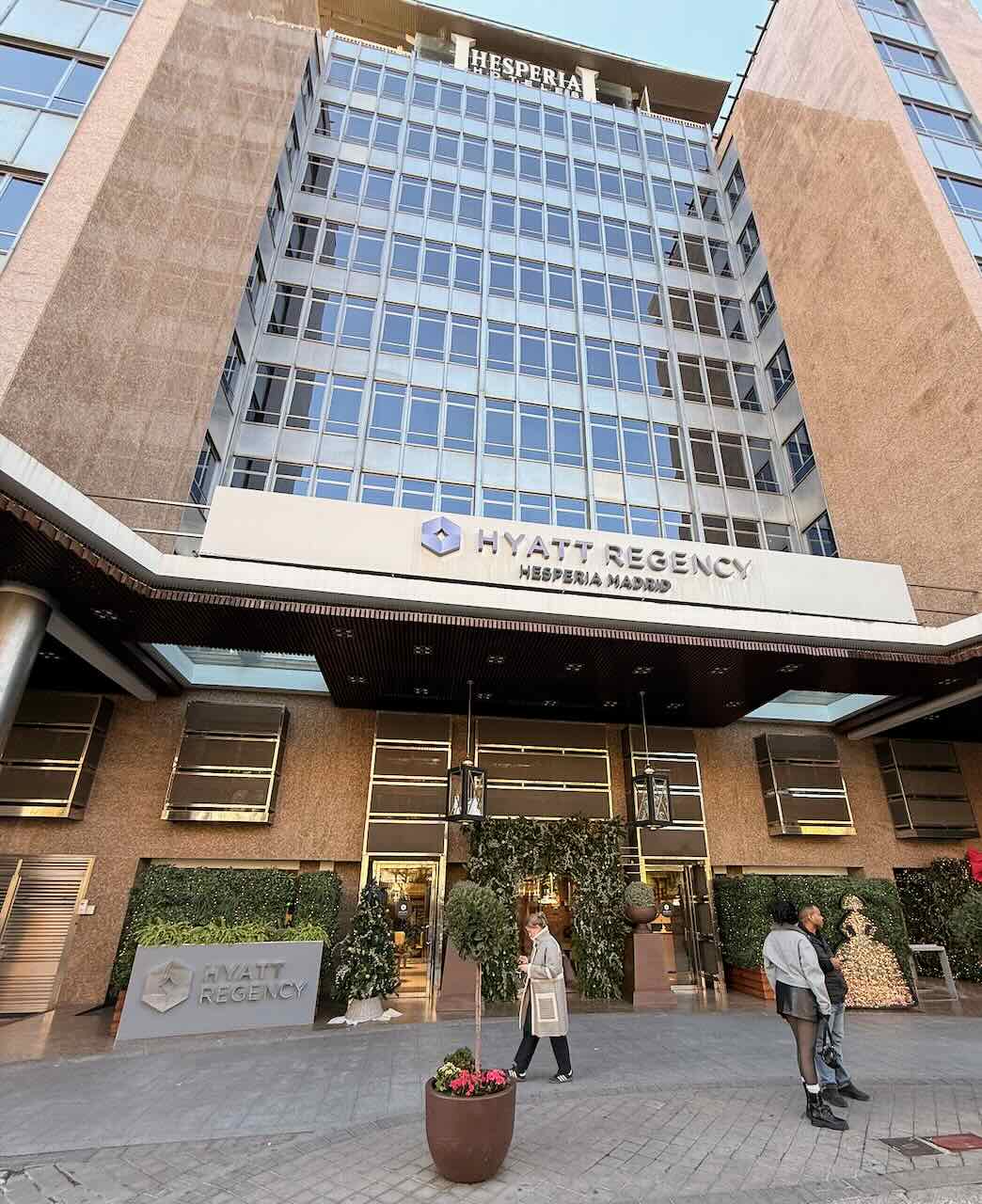
I liked the idea of stopping in Madrid. I could stay in a Hyatt Regency hotel, and I hadn’t been in a Hyatt on this trip since I left Ethiopia.
By the time I got my checked bag and got everything organized in Madrid, it was approaching 6 a.m. I grabbed an Uber and headed to the Hyatt.
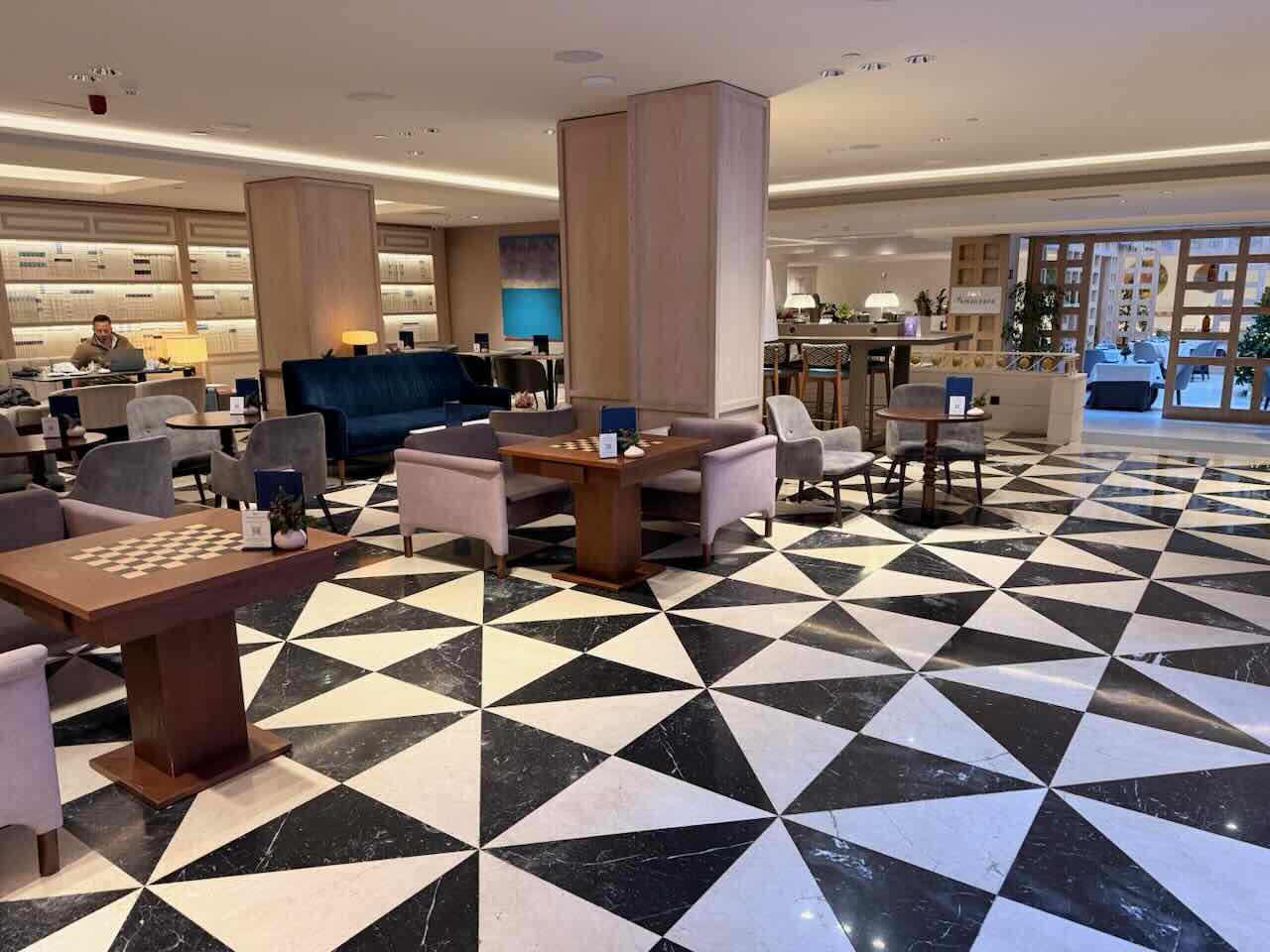
Hello, it’s me. Do you have a room?
As a globalist with Hyatt, the highest level in their frequent-stay program, I planned to throw myself on the mercy of the court and see if I could check in at 6 a.m. Hyatt is noted for doing just about anything when a globalist makes a request.
My request for a 6 a.m. check-in was granted for no extra charge. I’ve done this successfully a few times, and I can’t recall ever being turned down.
The Madrid plan.
The plan would be to sleep from 6 a.m. until about noon, which should help catch me up on sleep, and then take a walking tour of Madrid and find a good place for lunch.
The sleeping part worked. I did some Google searching for a restaurant that featured paella, a famous dish in Spain. I found the highly rated Casa Benigna restaurant. This is how AI describes paella.
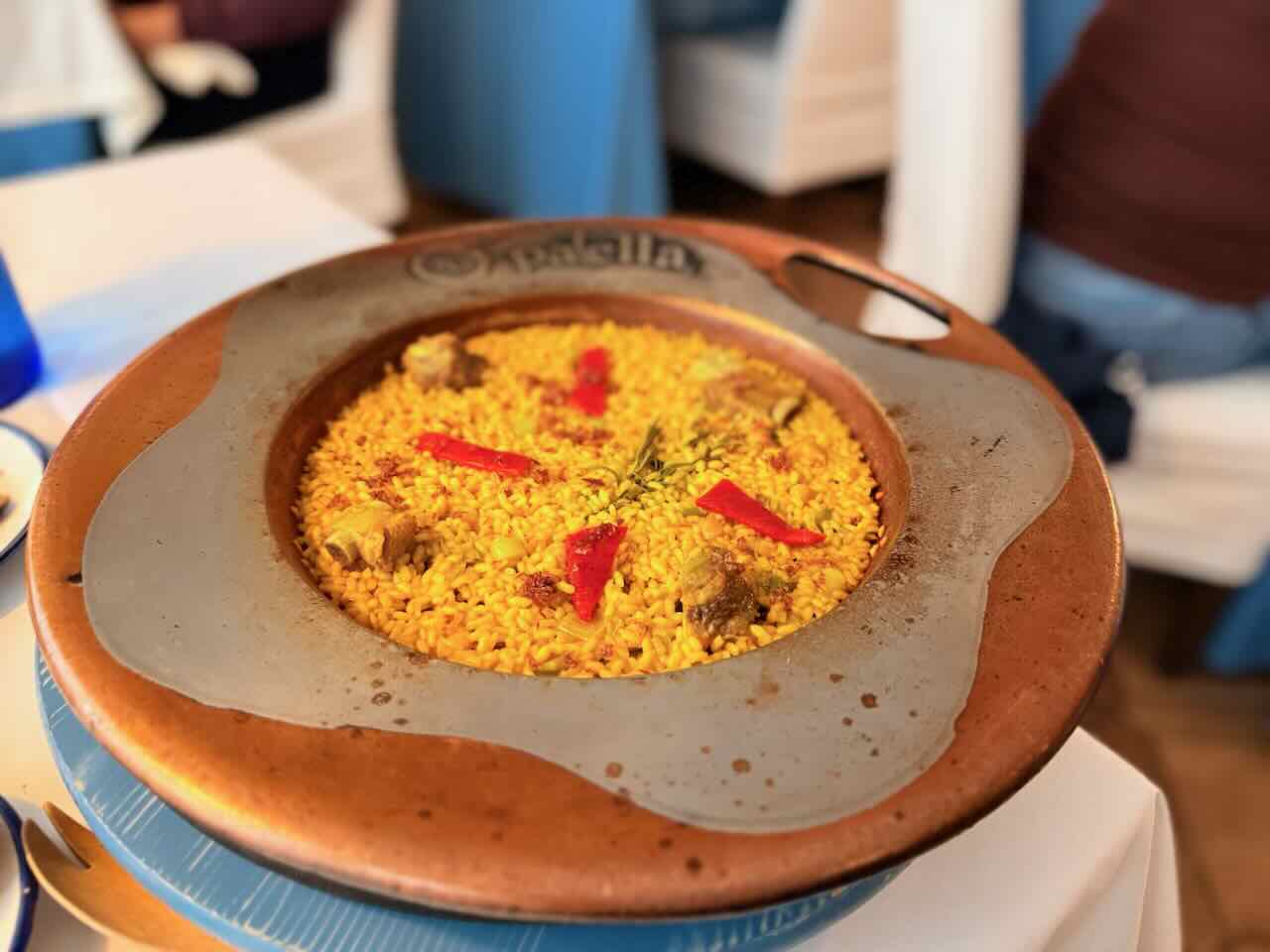
“Paella is a vibrant Spanish rice dish from Valencia, cooked in a wide, shallow pan, traditionally featuring short-grain rice, saffron for color and flavor, vegetables (like beans), and proteins such as chicken, rabbit, or seafood, forming distinct versions like Paella Valenciana (meat/veg) or Paella de Marisco (seafood). Its essence lies in the flavorful broth, plump rice grains that don’t stir into mush, and often a coveted crispy bottom crust called the socarrat, making it a celebratory social meal.”
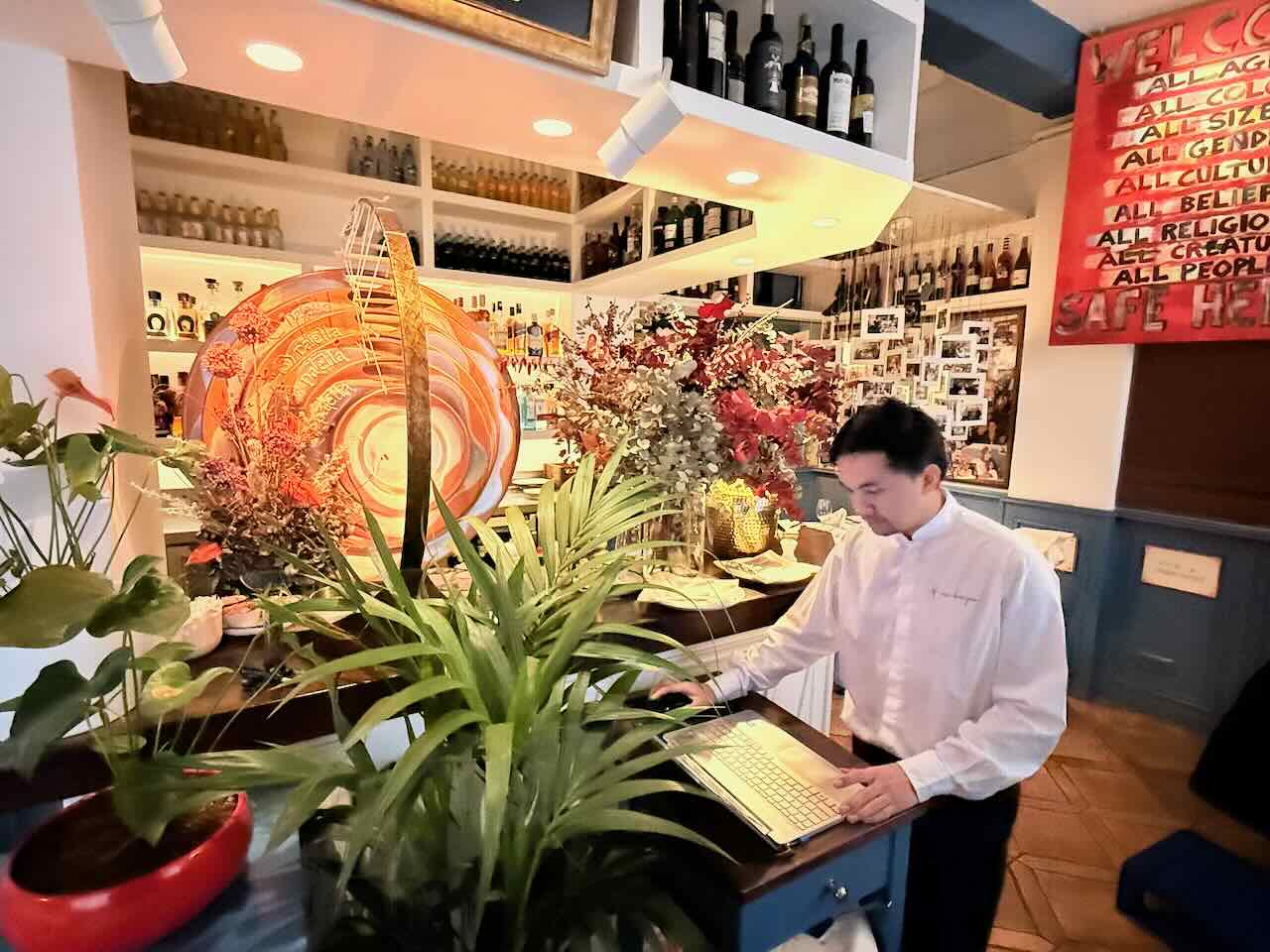
I grabbed another Uber to get over to the restaurant, walked in, and found it to be a small place. They had five or six tables. It was 2:30 in the afternoon, which is about when people in Spain have lunch.
No paella for me?
The lady who greeted me asked me if I had a reservation. I did not. I hadn’t really thought of that. She told me that they were full, but if I came back in an hour, she would have something for me. I did just that.
While I waited for that hour to pass, I took a walking tour of the local neighborhood. People were relaxing in parks, doing their daily errands, and everyone seemed to be enjoying everyday life in Madrid, Spain.
Real good!
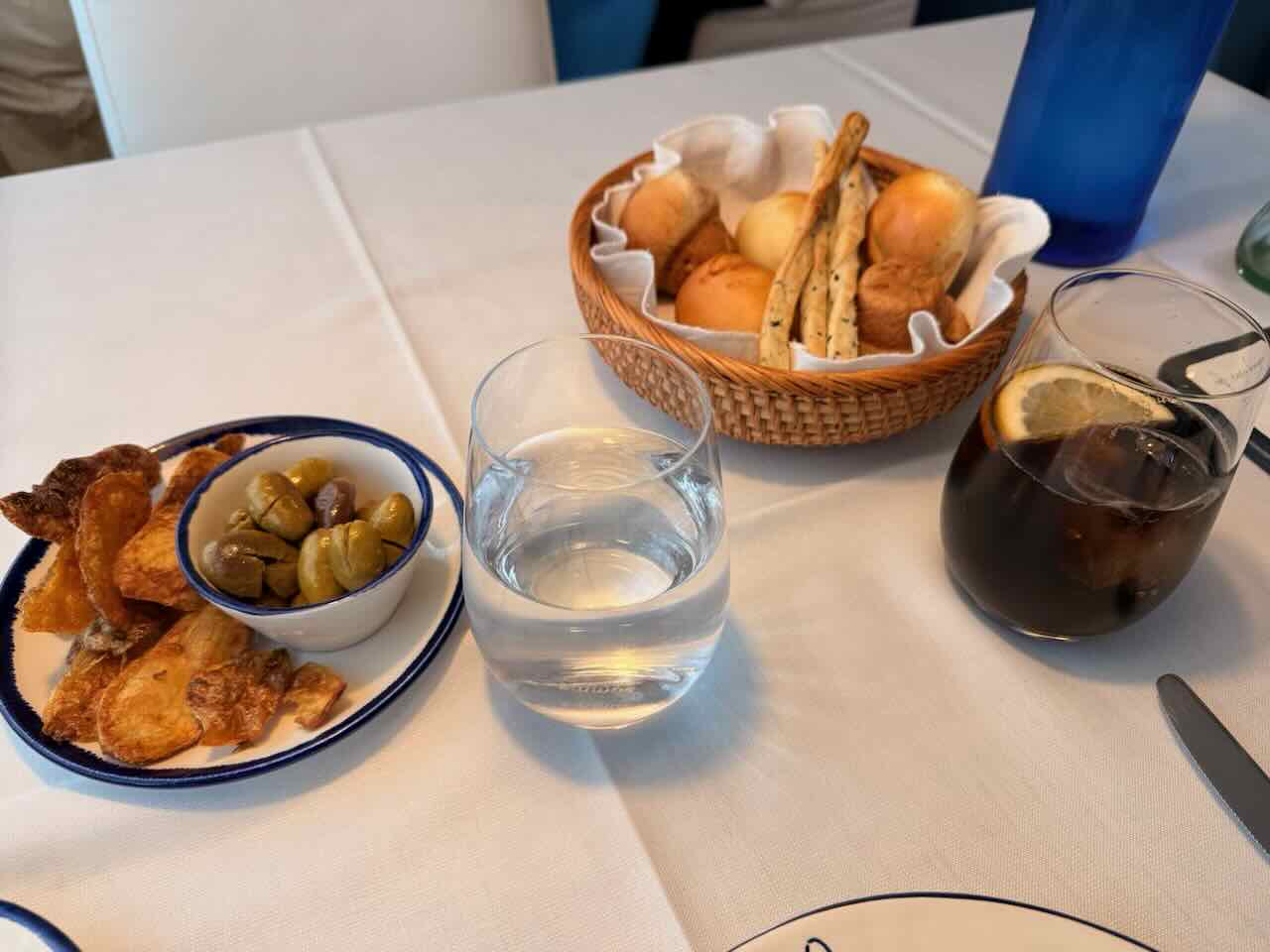
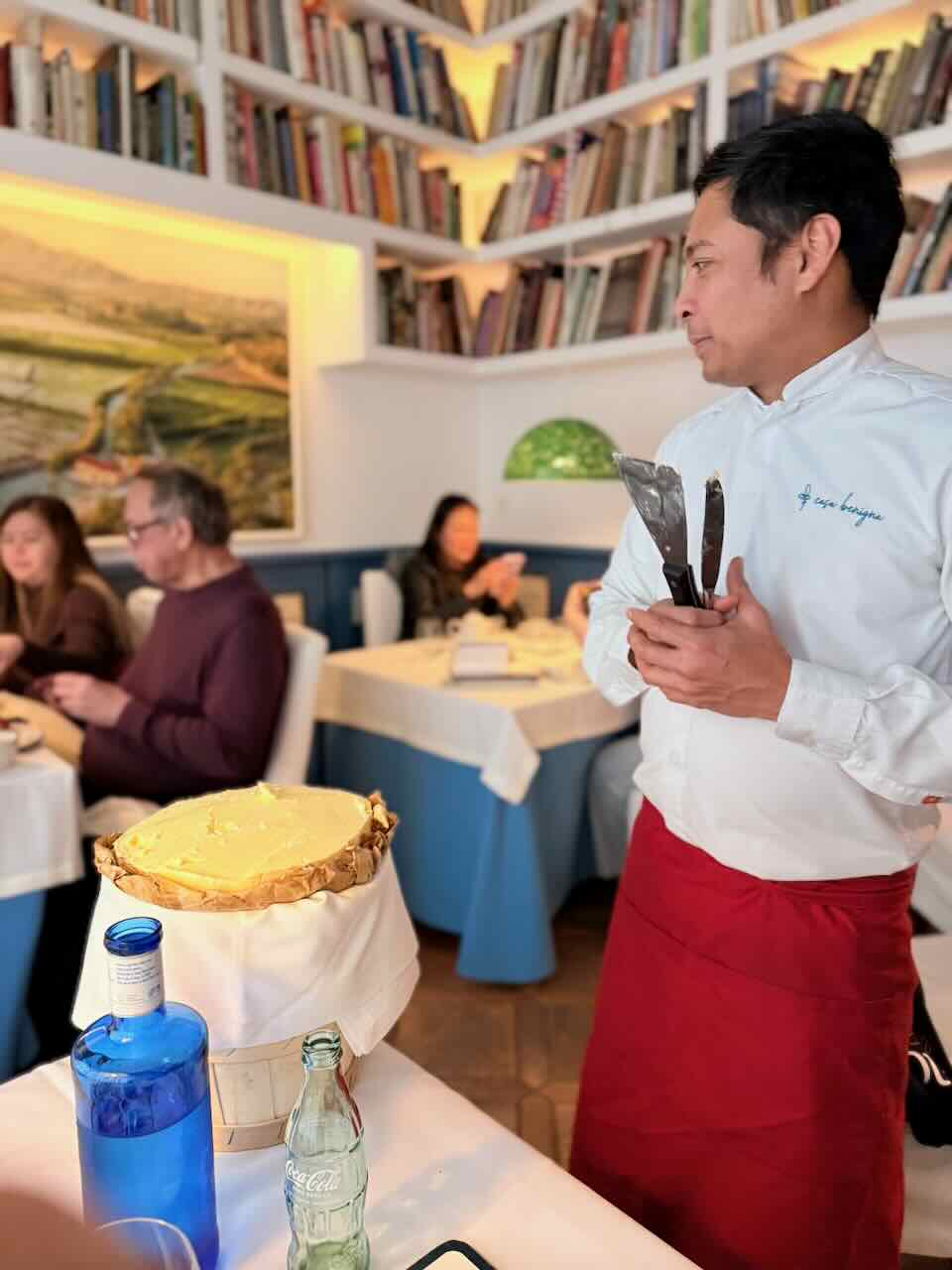
When I returned, as promised, they had a table for me. What a delightful lunch! Their “butter service” was exceptional! In addition to my having seafood paella, they served several extras, including dessert. I almost always have dessert in places like this.
My restaurant bill might have been on the expensive side. That didn’t really matter to me. I practice “Die with Zero,” which doesn’t mean die with ZERO; it simply means create lifelong memories and spend some of your retirement principal before you die and leave it to someone else.
Two for the price of one.
I returned to my hotel and had a “second sleep” overnight for the price of a single hotel room. That’s one of the advantages of checking in at 6 o’clock in the morning and not having to check out until as late 4 p.m. the next day. You get two sleeps for the price of one!
MAD-LHR-LAX.
From Madrid, I hopped over to London, and from there I got a nonstop flight to Los Angeles. Taking a positioning flight to Madrid and experiencing Spain was precisely the right thing for me to do.
Moving around keeps me young.
I had been gone for two weeks. I had an excellent but brief adventure in Doha, Qatar. I spent four nights with three of the best and most active young people I could have met anywhere in the world…in Angola. I would estimate that fewer than 1 in 1,000 tourists, or maybe 10,000 or more, would be able to experience what I did in Angola with these folks. It was a magical, adventuresome trip.
I spent three nights in Ethiopia, with upscale accommodations and a driver. I still communicate with him a month after the trip. I saw and did a lot in my short stay in Ethiopia.
I returned to Senegal after a 15-year absence, made more new friends, and knocked out trackchasing country #93.

Die with Zero.
I have mentioned the concept of “Die with Zero” many times in my newsletter. I only read the book a couple of years ago. However, I think I’ve been living the lifestyle the author advocates for most of my life. I’m happy about that. I’m all about creating memories that last a lifetime. I don’t know that I’ve been as successful as the author recommends with reducing the principle of my lifetime investments, but I’m working on that.

It’s been a great year.
This wrapped up all of the international travel that I will be doing in 2025. I spent 155 days out of the country. I visited more than 20 countries. I took Carol along on as many trips as she would accept my invitations, and she is invited on every trip.
We never know what the future holds. Live every day like it’s your last, right? I’m looking forward to 2026, when you might see me hop on a plane on 24 hours’ notice to fly to a remote, entertaining location. Our world is small, and it seems to be getting smaller.
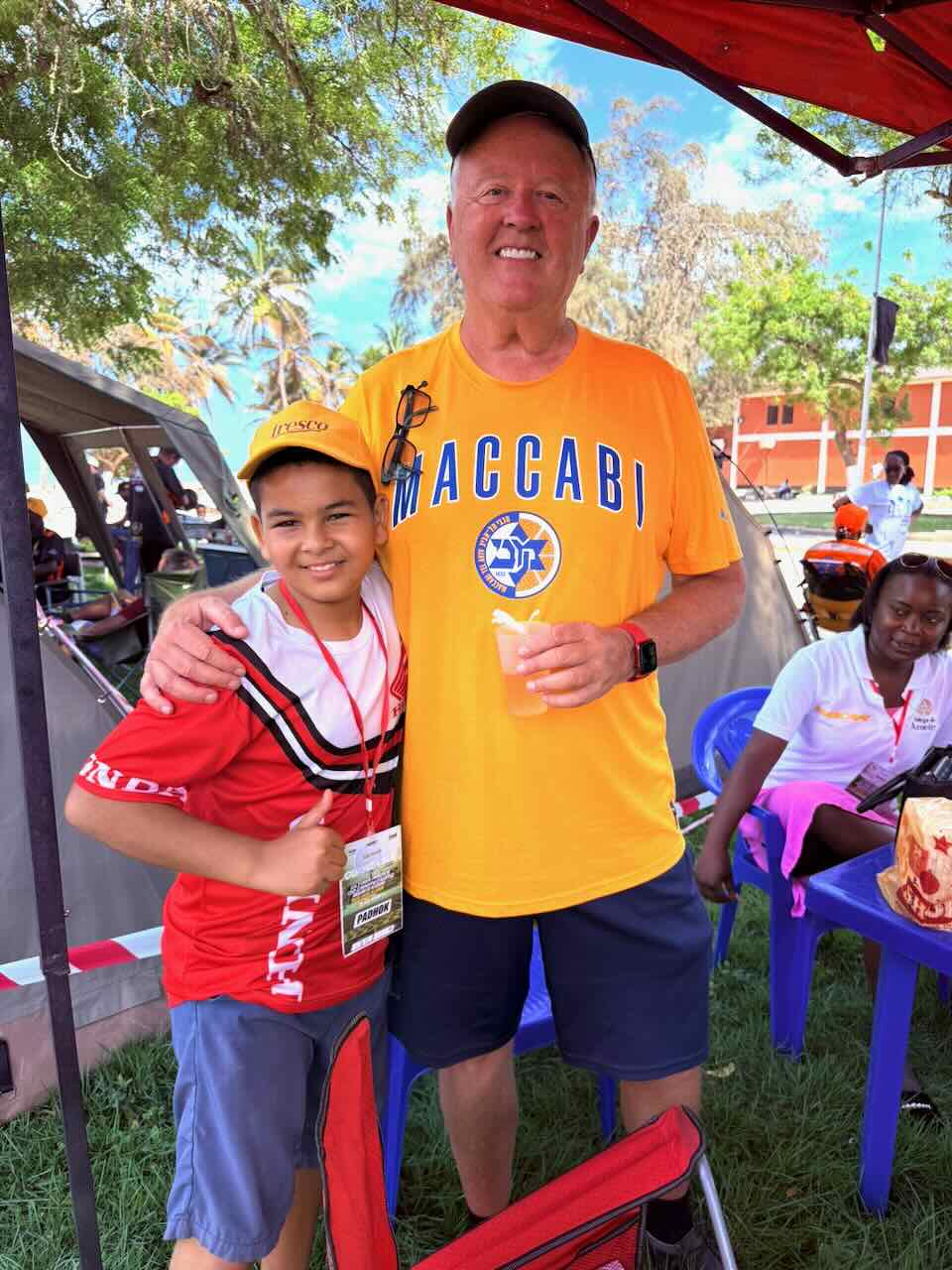
Randy said all of this from Africa.