Greetings from Taft, California
From the travels and adventures of the
“World’s #1 Trackchaser”
Lifetime Track #1,926
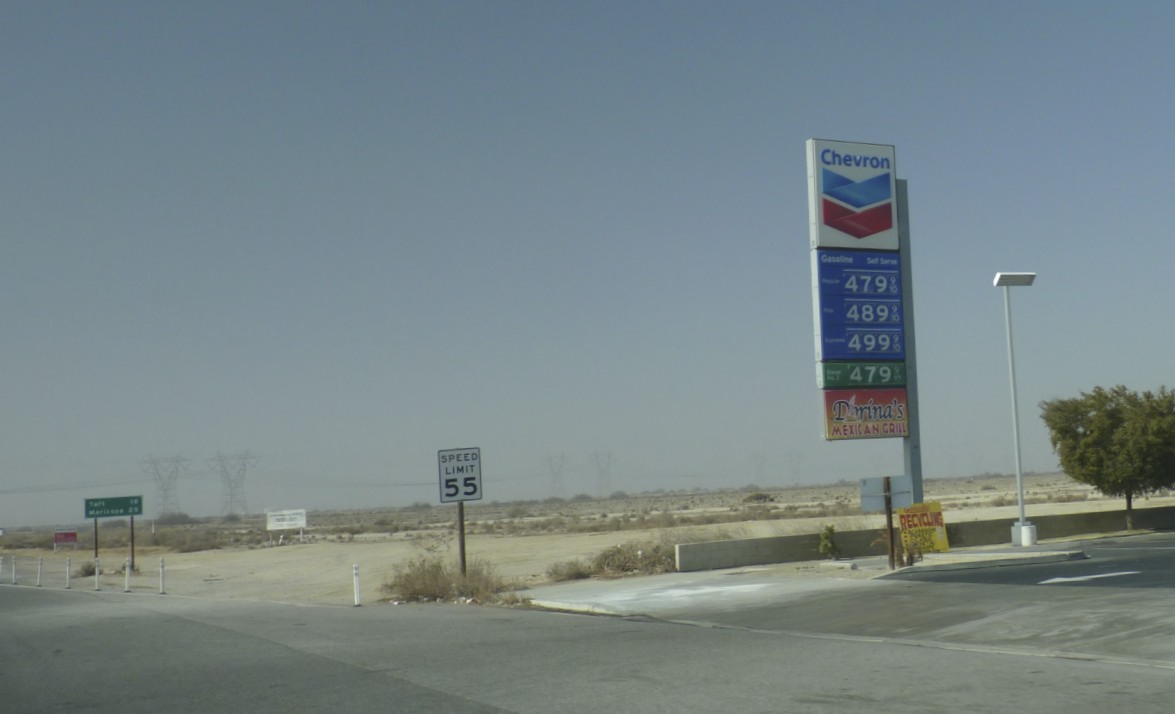
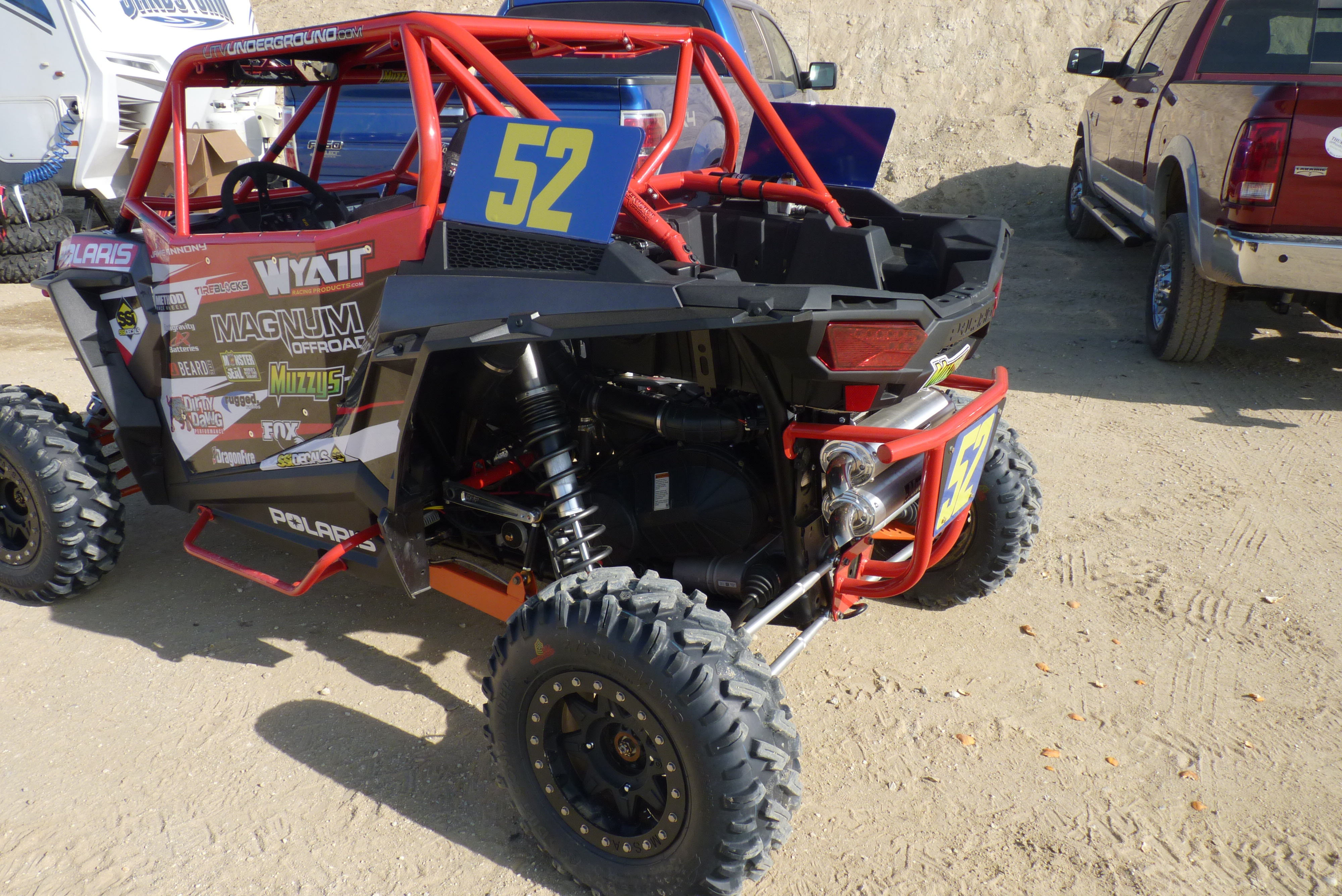
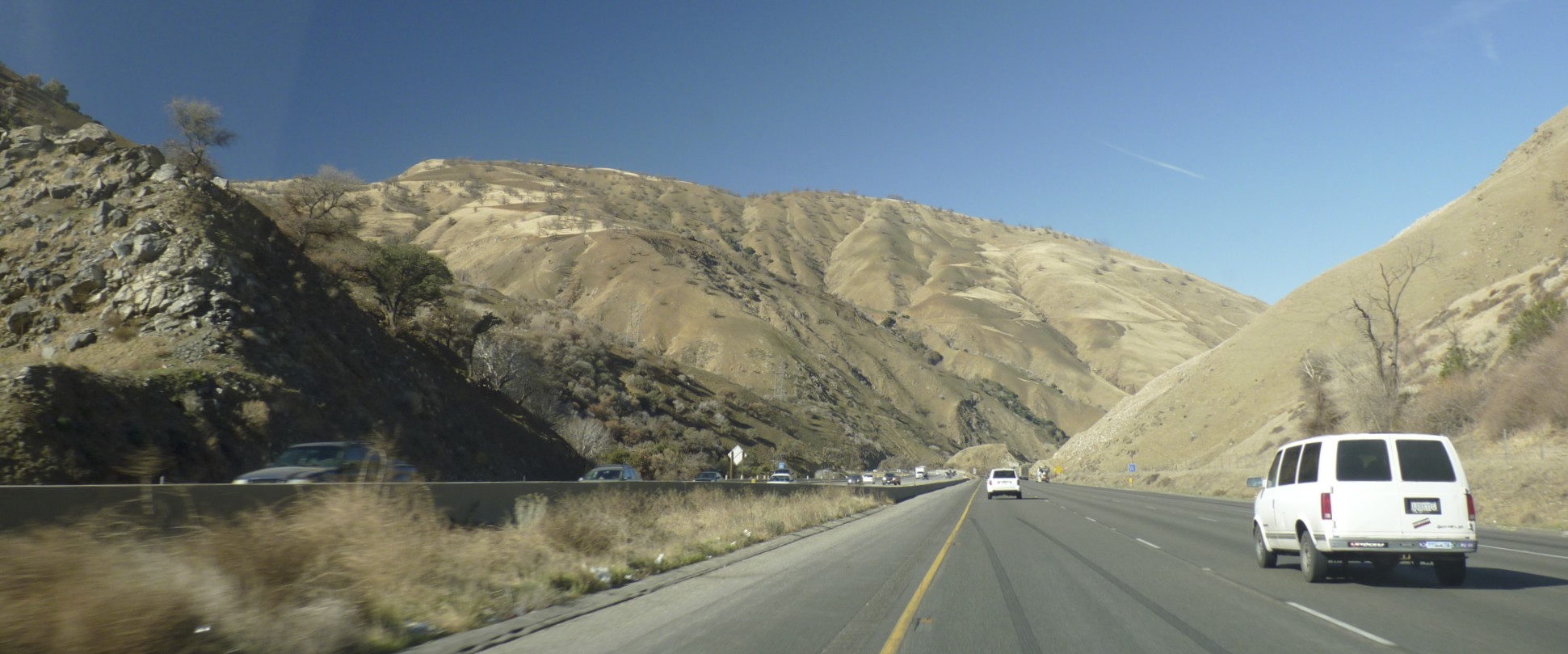
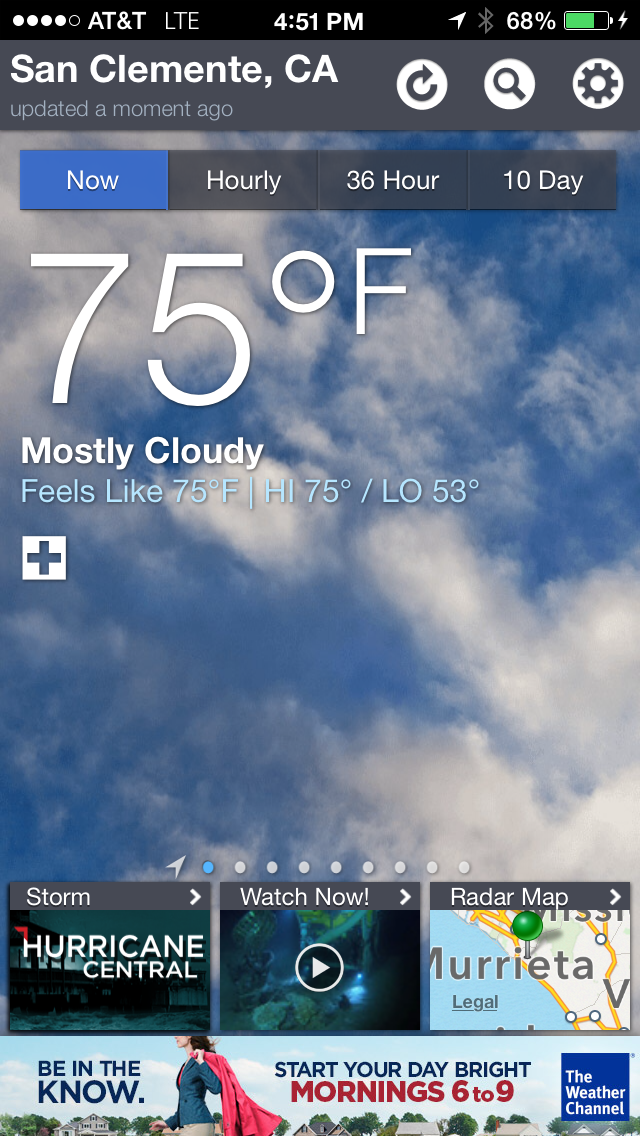
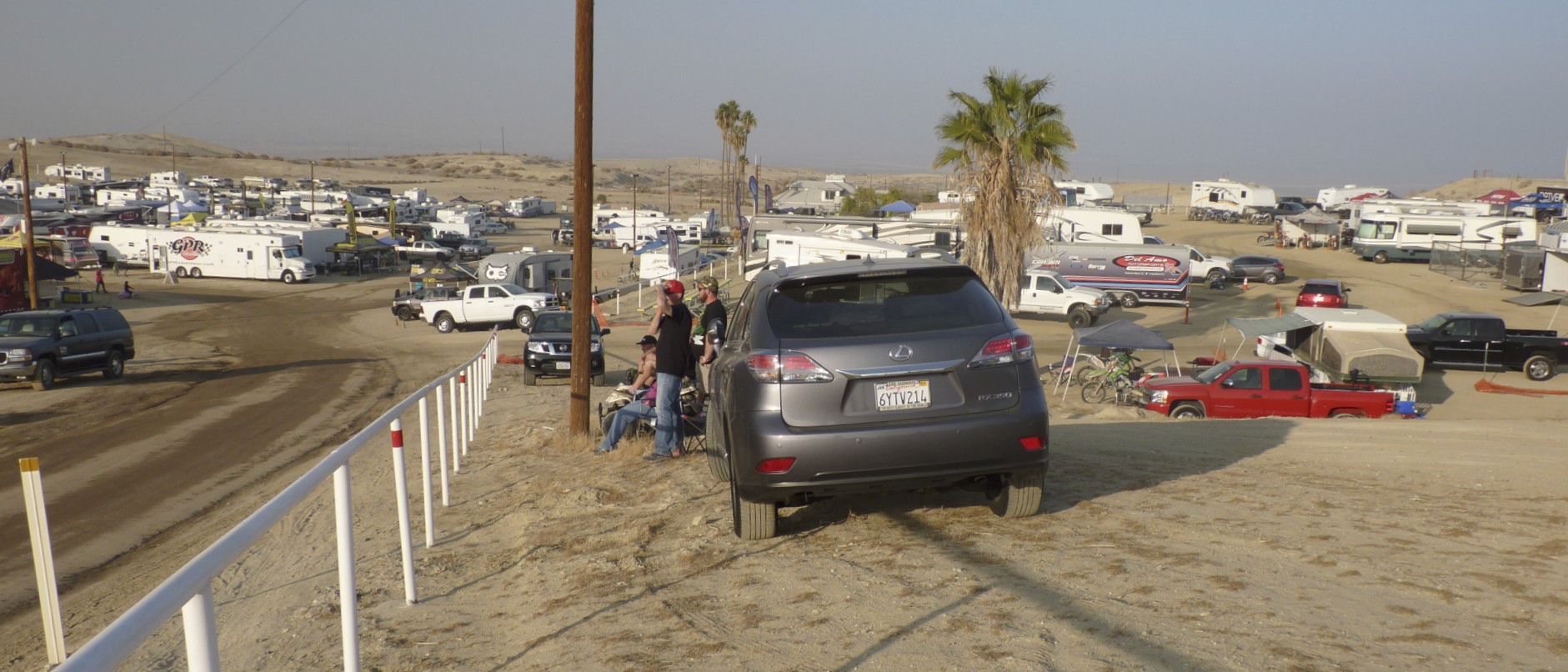
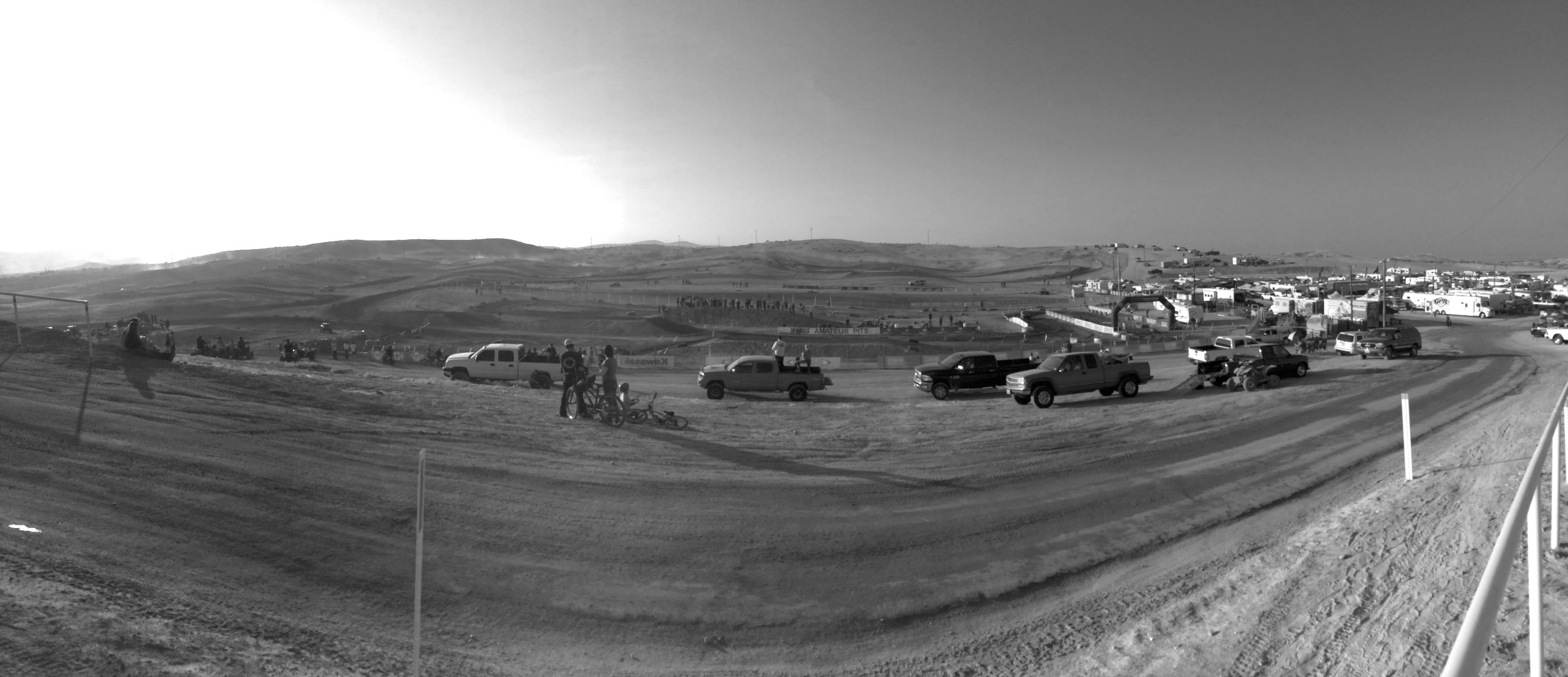
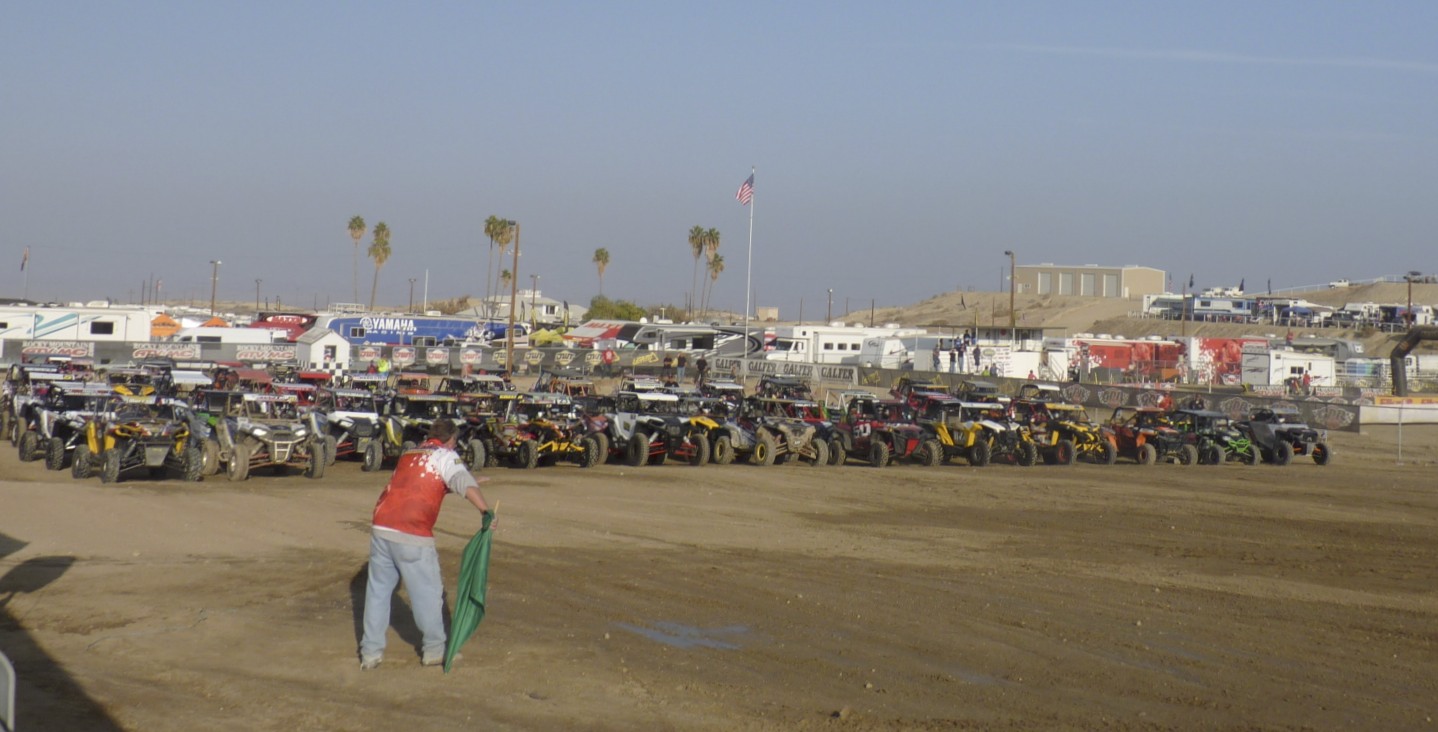
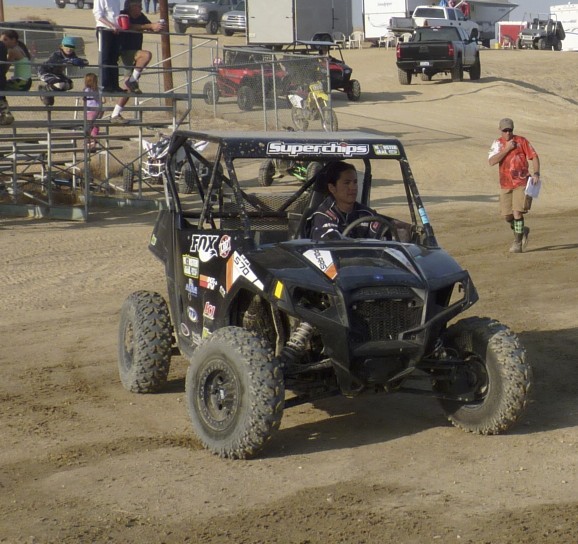
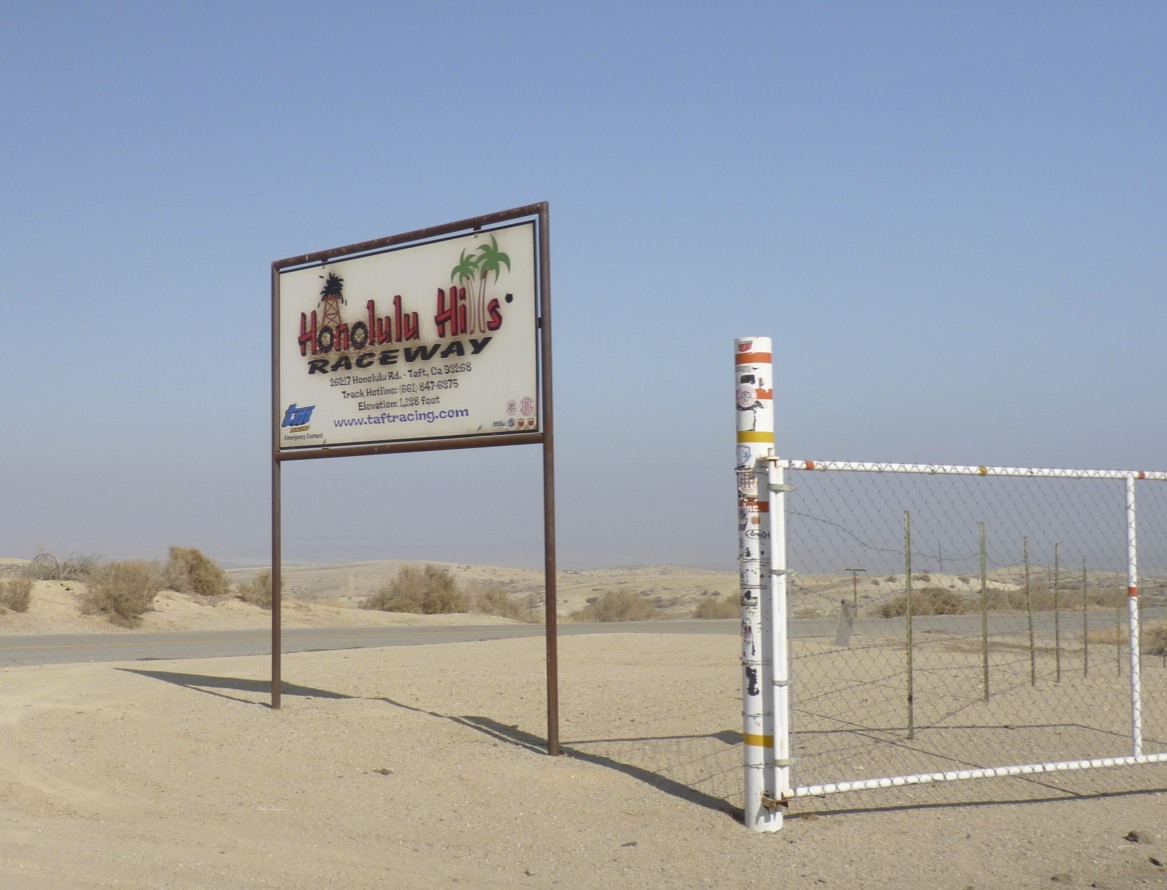
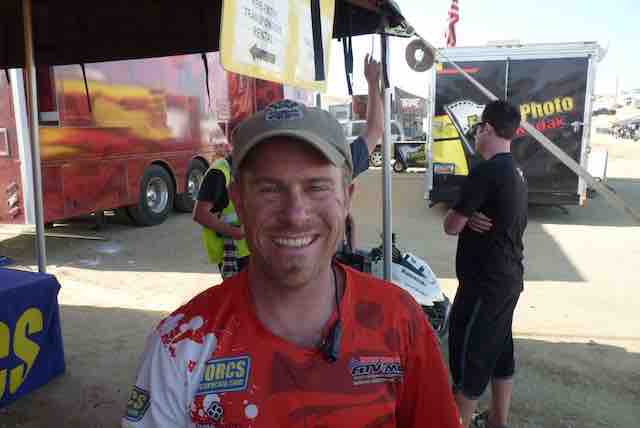
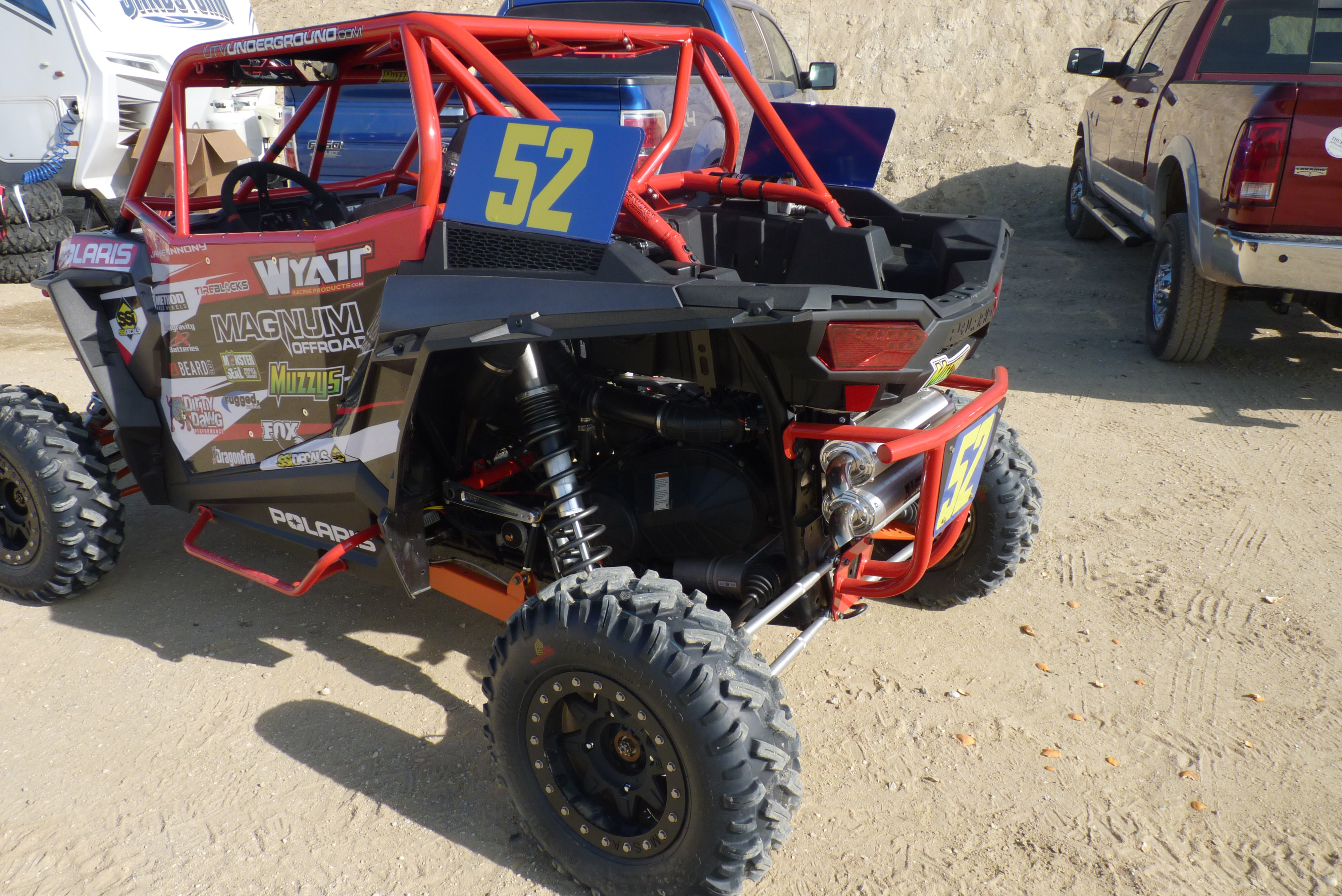
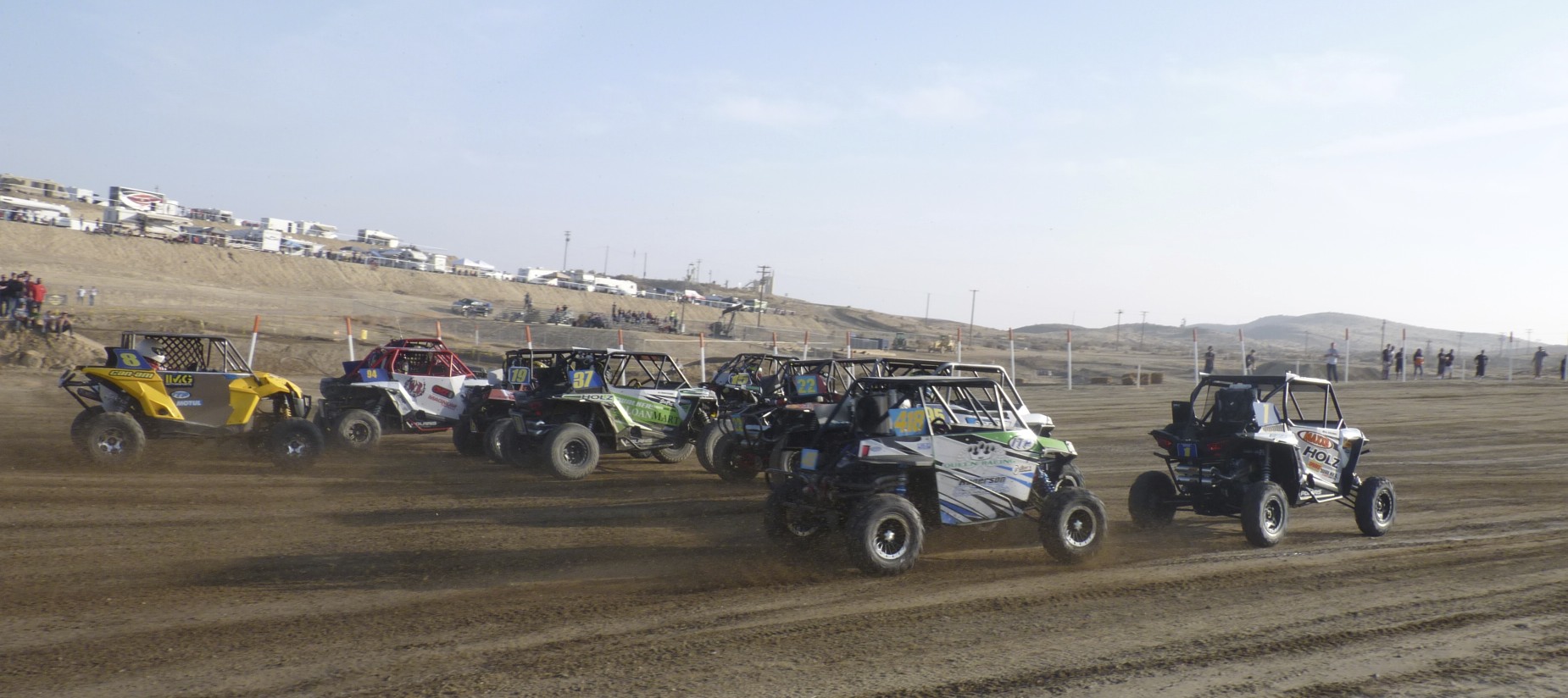
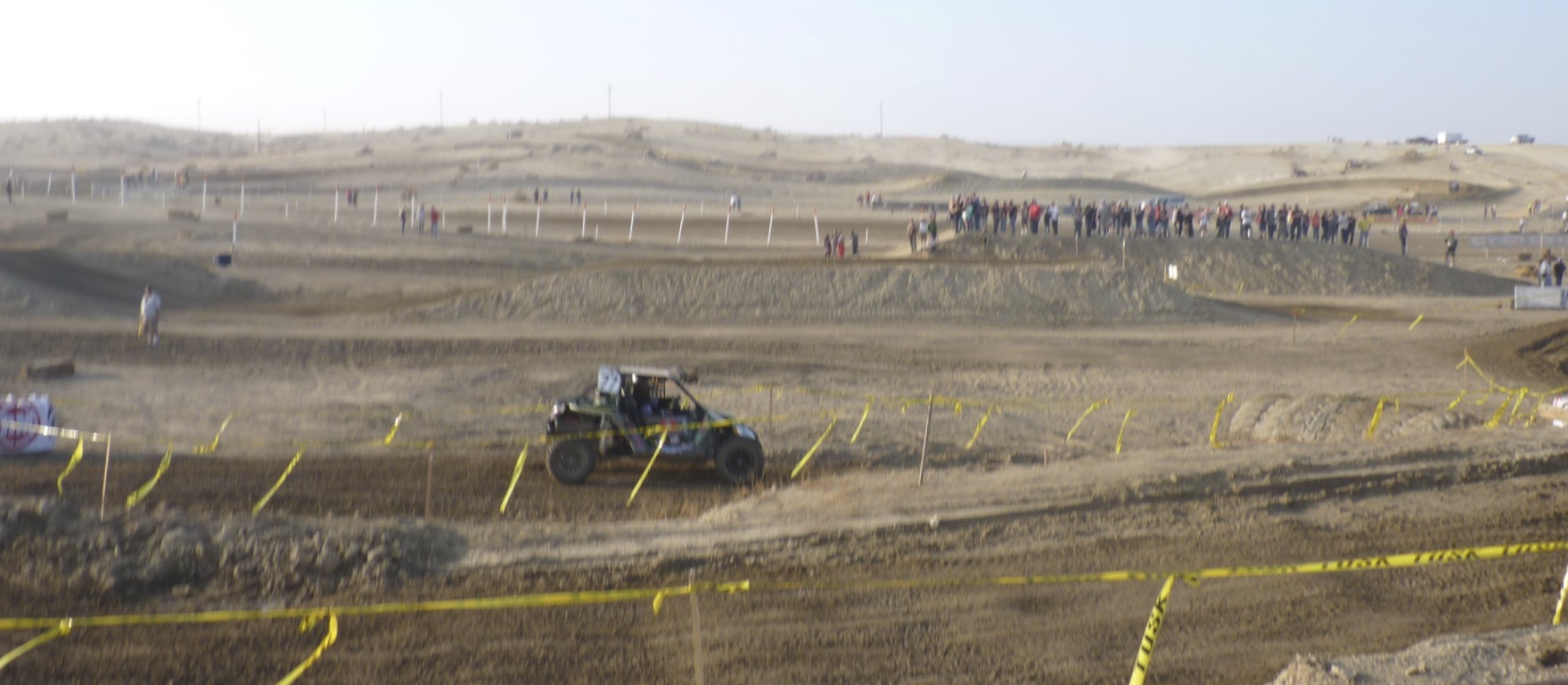
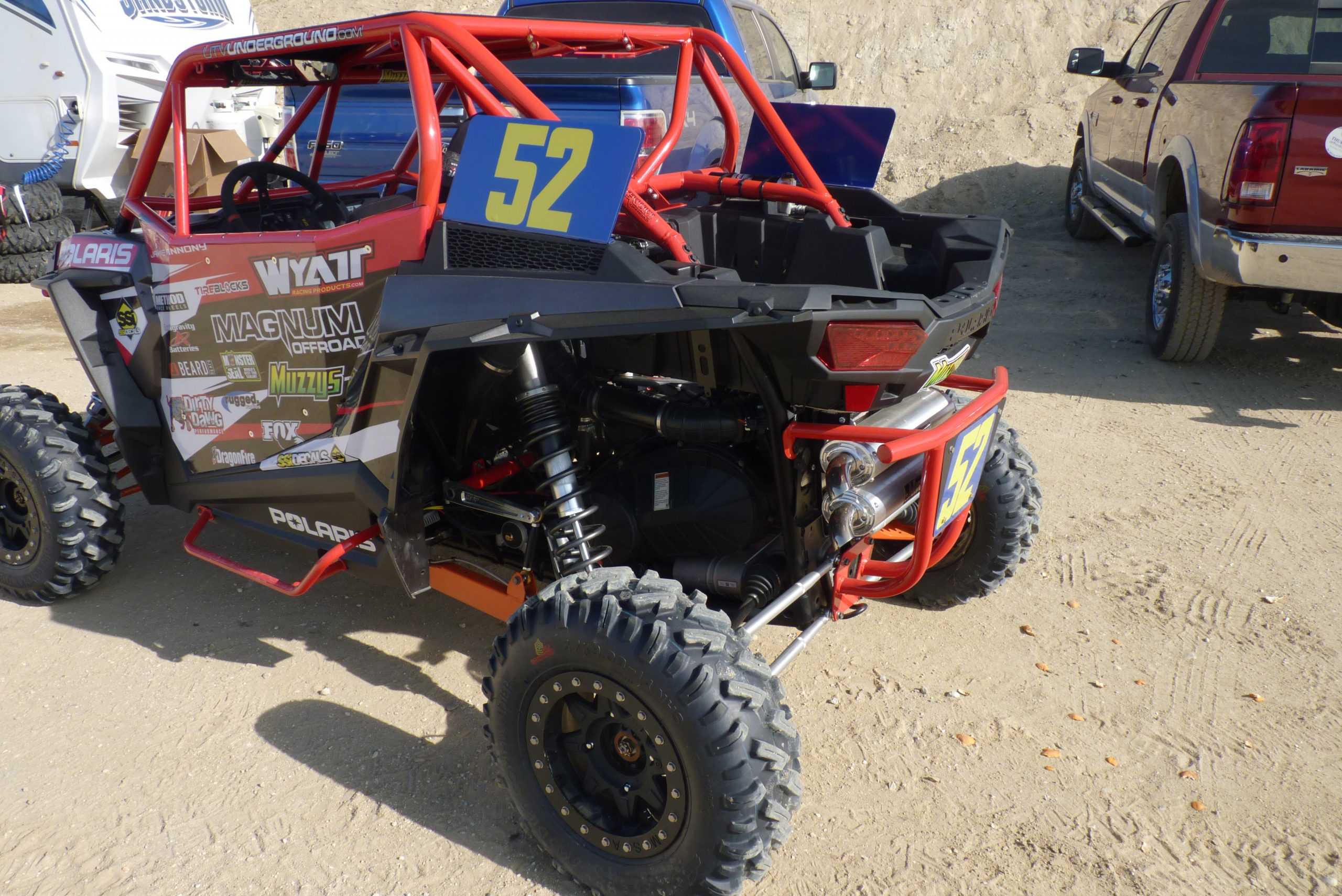
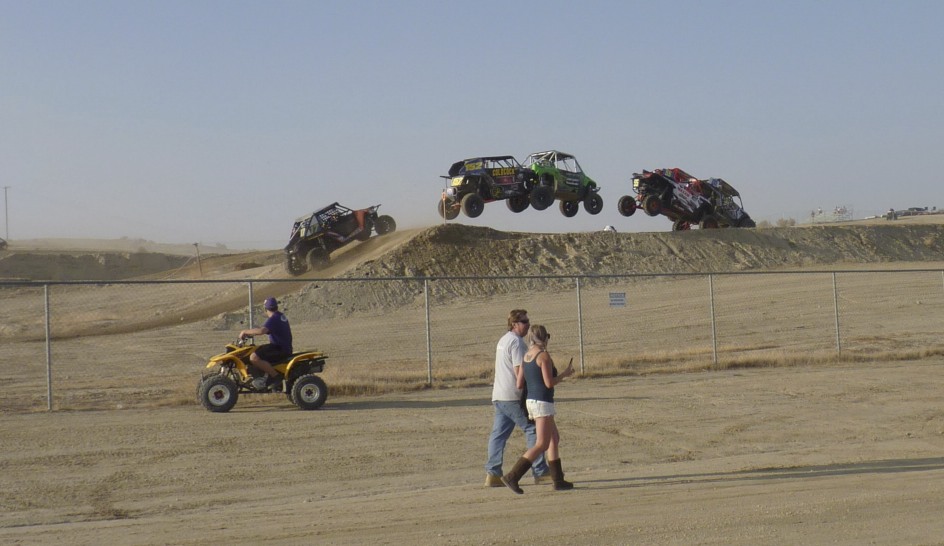
What happened to the off-season?…………more in “The Details”. I don’t like using up (ruining) my stuff…………more in “The Details”. Gas prices…it’s all relative. ………..more in “The Details”. This is a little embarrassing………….more in “Race Review”. What is a UTV vehicle?………….more in “Race Review”. The professionalism exhibited by any class of racing carries no weight with the trackchasing hierarchy. …………more in “Race Review”. This was one long course………..more in “Race Review”. What happened to the off-season? I woke up this morning at home in San Clemente. I spent the day in Taft, California before staying overnight in Portland, Oregon. The next afternoon after spending the day in Junction City, Oregon I returned home to San Clemente, California. This is January. Isn’t that supposed to be part of trackchasing’s “off-season”? Normally January and February are almost exclusively reserved for ice racing. However, with the advent of global warming or whatever you choose to call it ice racing is on the wane and has been for a few years. No freezing temps, no ice. No ice, no ice racing. In California it’s been dry. Everything is brown that isn’t irrigated. It’s not often I can capture a California kart track and a California road course during the first month of the year. If all goes well I will end up seeing six tracks to begin the year and only two will have been on ice. Never ever, I mean never ever again. Although I grew up in Illinois I am not a fan of cold weather. During the middle of this week Carol and I ventured over to Denver, Colorado for three days. Our mission was to visit her 85-year old mother and see our UCLA Bruins play the University of Colorado Buffalos in basketball. UCLA won! We planned to return on Friday. My trackchasing trip was expected to begin on Saturday morning. However, because we were flying standby and you just never know how it’s going to turn out when you’re flying standby I had to lug my trackchasing gear with me on the trip to Denver. We ended up making all of our flights. That knocked the basketball game out of “Trackchasing Tourist Attraction” status. In order to be a TTA the activity has to be after I left the house and before I returned from the trackchasing trip. So, I’m spoiled. Let’s get back to my dislike for cold weather. Denver’s high temps were in the 40s and it didn’t get much colder than the high 20s while we were there. Folks, if it’s less than 60 I don’t like it! I prefer 70-75 during the day with sun and no wind or rain. Am I spoiled by San Clemente’s perfect weather? In a word “Yes”. Even though I got a flu shot this winter I returned home with “flu like” symptoms. Doesn’t anyone ever have “flu” symptoms? I would have loved to have stayed in bed this morning. I really didn’t feel like doing anything. However, I had made a commitment with the track’s promoter to attend this race. There would only be one countable racing class at the Honolulu Hills Raceway this weekend. It was now or never sort of. I don’t like using up my stuff. I would have to drive my own vehicle; the MFunds sponsored Lexus RX 350. I don’t like driving my own car to the races anymore than I like cold weather. What a waste of a valuable resource. It is unusual to be driving on an eight-lane freeway some 50 miles north of Los Angeles and out in the middle of nowhere. I don’t know of anywhere in the country that have a better freeway system that what we have in Southern California. Pretty much no potholes and lots of lanes including miles and miles of carpool lanes. Orange County is a lot better than L.A. County where I live. Although I can pick my spots I am rarely, if ever, in a traffic jam in a locale noted for their traffic. Gas prices…it’s all relative. Gas prices were high out in the rural areas near Bakersfield. At one Chevron station regular gas was listed for $4.79/gallon. I know that many of my foreign readers would steal for gas prices that low. Some of THEIR petrol prices are nearly twice as much. On the other hand I saw gas priced at $2.97 in Tennessee the other day! Honolulu Hills Raceway – Taft, California I am not an expert on the racing I saw today. You would think after seeing racing at nearly 2,000 different tracks I would be an expert on just about every form of motor racing that exists. Not true. Today I was a rookie! I was out in the desert watching motorcycles and ATVs race. Of course you know by now that trackchasing’s founding fathers turned thumbs down on these two classes. They also said no to “flat kart” racing. This is a little embarrassing. I will tell you this. I spend a good deal of time talking to race promoters and drivers. I’m always a little bit embarrassed when I have to (gently) tell them that the class of racing they are so passionate about, i.e., flat karts, motorcycles or ATVs don’t “count” in the world of trackchasing. That line of thinking makes it sound as if those classes “aren’t good enough”. For a group whose leadership frequently criticizes the more elite racing groups, such as country club type road courses, for their perceived exclusionary practices that seems a bit odd. I came for the UTV racing. However, I was not here to see motorcycle or ATV racing. I was at the track to see UTV racing. This kind of sounds as if we are splitting hairs doesn’t it? So what’s a “UTV”? Yes, what is a UTV vehicle? I guess I would say a UTV racer is as close to a dune buggy as it would be to anything else. The wheel base is a little shorter with a UTV. A UTV racer has four wheels, a steering wheel and racing suspension on all four wheels. Some trackchasers maintain that it is “suspension” that makes some racing classes countable. That is not the case. The word “suspension” does not appear in the rules anywhere. Wikipedia describes a UTV aka “Side by Side” machine thusly: “The Side by Side is a small 2-person or 6 person four-wheel driver off-road vehicle, also called UTV (Utility Task Vehicle) or ROV (Recreational Off highway Vehicle). The majority of the side by sides come factory equipped with “ROPS” or roll over protection system. Many of the vehicles also come equipped with hard tops, windshields, and even cab enclosures. The Consumer Product Safety Commission stated in 2009 that “The vehicles may exhibit inadequate lateral stability, undesirable steering characteristics, and inadequate occupant protection during a rollover crash”. According to the CPSC between 2003 and August 2009 116 deaths occurred in ROV/UTV accidents.” Kind of sounds like a sprint car. The track name made it seem as if I were in Hawaii but I wasn’t. Today I had joined a couple hundred racers at a place called “Honolulu Hills Raceway”. We sure weren’t in Hawaii. In fact, there was nothing about this place that reminded me of Hawaii in ANY way. We were in Taft, California a small rural town just outside of Bakersfield. Everything was so dry (California is in a drought) the entire place looked like a dustbowl in Oklahoma from the 30s. Luckily, a water truck constantly watered parts of the track and the access roads in and around the pit area. Taft, with its abundance of oil wells, is not a very scenic locale. I would be waiting for race 8. All of the UTVs on hand today would be competing in race 8. Racing was set to begin at 3:15 p.m. I had arrived three hours earlier. This was give me plenty of time to check things out. Don’t miss the pictures from my paddock tour. It pays to know people. The first person I wanted to meet was Tim Shelman. Tim is the WORCS Director of Operations. I had been in contact him regarding today’s event. Tim was really excited about having a trackchaser (he had never heard of trackchasing – which is not uncommon) attend his racing event. So was I. Following the driver’s meeting Tim and I had a chance to chat for a moment. He clued me in on today’s race plan…including an element that would end up making some of the UTV racing uncountable. That wasn’t good news for my trackchasing but there would still be some countable racing on today’s agenda. That made everything good. I was still learning the ropes at today’s event. There were a large number of UTVs on hand today. I knew there would be several different classes racing but for the most part they all looked the same. Luckily, I ran into one of the UTV competitors in the paddock. He took the time to explain how I could figure out one class from the other. I’m not sure I would have ever figured this out on my own! Each racer had a “car number” on a small piece of metal attached to the race machine. The color of the car number and background color designated what class that racer was competing in. As an example, the “SXS Pro” class carried UCLA colors, blue and gold, on their number plates. Figuring out which racers was in which class would be very important to the “countability” of the Honolulu Hills Raceway. I always learn a lot at the driver’s meeting. At 1 p.m. I showed up for the UTV driver’s meeting. There were about 60 racers in the overall UTV group. I would soon learn that some classes would be countable and some would not. Trackchasing rules have a stipulation that all competitors in any particular race must start at the same time. This is one of several “Randy Rules” that were inserted after I counted a track that the “powers to be” did not want counted. For a group that tries to promote there “inclusion” of all points of view they don’t do very well. Here’s what that rule says in this regard, “Any event where racers start at various intervals rather than simultaneously is not countable.” Welcome to the desert. In the Western part of the U.S. we have our share of desert lands. This is where “desert off-road racing” began. Competitors in these parts would go far out into the desert for their racing. Sometimes an entire “loop” for a racecourse could be 50 miles around. Can you imagine one lap being 50 miles long? That would give new meaning to a “100-lapper”. On these desert race courses the trail is narrow. Sometimes it’s only one-two lanes wide. Desert races can attract 200-300 racers representing a large number of classes. In order to manage this process, often times maybe most times, just a few racers can start the race at the same time. One of the desert off-road races I attended started two racers every 15 seconds as I recall. In about an hour more than 200 racing machines were screaming through the desert for a race that would last for several hours. In situations like this the racer with the fastest elapsed time in his/her class is declared the winner. As I say the powers to be within the trackchasing political community, which is almost exclusively based in the east, wanted no part of this Western based type of racing. Can you imagine that? I was shocked. The professionalism exhibited by any class of racing carries no weight with the trackchasing hierarchy. Desert off-road racing is a very professional sport. It seems most odd to me that the trackchasing rules will allow 2-3 junk cars to race around a homemade track some 50 yards in length at 20-30 M.P.H. Then, at the same time, won’t allow racers who come to the track in semi-trailer haulers and have the latest in racing gear to power their cars. Some even have “chase helicopters” hovering overhead as they race through remote parts of the desert. Many of the desert off-road races are featured on national TV. That’s a pretty professional operation. Beware of the trackchasing political machine. I had seen two of these off-road tracks, submitted them for approval and had them added to my lifetime track totals by the current trackchasing commissioner Will White. Then trackchasing’s “political machine” of trackchasing stepped in. The pressure was applied at the commissioner office level. I received notification that once again the “trackchasing political hierarchy” had an issue. In a “Randy Rule” implemented for all future races, in order for a track to be countable, it would have to have all competitors in a single class starting at the same time. What about these folks? However, races of a similar type in England on oval tracks are allowed to count. In the U.K. many races are handicapped. The fastest cars sometimes start far in the back. I’ve seen races where the fastest cars start as much a ¾ of a lap behind the slower cars. In a race like that the slowest cars cross the start/finish line, then several seconds later the “handicapped” cars cross the start/finish line. Not all competitors in a race like this are starting the race, i.e. crossing the starting line in a fashion consistent with a mass start.. To be clear I am not on a crusade to have the track lists of my friends in the U.K. decimated. I’m just sayin’. So what did the UTV racing look like today? Today there were about 8 UTV classes racing. The racers would begin the race in rows of 12. Compared to just about any other type of racing this was most unusual. There was just one problem. For those classes that had more than 12 competitors each row would start one minute apart. Why would they do this? The course was just too narrow to allow everybody to start at the same time. Of course, this is a judgment call. The Lucas Oil Off-Road series starts every racer at the same time on some fairly narrow courses. This type of start made the classes that used it “uncountable”. Stick with me on this. However, for every dark cloud there seems to be a silver lining. The first class, SXS Pros, had enough racers to fill up nearly three rows. That meant they had some 30-36 racers today. The second class, 1,000, filled most of two rows. These were the most popular classes by far. Because each of the rows of racers took the green flag one minute apart they were racing in an event where the winner would be the driver with the lowest elapsed time. Granted, in their 45 minute race they might end up passing 100 cars or more. That didn’t matter according to the trackchasing rules. Folks, who came up with those rules would rather count three junk cars racing over a 50-yard figure 8 course for ten laps than what I was seeing today. Whatever. I just follow the trackchasing rules to the “T” so that my results can properly be compared to others following the same rules. Now we were getting to the meat in today’s sandwich. However, the next two classes had just three competitors each. How could I tell which classes they were? I used the distinct color combinations from the number plates affixed to the roll bars of each UTV. These two classes each had their own row. I couldn’t say for sure what the name of these classes were. The official track itinerary listed the next four adult classes as “Unlimited, Prod 850, 700 and 600”. I think those names were derived from the racer’s engine size. Actually one of those four classes had just one competitor. He took off in his own “row” and was off to the races. Of course his class would not be countable since there was only one racer “competing”. After seeing the drivers pull into the starting grid area I was very comfortable they were all “adults”, i.e. folks greater than 18 years of age. So what WERE the countable classes today? The two countable classes were either “Unlimited, Prod 850, 700 or 600”! Of course I have video and photos to confirm what I saw. Each of these two countable classes started their own race, with three racers each at the same time. They would race for 45 minutes plus the remainder of the existing lap. That made the races for those classes countable in the somewhat convoluted manner in which the trackchasing rules are written. This was one long course. The entire course was SEVEN MILES long, one of the longest tracks I had ever observed. I was told the top speed over the course might be 75 M.P.H. or so. The average speed would be just 35 M.P.H. approximately. The course had lots of areas/jumps etc. where the speed would be about 5 M.P.H. To be clear I would not be able to see most of the seven-mile course. However, I was able to see several “table-top” jumps. With these jumps the competitors commonly flew 100 feet in the air before coming back to the ground. That is always very exciting. The group that sanctions these races, WORSC, has several events all over the Far West. I’ll have to be careful to confirm in whatever fashion possible that I will be seeing “trackchasing countable” racing as I did today before making a commitment to see more of their events. Nevertheless, I had a good time today. This was not my “usual cup of tea”. However, the number and diversity of racers confirmed the passion these people have for their sport. In a way it’s too bad this type of racing is frowned upon by the current trackchasing rules. Seeing around 60 UTVs battling each other for 45 minutes over a unique and diverse seven-mile course certainly provides a lot more side by side racing than the aforementioned junk car races that now seem to dominate many trackchasers agendas (including mine). State COMPARISONS California The Golden state Today I was seeing my 126th different track in the Golden state, yes the Golden state. That’s a far cry for the state’s leader, Gary Jacobs. Gary, now deceased has seen racing at 149 tracks in California. I’m closing in somewhat on Gary but there probably isn’t going to be enough tracks or time to ever catch him. Thanks for reading about my trackchasing, Randy Lewis World’s #1 Trackchaser Peoria Old Timers Racing Club (P.O.R.C.) Hall of Fame Member California sayings: Dude…that’s rad!
QUICK FACTS PERSONAL CAR San Clemente, CA Taft, CA TRACK ADMISSION PRICES: Honolulu Hills Raceway – Zero LIFETIME TRACKCHASER COMPARISONS The three most important trackchasing comparisons to me are: Total lifetime tracks seen Total “trackchasing countries” seen Lifetime National Geographic Diversity results Total Lifetime Tracks There are no trackchasers currently within 375 tracks of my lifetime total. Don’t blame me. 1. Randy Lewis, San Clemente, California – 1,926 Total Trackchasing Countries There are no trackchasers currently within 10 countries of my lifetime total. 1. Randy Lewis, San Clemente, California – 67 Current lifetime National Geographic Diversity results 1. Randy Lewis, San Clemente, California – 4.96 That’s all folks! Official end of the RLR – Randy Lewis Racing Trackchaser Report